






The Dhaniya Price Shock
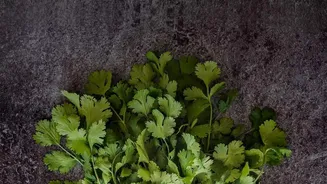
Across India, households are feeling a pinch from an unexpected source: the humble coriander leaf. Typically a low-cost garnish, fresh dhaniya has seen its price skyrocket, in some cases crossing the Rs 200 per kilogram mark. At major wholesale markets
like Delhi's Azadpur mandi, prices have surged to levels far above the seasonal norm. Traders there note that while the typical wholesale price at this time of year is around Rs 25 per kg, rates recently shot up to Rs 175 per kg and higher. This dramatic increase has transformed coriander from a routine kitchen staple into a carefully considered purchase, leaving consumers wondering why prices are spiking instead of falling during the rainy season.
When Good Rains Go Bad
The core of the problem is a case of 'too much of a good thing'. While the monsoon is vital for agriculture, the recent spell has been marked by intense, heavy downpours in key growing regions rather than steady, nourishing showers. Major suppliers of fresh coriander, particularly the region around Nashik in Maharashtra, have been hit hard. Excessive rainfall in late July and early August led to waterlogged fields, damaging the delicate, leafy standing crops. Unlike hardier vegetables, fresh coriander is highly susceptible to rot and damage from flooding, meaning a significant portion of the expected harvest has been lost directly to the severe weather.
A Disrupted Supply Chain
The damage to crops is only half the story. The intense monsoon has also severely disrupted transportation links. Getting produce from farms to urban markets is a critical part of the supply chain, and it is particularly vulnerable during the monsoon. Flooded roads and weather-related transport delays mean that even the limited amount of coriander that could be harvested has struggled to reach major consumption centres like Delhi. Perishable items like fresh coriander have a short shelf life, and any delay in transit leads to spoilage and further reduces the available supply. This bottleneck between the farm and the market is a major factor compounding the shortage and driving up prices.
Fresh Leaves vs. Dried Seeds
It is important for consumers and traders to distinguish between two different coriander products: the fresh leaves (dhaniya patti) and the dried seeds (dhaniya). The current, dramatic price spike is affecting the highly perishable fresh leaves. The market for dried coriander seeds, a staple spice in every Indian kitchen, operates on a completely different timeline and set of supply dynamics. Coriander for seed is a rabi crop, sown in winter months like October and November and harvested around February and March. Its price is influenced by factors from the previous winter's sowing area, the quality of that harvest, and the level of carry-over stocks from earlier years, making it less susceptible to the immediate impact of monsoon rains.
A Pattern of Weather Volatility
The surge in coriander prices is not an isolated event but rather a symptom of a broader trend of erratic weather patterns impacting India's food basket. The unusually complicated monsoon this year has affected the development and arrival of various crops, leading to price volatility in other kitchen essentials like ginger and garlic. This creates a complex inflationary environment where the pressure isn't coming from the usual suspects like onions or potatoes, but from the smaller, everyday ingredients that are essential to Indian cooking. It highlights the increasing vulnerability of our food supply to climate unpredictability, where the timing and intensity of rainfall have become just as important as the total volume.