






The Rise of the Midnight Shopper
Once an anomaly, late-night e-commerce has exploded into a significant trend, especially in India. Recent data highlights a massive 60% surge in online payment volumes for orders placed between 10 PM and 4 AM over the past year. This isn't just sleepless
scrolling; it's a fundamental shift in consumer behaviour. Young consumers, particularly Gen Z and millennials, are at the forefront of this nocturnal shopping spree. For them, the digital marketplace never closes, and the quiet hours of the night offer a unique, uninterrupted time to browse and buy. This trend is prominent enough that retailers are taking notice, with some states even allowing establishments to operate 24/7 to cater to this growing demand for round-the-clock commerce.
The Psychology of a Late-Night Cart
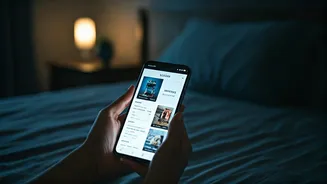
So, what's driving this behaviour? A key factor is a phenomenon known as "revenge bedtime procrastination." After a long day of work, study, and other obligations where personal time is scarce, young people are 'reclaiming' their hours by delaying sleep. This stolen time is often spent on leisure activities, including online shopping, which provides a sense of control and a small dose of happiness. At night, our decision-making faculties are fatigued, and willpower is lower, making us more susceptible to impulse buys. Shopping becomes a form of stress relief or a way to combat boredom, providing a dopamine hit with every click of the 'buy now' button, often even before the package arrives.
Technology as an Enabler
This trend wouldn't be possible without the technology that puts a global mall in everyone's pocket. Smartphones are the primary vehicle, with a majority of late-night purchases happening on mobile devices. Social media platforms like Instagram and TikTok are no longer just for connection; they are powerful e-commerce engines. Influencer recommendations and hyper-targeted ads follow users around the clock, creating a seamless and often irresistible path from discovery to purchase. Features like one-click checkout and 'Buy Now, Pay Later' (BNPL) services further reduce the friction, making it incredibly easy to complete a purchase in a tired, impulsive state.
What's in the 3 AM Cart?
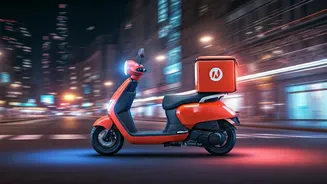
The virtual shopping bags of these night owls are filled with a distinct mix of products. Beauty and personal care items are incredibly popular, with a reported 60% increase in late-night purchases for products like lipsticks, serums, and sheet masks. The demand for Korean beauty products, for example, has soared. Fashion and accessories are also top categories for impulsive late-night buys. Beyond personal items, quick-commerce services for food and beverages see a massive spike. Brands like Zomato, Swiggy Instamart, and Zepto are major beneficiaries of this trend, delivering snacks and essentials to fuel late-night study sessions, parties, or simple cravings.
The Business of an Always-On Economy
Companies are rapidly adapting to this 24/7 consumer. Retailers are strategically launching their best deals and flash sales at midnight to capture this engaged audience. The rise of this trend has put pressure on logistics and delivery services to offer faster, more flexible options, eroding the old cut-off times for next-day delivery. For e-commerce brands, optimising for mobile is no longer optional, and creating a smooth, quick checkout process is critical to converting a sleepy, low-patience shopper. This shift signifies a broader move towards an always-on economy, where business hours are becoming a relic of the past.
The Hidden Costs of Midnight Purchases
While convenient, this normalisation of late-night shopping isn't without its downsides. The same factors that make it appealing—lowered inhibitions and decision fatigue—can lead to impulse buys and subsequent buyer's remorse. Studies show that late-night shoppers often spend more and have higher rates of returning items. There's also the financial strain from unplanned spending, which can create new stress. Furthermore, the increased screen time right before bed can disrupt sleep patterns and negatively impact overall mental and physical health, creating a cycle of fatigue and regret.