



Meet the Ancient Superfood: Ragi
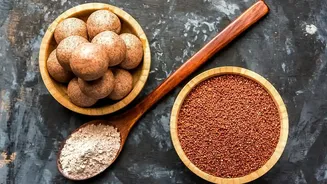
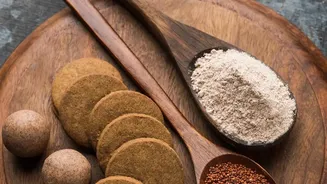
Finger millet, known across India as ragi or nachni, is a nutrient-dense ancient grain that has been a dietary staple for centuries. Unlike all-purpose flour (maida), which is heavily refined, ragi flour is made by grinding the whole grain, preserving
its impressive nutritional profile. It boasts a naturally earthy, slightly nutty flavour that adds a wonderful depth to baked goods, especially those with rich profiles like chocolate. Being naturally gluten-free, it has also become a popular choice for those with gluten sensitivity or celiac disease.
The Nutritional Upgrade
The primary reason to make the switch is health. Ragi is a nutritional powerhouse compared to refined wheat flour. It is renowned for being one of the best plant-based sources of calcium, crucial for bone health. It is also packed with iron, which can help combat anaemia, and dietary fibre. This high fibre content aids digestion, promotes a feeling of fullness to help with weight management, and helps in the slow release of sugar into the bloodstream, making it a favourable choice for managing blood sugar levels. In contrast, refined flour is low in fibre and essential nutrients.
Embracing a New Texture and Taste
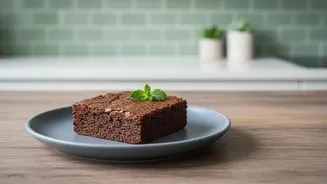
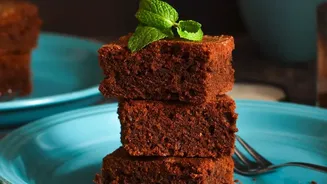
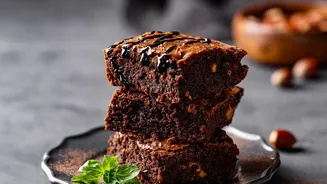
Using ragi flour will change your brownies, and that’s a good thing. It creates a denser, fudgier, and more moist texture than you would get with all-purpose flour. The flavour profile is also elevated; ragi’s earthy, malty notes pair exceptionally well with the deep, rich taste of dark chocolate, creating a more complex and satisfying dessert. Some bakers even find that ragi enhances the chocolate flavour, making it more pronounced. Don't expect a light, cakey brownie; instead, look forward to a decadent, deeply satisfying treat.
Tips for the Perfect Ragi Brownie
Baking with ragi is simple, but a few tips will ensure success. First, because it's gluten-free, ragi doesn't have the same binding properties as wheat flour. For your first attempt, you can try substituting 30-50% of the all-purpose flour with ragi flour to get accustomed to the texture. For a fully gluten-free version, the recipe will need good binders like eggs, yoghurt, or flax eggs. Always sift your ragi flour to avoid lumps and ensure a smoother batter. Ragi flour can absorb more moisture, so you might need to add a splash of extra milk or yoghurt to your batter to achieve the right consistency. Finally, be careful not to overbake; ragi brownies are best when they are slightly underdone in the centre, as they will continue to set as they cool.
A Simple Ragi Brownie Recipe to Start
Ready to try it? Here is a foundational recipe. Preheat your oven to 180°C. In a bowl, melt 100g of dark chocolate with 10g of butter. In a separate bowl, whisk 2 large eggs with 80g of jaggery powder or brown sugar until creamy. Slowly add the melted chocolate mixture to the eggs, whisking continuously. Sieve and fold in 50g of ragi flour, 1.5 tablespoons of cocoa powder, and a pinch of baking powder until just combined—do not overmix. Fold in a handful of chopped walnuts or chocolate chunks. Pour the batter into a lined 5-inch square tin and bake for 20-25 minutes, or until a toothpick inserted comes out with moist crumbs. Let it cool completely before slicing to allow it to set into its perfectly fudgy state.