





In our bustling cities, a secure water supply is easy to take for granted until the taps run dry. While we often look to dams and pipelines for answers, a crucial part of the solution is hiding in plain sight: our local lakes and ponds.
The Hidden Connection Below Our Feet
Think of a city's
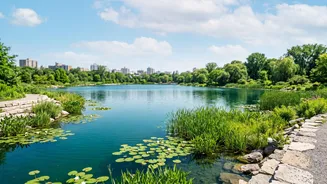
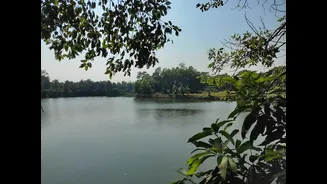
lakes, ponds, and wetlands as nature's own water tanks. When it rains, these water bodies collect the runoff. But their job doesn't stop there. Beneath the surface, a slow and steady process called infiltration occurs. Water gradually seeps from the bed of the lake or pond downwards through layers of soil and rock. This process, known as groundwater recharge, is how underground aquifers get replenished. An aquifer is a natural, underground layer of water-bearing rock or sediment, and the top level of this water is called the groundwater table. In essence, surface water bodies act like sponges, holding rainwater and allowing it to percolate into the ground to top up these vital subterranean reservoirs.
How Urbanisation Breaks the Chain
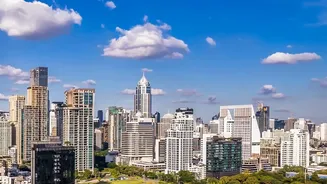
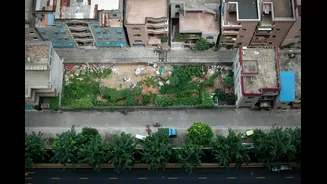
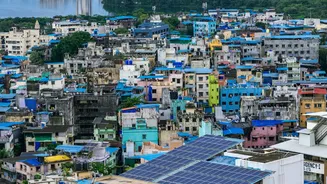
Modern city life, with its concrete jungles of roads, buildings, and paved surfaces, creates a major problem. These materials are 'impermeable', meaning they don't allow water to pass through. When rain falls on a city, instead of soaking into the ground, it hits these hard surfaces and becomes rapid runoff, overwhelming storm drains and often causing localised flooding. This process prevents the natural recharge of groundwater. Furthermore, rapid and often unplanned urban expansion has led to the encroachment and complete disappearance of many traditional water bodies. They are either filled in for construction or become dumping grounds for waste, destroying their ability to hold water and recharge the aquifers below. This combination of sealing the ground and shrinking our natural sponges severely depletes our underground water reserves.
Why Falling Groundwater Levels Matter to You
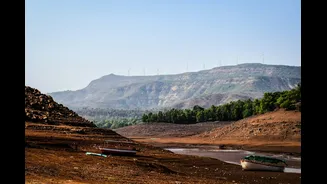
A falling groundwater table isn't some abstract environmental issue; it has direct consequences for city residents. Many households, especially in areas with intermittent municipal supply, depend on borewells that tap into this very groundwater. As the water table drops, these wells can run dry, forcing residents to rely on expensive private water tankers. Declining groundwater levels are a primary factor in the water scarcity faced by many Indian cities. Beyond water shortages, severe groundwater depletion can lead to land subsidence, a phenomenon where the ground level sinks, potentially damaging buildings and infrastructure. It also affects the health of urban green spaces and the small ecosystems that depend on this water source.
The Ripple Effect of Protection
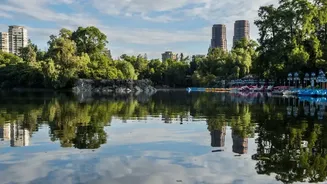
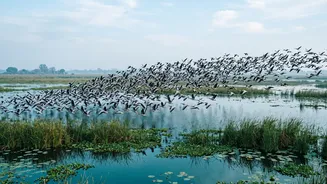
Protecting and rejuvenating urban water bodies offers a cascade of benefits beyond just water security. By acting as large holding areas for rainwater, healthy lakes and ponds are incredibly effective at mitigating urban floods. During heavy downpours, they absorb the excess runoff that would otherwise flood streets and homes. These water bodies also act as natural filters, trapping pollutants and improving water quality before it seeps into the ground. Moreover, they create vital habitats for birds and insects, improve the local microclimate by cooling the surrounding areas, and provide essential green recreational spaces for communities, boosting both biodiversity and residents' well-being.
From Policy to People Power
Thankfully, the importance of these urban oases is being recognised. Initiatives like the National Aquifer Mapping and Management (NAQUIM) programme aim to scientifically manage groundwater resources. Cities are implementing policies that include mandating rainwater harvesting systems in new buildings, which directs rooftop rainwater into the ground. Active rejuvenation projects involve desilting lake beds to increase their water-holding capacity, clearing encroachments, and creating 'green infrastructure' like permeable pavements and rain gardens that allow water to soak into the earth. Community involvement is just as critical. Citizen groups across the country have played a pivotal role in cleaning and protecting their local lakes, proving that collective action can restore these vital urban lifelines.