





Why You Need a Fridge Agreement
Before moving in, or as soon as issues arise, sitting down to create a simple fridge agreement is one of the most proactive steps you can take for a peaceful home life. This isn't about being petty; it's about showing mutual respect and preventing the small
annoyances that build into major resentments. Establishing clear, agreed-upon rules minimizes misunderstandings, reduces food waste, and ensures everyone feels comfortable and respected in the shared kitchen. A quick conversation can prevent weeks of passive-aggressive notes and silent frustration. The goal is to set expectations upfront so that daily kitchen interactions are smooth and conflict-free.
Divide and Conquer the Space
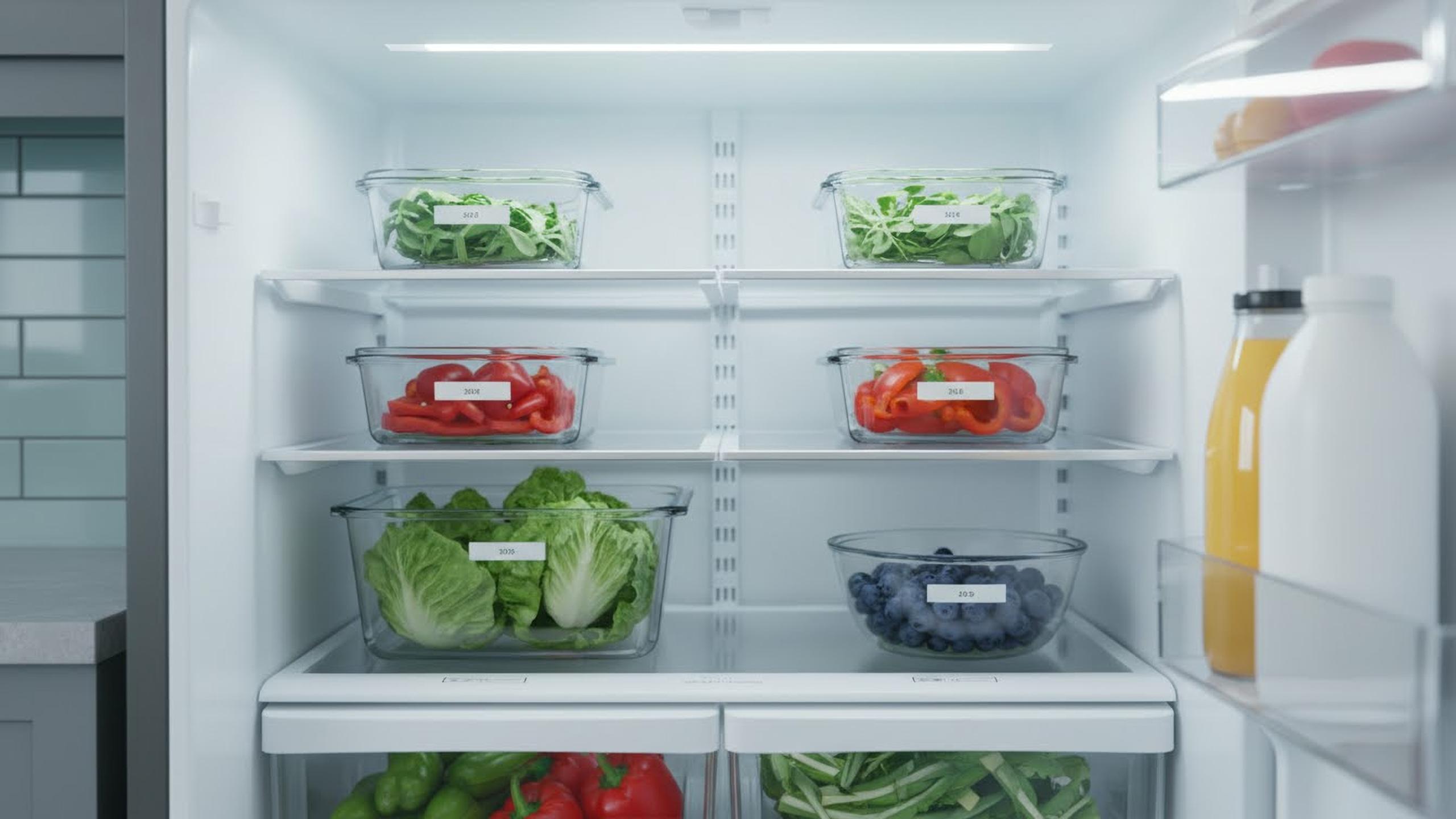
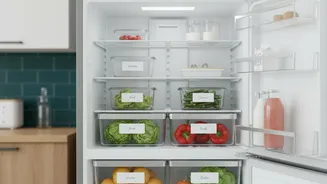
The foundation of any good fridge treaty is a fair division of territory. The most common and effective method is to assign each roommate their own shelf or designated section. If there are two of you, splitting the fridge vertically down the middle can work. For three or more, assigning a specific shelf to each person is often the clearest approach. This strategy immediately eliminates confusion about whose items are where and helps prevent one person from unintentionally taking over the entire space. Don't forget about the crisper drawers and freezer; these should also be divided as equitably as possible. For smaller or awkwardly shaped refrigerators, using labeled bins for each person’s items can create order out of chaos.
The 'Communal Zone' Compromise
Not everything needs to be strictly segregated. To avoid buying three separate bottles of ketchup, designate a specific area for shared items. The refrigerator door is a natural choice for communal condiments, milk, butter, and other staples you all agree to share. This approach saves space and money. To manage this effectively, keep a running shopping list on the fridge itself. When an item is running low, the person who finishes it writes it down, and you can establish a rotating system for who buys the shared groceries each week. This simple system ensures fairness and keeps essential items stocked.
The Unspoken Rules (Made Spoken)
Some of the biggest fridge-related pet peeves come from unstated expectations. Your agreement should make these explicit. The most important rule: if you didn't buy it and it's not in the communal zone, do not eat it without asking. This rule is non-negotiable. Another crucial point is to be mindful of the space you're using. Avoid buying in bulk if it means your groceries will crowd out your roommates' items. Everyone is responsible for their own food, which includes not letting it become a forgotten, mouldy mess in the back of a shelf. Promptly throwing out your own expired food is a basic courtesy that keeps the fridge clean and usable for everyone.
The Leftover Lifecycle
Leftovers are a primary source of fridge clutter and mysterious smells. Your agreement should include a clear policy on how long they can stay. A three-to-four-day rule is a reasonable standard before items are considered abandoned and can be tossed. To make this work, labeling leftovers with your name and the date is essential. This not only prevents your meal from being accidentally eaten but also serves as a clear indicator of when it has overstayed its welcome. Using the smallest possible containers also helps maximize precious shelf space.
A Schedule for Cleanliness
A dirty fridge is an unpleasant experience for everyone. While spills should be cleaned up immediately by the person who made them, a deeper clean is also necessary. Establish a rotating cleaning schedule, perhaps weekly or bi-weekly, where one person is responsible for wiping down all the shelves, drawers, and walls. This includes doing a full purge of any expired or unidentifiable food items according to the rules you’ve all agreed upon. Putting this on a schedule ensures the task doesn't fall on one person and keeps the shared space hygienic and organized.