







The Challenge on India's Highways
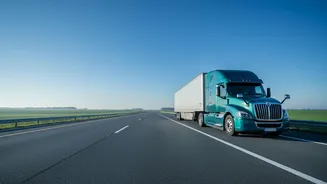
India's road network is the backbone of its economy, with trucks handling about 70% of the nation's freight. However, the current system of roadside inspections is often fraught with problems. Stops can be haphazard, leading to significant delays that
have a critical impact on perishable goods like fruits and vegetables. Studies show that up to 40% of India's food can be wasted post-harvest, with transportation and storage being major bottlenecks. Delays on the road directly contribute to this wastage, as non-refrigerated vehicles expose produce to temperature changes that speed up spoilage. Beyond the economic loss, there is a significant safety concern. Many roadside stops lack designated, safe pull-off areas. This forces heavy vehicles to halt on the shoulder, and re-entering the high-speed flow of traffic can be a dangerous manoeuvre, contributing to accidents. These challenges highlight the need for a more organised, systematic approach to vehicle inspections.
A Focus on Fresh Food Turnover
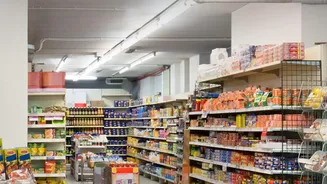
A key pillar of the new plans is to better manage the turnover of fresh food. This isn't about just checking for vehicle fitness, but ensuring the integrity of the food supply chain. The logic is simple: inefficient transport leads to spoilage, which in turn means financial losses for farmers and higher prices for consumers. By organising stop checks, authorities can prioritise vehicles carrying perishable items, potentially fast-tracking their inspections or using technology to minimise stoppage time. This could involve digital verification of documents, which is becoming more common in the logistics sector. Furthermore, a more structured inspection process allows for better enforcement of rules related to food transport, such as those mandated by the Food Safety and Standards Authority of India (FSSAI). The goal is to create a system where the time-sensitive nature of fresh produce is a factor in how and when inspections are conducted, reducing waste and ensuring that higher quality food reaches markets across the country.
The Critical Art of a Safe Rejoin
The second major focus is on standardising how heavy vehicles rejoin highways after a stop. A truck accelerating from a standstill needs considerable time and space to match the speed of highway traffic, creating a hazardous situation. The government has already been taking steps to improve highway safety with new technologies. The new plans for stop checks complement this by considering the entire process. This could include creating designated inspection bays set far back from the main carriageway, building longer acceleration lanes for trucks, and using traffic management personnel during peak inspection periods. In February 2026, the Ministry of Road Transport and Highways announced a transformative safety mandate for heavy commercial vehicles, set to roll out over the next few years. This includes systems like Blind Spot Information Systems, which protect vulnerable road users often invisible to truck drivers. Ensuring trucks can re-enter traffic without creating blind spots or forcing other drivers to brake suddenly is crucial for accident prevention.
Impact for Drivers and Citizens
For truck drivers, more organised and predictable stops could be a welcome change from the current arbitrary system, which can lead to stress and income loss. While any stop is a delay, a transparent and efficient process is preferable. Driver welfare is an increasing focus, with measures like mandatory air-conditioned cabins for new trucks from October 2025. Better stop-check management aligns with this push for improved working conditions. For the average citizen, the benefits are twofold. First, a more efficient food supply chain can lead to fresher produce in local markets and potentially more stable prices. Second, and most importantly, it contributes to safer roads. With new vehicle safety features like Advanced Emergency Braking and Lane Departure Warning Systems becoming mandatory between 2027 and 2028, these organised stop-check plans are part of a broader, multi-faceted strategy to reduce road accidents and fatalities in India.