





The First Step: Understanding the Inner Line Permit
Before you can immerse yourself in the pine-clad hills and mesmerizing rice paddies of Ziro, there's a crucial piece of paperwork every non-resident Indian traveller needs: the Inner Line Permit (ILP). The ILP system is an official travel document required
to enter protected states in India, including Arunachal Pradesh. Its purpose is rooted in history, originally a British-era regulation, but now it serves to protect the unique cultural identities and fragile ecosystems of indigenous communities. Think of it not as a barrier, but as a formal invitation to experience a region that has preserved its heritage with care. For travellers, it’s a simple administrative process that ensures tourism remains sustainable and regulated.
How to Get Your Ziro Valley ILP
Gone are the days of complex bureaucratic hurdles. Today, obtaining an ILP for Arunachal Pradesh is a straightforward online process, perfect for tech-savvy young travellers. The easiest way is through the official government portals like eilp.arunachal.gov.in. You'll need a few key documents ready in digital format: a passport-sized photograph and a scanned copy of a valid photo ID like an Aadhaar card, Voter ID, or passport. During the application, you'll need to specify the districts you plan to visit (make sure to include Lower Subansiri for Ziro) and your travel dates. The fee is nominal and payable online. It’s wise to apply at least a few days before your trip. Once approved, you’ll receive the e-ILP via email, which you should print and also keep a digital copy of on your phone.
Welcome to the Valley of the Apatani
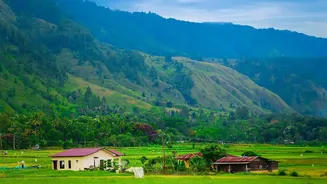
With your permit secured, the magic of Ziro Valley awaits. This isn't just a destination; it's a living cultural landscape, tentatively listed as a UNESCO World Heritage Site. The valley is home to the Apatani tribe, a community renowned for its deep connection to nature and extraordinary sustainable practices. Their entire way of life is a masterclass in ecological harmony. Most famously, they practice a unique form of wet rice cultivation integrated with fish farming, a system that uses no machines or chemical fertilisers and has been perfected over centuries. This deep respect for the land is woven into every aspect of their culture, from their bamboo craftsmanship to their vibrant festivals.
Choosing Your Sustainable Stay
To truly experience Ziro's ethos, ditch the conventional hotels and opt for an eco-stay. This is where the valley truly shines for modern travellers seeking authenticity. The most popular and rewarding option is a homestay with an Apatani family. These are not just rooms for rent; they are invitations into a local home, offering a chance to share meals, stories, and experience life from a completely different perspective. Many of these homes are traditional stilt houses built from bamboo and wood, materials sourced directly from the surrounding forests. Staying in a homestay ensures your money directly supports the local community and offers an unparalleled level of cultural immersion, from tasting home-cooked Apatani cuisine to learning about their customs firsthand.
Living the Ziro Experience
Ziro encourages a slower, more mindful form of travel. Spend your days walking through the vast, grid-like paddy fields, exploring the dense pine and bamboo groves, and visiting villages like Hong, which is one of the largest tribal villages in Asia. For music lovers, planning a trip around the Ziro Festival of Music in September is a must. It's one of India's most celebrated outdoor music festivals, known for its incredible indie lineup and eco-friendly vibe. Beyond the festival, the valley offers serene treks in places like Talley Valley Wildlife Sanctuary and breathtaking sunrises from viewpoints like Kile Pakho. Remember to respect local customs, always ask for permission before taking photographs of people, and leave no trace to help preserve this incredible landscape.