








The Western Path Gets Narrower
For decades, a degree from a Western university was seen as a golden ticket, often followed by a few years of work experience that could lead to permanent residency. Now, that pathway is fraught with new obstacles. In 2026, several countries have recalibrated
their immigration policies. The UK, for instance, is set to reduce its popular Graduate Route visa from two years to 18 months for many graduates starting in 2027. Australia has increased financial requirements for students, raised visa fees, and lowered the age limit for its post-study work visa to 35 for most applicants. Meanwhile, Canada has made its Post-Graduation Work Permit (PGWP) more selective, targeting specific in-demand fields. These changes create a landscape of uncertainty, making it harder for international graduates to plan their futures and recoup the significant investment of an overseas education.
A New Kind of Brain Drain
The psychological impact of these changes is significant. The stress of navigating complex, ever-shifting visa rules, coupled with higher costs and fiercer competition for qualifying jobs, is immense. Instead of a clear path, graduates face a high-stakes gamble. This administrative and financial pressure is causing many to question whether the struggle is worth it. The perception of Western nations as unwelcoming is growing, prompting a new generation of talent to look elsewhere for opportunities, not out of failure, but as a strategic choice. They are redirecting their skills, ambitions, and economic contributions to regions that appear more accessible and appreciative of what they have to offer.
Enter Southeast Asia: The Practical Paradise
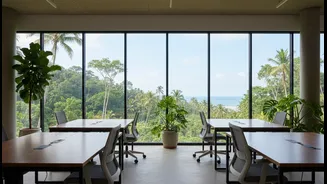
As doors in the West become harder to open, a compelling alternative has emerged in Southeast Asia. Cities like Da Nang in Vietnam, Chiang Mai in Thailand, and Canggu in Bali have become magnets for young professionals. The primary draw is a potent combination of low cost of living, high quality of life, and a welcoming community of like-minded individuals. This has given rise to coworking and co-living retreats, which provide not just a desk and fast Wi-Fi, but a built-in community. These structured programs handle logistics, allowing newcomers to focus on work and cultural immersion, effectively combating the loneliness that often comes with solo travel.
The Appeal Beyond Affordability
While the ability to live comfortably on a fraction of a Western salary is a huge factor, the appeal of Southeast Asia runs deeper. Many are drawn to the work-life balance that feels unattainable back home. It’s about trading a stressful commute for a scooter ride to the beach after work. It’s also about professional development in a globalized world. These hubs are melting pots of entrepreneurs, freelancers, and remote workers from around the globe, creating invaluable networking opportunities. The environment fosters creativity and an entrepreneurial spirit, making it an ideal setting for those looking to bootstrap a startup or build a freelance career without the crushing overhead of a Western city.
Navigating the Visa Landscape
The logistics of legally working in Southeast Asia are also becoming more formalized. While previously a gray area of visa runs, governments are recognizing the economic benefit of attracting long-stay remote workers. Thailand, a long-time favorite, introduced the Destination Thailand Visa (DTV), which allows remote workers to stay for up to 180 days per entry with proof of funds, rather than a high monthly income. Indonesia offers a remote worker visa route for Bali, and Malaysia has its DE Rantau Pass. While Vietnam doesn't have a dedicated nomad visa yet, its 90-day e-visa is a popular option for shorter stays. These options, while varied, signal a clear trend: the region is actively courting the talent that other parts of the world are making it harder for.