



A Picture-Perfect Escape
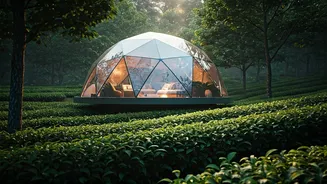
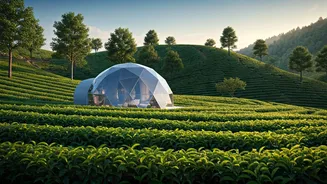
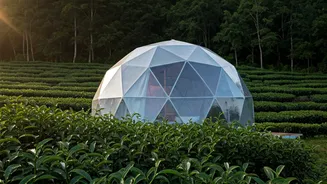
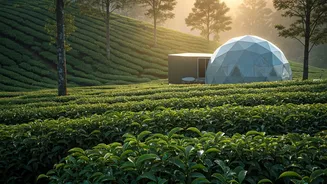
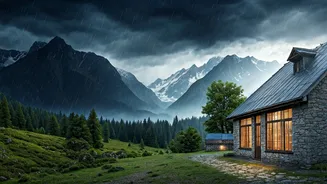
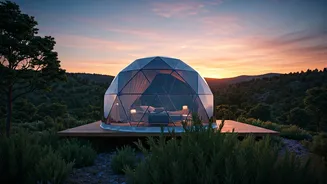
The primary engine of the eco-dome trend is, without a doubt, its incredible visual appeal. These geodesic structures, often featuring a large transparent wall, create a perfect frame for stunning landscapes. Whether it’s a snow-capped peak in Manali,
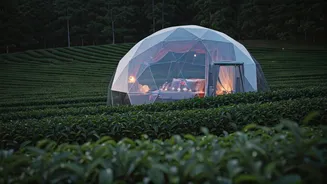
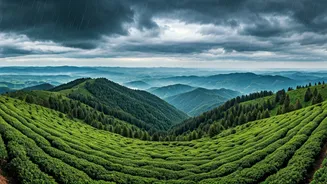
the dense greenery of the Western Ghats, or a star-filled desert sky, the dome places you right in the middle of nature while keeping you sheltered in comfort. This juxtaposition is pure Instagram gold. The cosy, curated interior—often with a plush bed, warm lighting, and stylish decor—contrasts beautifully with the raw, untamed wilderness outside. It creates a powerful, aspirational image that says, “I am adventurous, but I also value comfort.” This blend of ruggedness and luxury is catnip for social media, where every post is a form of storytelling.
The Allure of Isolation
The term “ultra private” is key to understanding the dome’s appeal. In a world of crowded cities and over-tourism, the promise of genuine solitude has become the ultimate luxury. These domes are rarely found in bustling hotel complexes. Instead, they are strategically placed in remote, secluded locations, offering guests a sense of being the only people for miles around. This desire for privacy and space has only intensified in recent years. Travellers are actively seeking to disconnect from the noise and reconnect with themselves or a loved one. An eco-dome provides a private sanctuary where the outside world melts away. It’s not just a room with a view; it’s a self-contained bubble of peace, offering a digital detox and a mental reset that a standard hotel room in a tourist hotspot simply cannot match.
Conscious Comfort, Not Camping
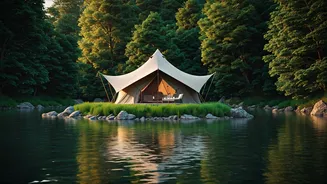
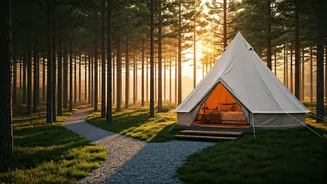
Let’s be clear: this isn’t camping. It’s the pinnacle of “glamping” (glamorous camping). The “eco” in eco-dome speaks to a growing desire among travellers to make more sustainable choices. Many of these structures are designed to have a minimal environmental footprint. They are often built with recycled or sustainable materials, may use solar power, and their design requires minimal disruption to the surrounding landscape compared to a traditional building. However, they don't skimp on comfort. Guests can expect amenities like comfortable beds, climate control, and often a private bathroom. This satisfies the modern traveller who wants to feel close to nature and make a conscious choice, but isn't willing to give up the creature comforts of a luxury stay. It’s the perfect compromise between a rugged tent and a resource-heavy five-star resort.
The Experience Economy
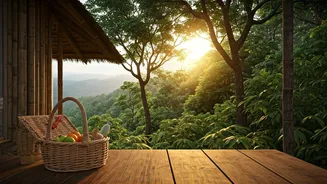
The rise of the eco-dome is also a perfect illustration of the experience economy. For a new generation of travellers, particularly millennials and Gen Z, the value of a trip is measured in unique experiences rather than material possessions or traditional luxury. A stay in an eco-dome is not just booking accommodation; it’s booking an unforgettable experience. The activity is the stay itself. Waking up to a sunrise over a valley from your bed, or watching a meteor shower from a warm cocoon, becomes the central memory of the trip. This aligns with a broader cultural shift where people are willing to spend more on moments that create lasting stories—and, of course, stories that can be shared online. The dome isn’t just a place to sleep; it’s the destination.
A Global Trend, A Local Flavour
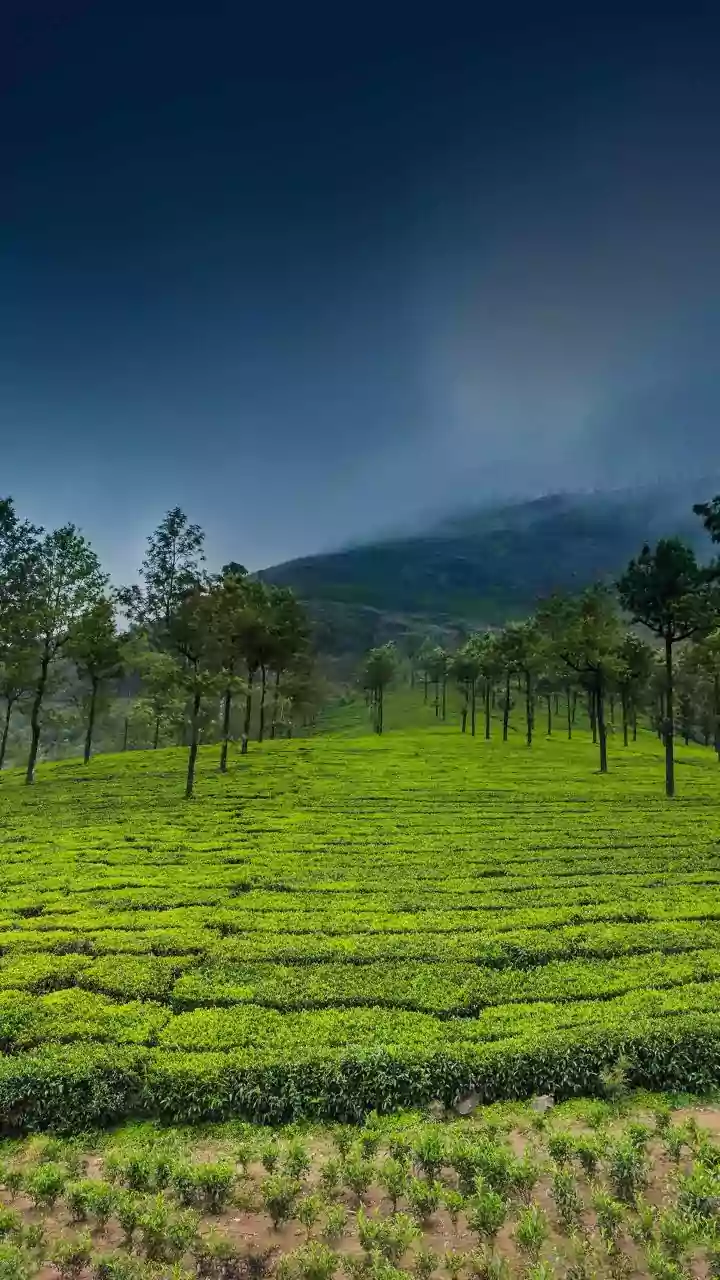
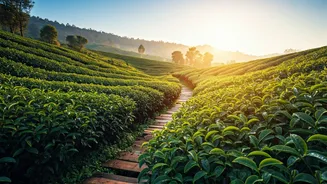
While this trend has roots in places like Scandinavia and North America, it has quickly found a fervent following in India. Entrepreneurs and hospitality brands have adapted the concept to suit India's incredibly diverse landscapes. You can now find these domes nestled in the apple orchards of Himachal Pradesh, overlooking the tea plantations of Munnar, or perched on the cliffs of Goa. This localisation makes the trend accessible to Indian travellers seeking new domestic adventures. It caters perfectly to the weekend getaway culture, offering a quick yet profound escape from urban life. As more Indians seek unique, Instagrammable, and nature-centric holidays, the sight of these glowing domes under Indian skies is only set to become more common.