



The Instinct Behind the Climb
Cats are hardwired to seek high ground. In the wild, this behaviour serves two critical functions that are still present in our domestic companions. Firstly, cats are predators. A high perch provides an excellent vantage point to survey their territory
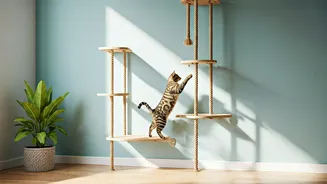
for potential prey (even if that prey is just a dust bunny or your unsuspecting feet). Secondly, cats are also prey to larger animals. Climbing to a secure, elevated spot allows them to rest and observe their surroundings without feeling vulnerable to threats from below. This dual instinct doesn't disappear just because they live indoors. An apartment floor can feel exposed and uninteresting, but a high shelf or perch transforms the space into a safe, stimulating environment that satisfies their natural urges.
Benefits Beyond a Better View
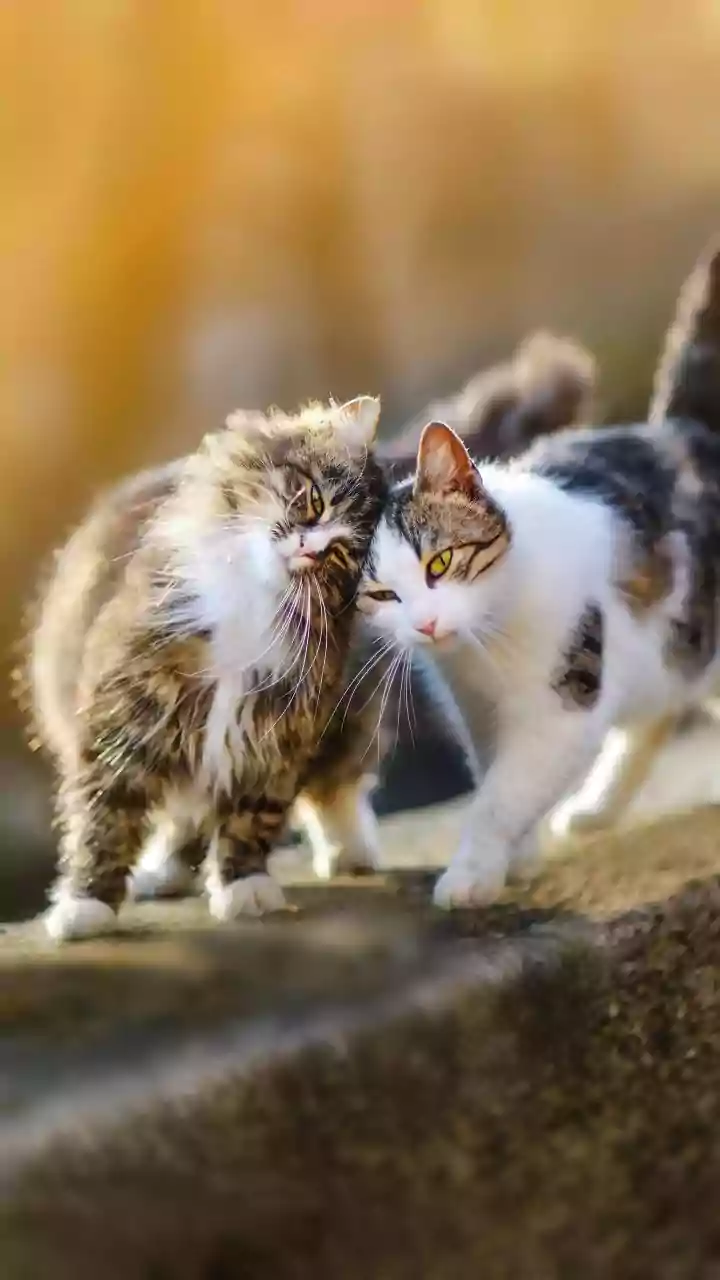
Providing vertical space does more than just give your cat a place to watch birds. It's a powerful form of environmental enrichment that significantly boosts their quality of life. A cat with access to high perches is often more confident and less stressed. In multi-cat households, vertical territory is a game-changer. It effectively increases the amount of usable space, allowing cats to establish their own zones and avoid conflict. A cat can signal its desire to be left alone simply by retreating to a higher spot. This can reduce territorial disputes, decrease anxiety-related behaviours like inappropriate scratching or spraying, and foster a more harmonious home environment for everyone.
Choosing the Right Vertical Solution
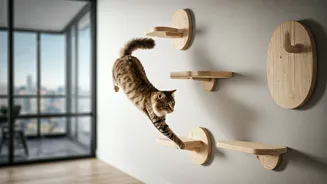
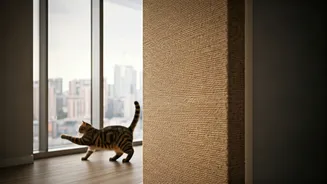
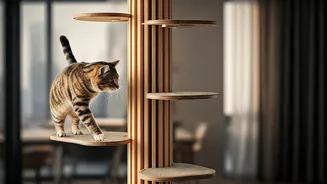
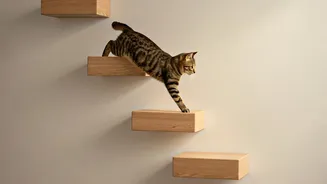
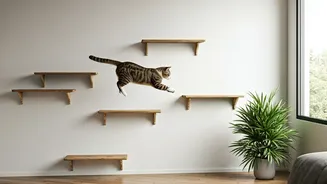
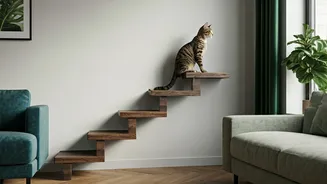
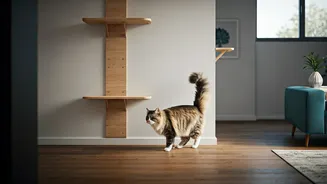
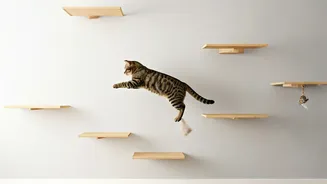
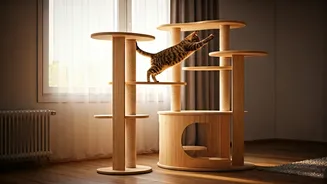
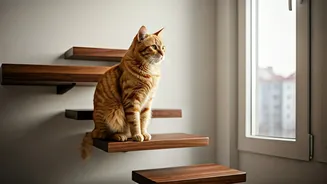
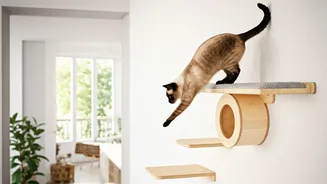
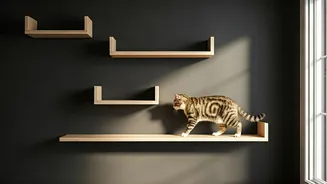
While classic cat trees are a great option, sturdy wooden steps or shelves offer a stylish and space-efficient alternative, especially in smaller apartments. When selecting them, prioritise function and safety. Look for steps made from solid wood rather than particleboard, as they are less likely to wobble or break. The surface should be wide enough for your cat to comfortably lounge on and ideally have a non-slip texture, like a carpet remnant or sisal wrap, to ensure a secure grip during ascent and descent. Wall-mounted shelves are another fantastic option. You can arrange them in a staggered pattern to create a fun and engaging 'cat-walk' that leads to a prized spot, like a sunny window ledge or a cosy bed mounted near the ceiling.
Safety First: Securing Your Setup
The single most important aspect of installing vertical structures is ensuring they are completely secure. A wobbly shelf or a tipping cat tree can frighten a cat, causing them to avoid it permanently, or worse, lead to a serious injury. If you are installing wall-mounted steps or shelves, always use a stud finder to locate the wooden beams behind your drywall. Anchoring directly into a stud provides the most secure hold. If a stud isn't available in your desired location, use high-quality drywall anchors rated to hold significantly more weight than your cat. For freestanding structures like a tall cat tree or a set of steps, ensure the base is wide and heavy. If it feels even slightly unstable, brace it against a wall or secure it with L-brackets for peace of mind. The goal is to create a structure so solid that your cat feels completely confident using it.