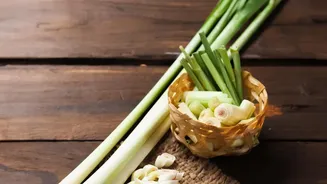




That unmistakable, fragrant aroma of citrus and mint is the magic of lemongrass. This humble grass stalk can elevate a simple meal into something special, but it can also seem intimidating. Here’s how to master it with ease.
Choosing and Storing Your Stalks
Your journey begins in the
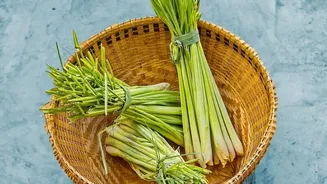
produce aisle. When buying fresh lemongrass, look for firm, pale green stalks that feel heavy for their size. A bulbous white base is a good sign, indicating more of the tender, usable part. Avoid stalks that are dry, withered, or brownish. Fresh lemongrass will keep for a couple of weeks when wrapped and stored in the fridge. For longer-term storage, it freezes exceptionally well. You can freeze the stalks whole or pre-chopped in an airtight bag for up to six months, which not only preserves them but also helps break down the tough fibres, making them easier to use later.
Two Ways to Prep Lemongrass
How you prepare lemongrass depends on how you plan to use it. For infusing flavour into soups, curries, or teas, you'll want large pieces that can be easily removed before serving. Simply slice off the root end and the woody green top, then peel away any dry outer layers. Smash the remaining stalk with the flat side of a knife or a rolling pin to bruise it and release its aromatic oils. You can then cut it into 3-to-4-inch pieces to add to your pot. For stir-fries, marinades, or pastes, you need to get to the tender core. Use only the bottom four or five inches of the stalk. After trimming the end and peeling the outer layers, slice the stalk into very thin, coin-shaped pieces. From there, you can mince it finely with a knife or use a food processor to save time. These tiny bits will soften during cooking and can be eaten.
The Ultimate Lemongrass Stir-Fry
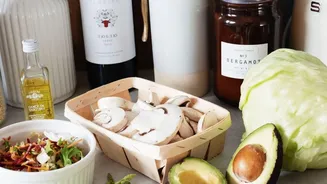
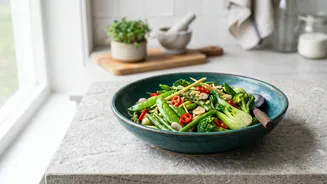
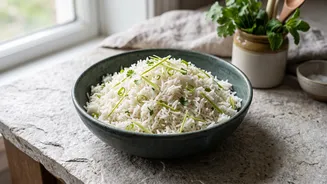
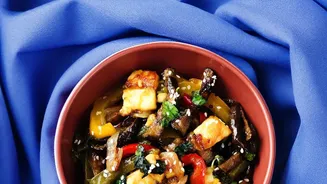
A lemongrass stir-fry is a fantastic way to experience its flavour. Instead of a rigid recipe, think of it as a flexible formula. Start by heating a neutral oil in a wok or large pan over high heat. Add your finely minced lemongrass, along with other aromatics like garlic, shallots, and ginger. Cook for a minute until fragrant. Next, add your protein of choice—chicken, paneer, tofu, and shrimp all work wonderfully. Once the protein is browned, toss in your vegetables. Quick-cooking veggies like bell peppers, mushrooms, and bok choy are excellent options. The key is to keep everything moving in the hot pan. Finally, add your sauce. A classic combination includes soy sauce or fish sauce, a touch of lime juice for brightness, and a little brown sugar or honey to balance the flavours. Toss everything to coat and serve immediately over steamed jasmine rice.
Flavour Pairings that Shine
Lemongrass has a complex profile—citrusy, herbal, and slightly floral—that pairs beautifully with a wide range of ingredients. Its natural partners in Southeast Asian cuisine are a great place to start. Coconut milk provides a creamy sweetness that mellows the zesty notes, making them a perfect duo for curries. Ginger adds a balancing warmth and spice. For a bit of a kick, chilies enhance the depth of the lemongrass flavour. Don't be afraid to experiment with herbs like basil and mint, or other sources of acid like lime juice, which complement its bright character. The combination of lemongrass, fish sauce, and chili is a cornerstone of many Vietnamese dishes.
Beyond the Stir-Fry
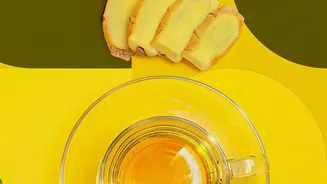
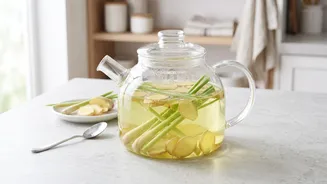
Once you're comfortable with lemongrass, you'll find endless ways to use it. Bruised stalks can be added to the pot when cooking rice to infuse it with a subtle, fragrant flavour. It's a key ingredient in marinades for grilled meats and tofu, often blended with garlic and soy sauce. You can also make a refreshing tea by steeping chopped stalks in hot water, with an option to add ginger or honey. For something more creative, try making a lemongrass simple syrup to use in lemonades, iced teas, or even cocktails. It can also be blended into compound butter to melt over grilled fish or vegetables, or used to flavour desserts like crème brûlée and ice cream.