
The Monsoon's Fungal Boom
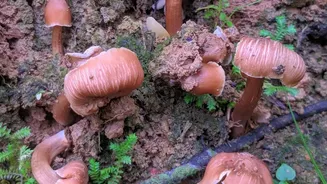
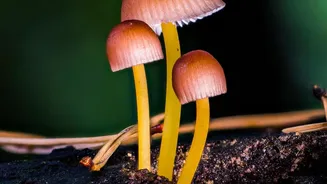
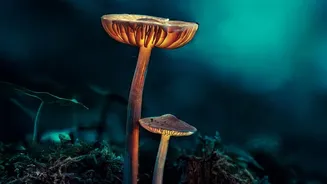
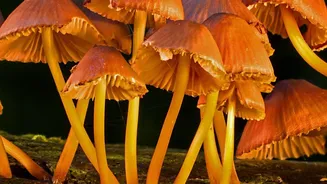
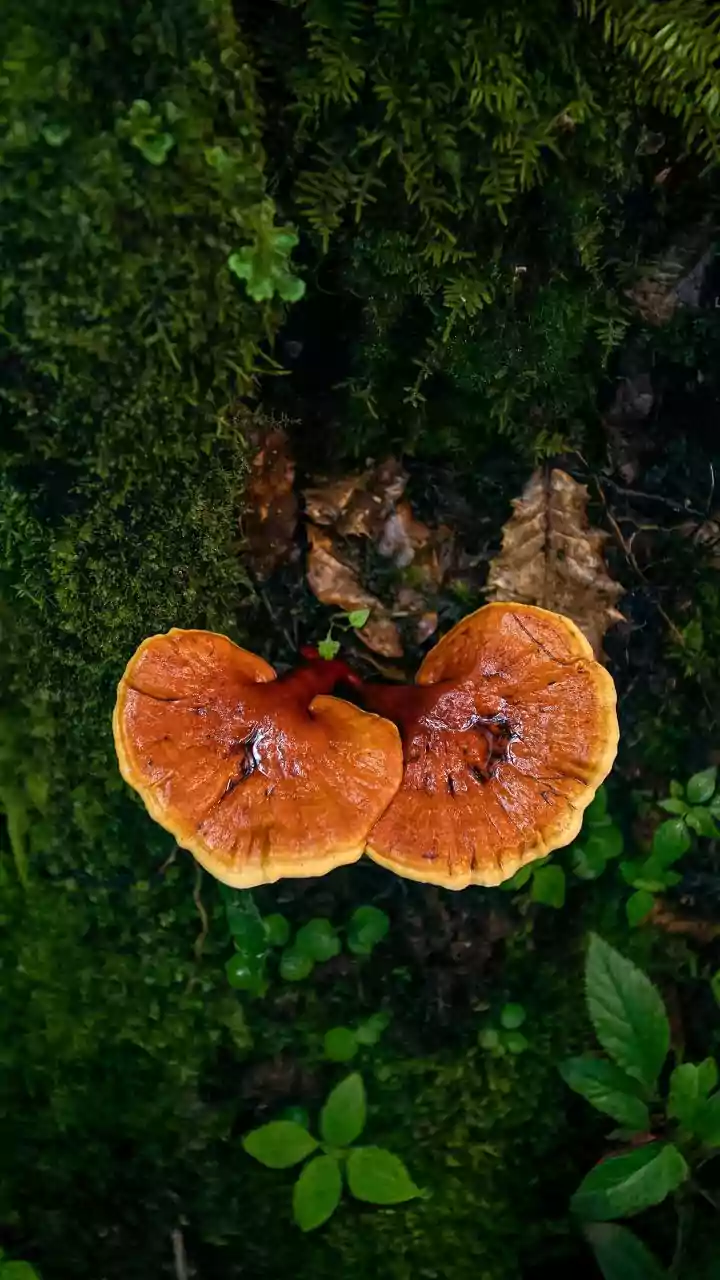
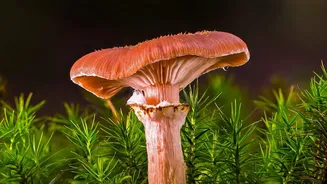
Rain and humidity create the perfect conditions for fungi to fruit, leading to a sudden explosion of mushrooms in forests, fields, and even backyards. For centuries, ethnic tribes and local communities in India have foraged for these seasonal delicacies.
This tradition, while culturally rich, carries a significant risk, as the monsoon doesn't just sprout edible varieties; it also encourages the growth of highly toxic ones that can appear deceptively similar to their safe cousins. Incidents of mushroom poisoning often spike during this season, turning a culinary adventure into a medical emergency.
The Danger of Deadly Lookalikes
The greatest threat in wild mushroom foraging is misidentification. Many poisonous species are masters of mimicry. For example, the deadly Amanita phalloides, or 'Death Cap', which is responsible for over 90% of fatal mushroom poisonings globally, can be mistaken for edible varieties. In India, about 100 species of mushrooms are known to be poisonous. These include species from the Amanita, Galerina, and Lepiota genera, which can cause severe liver and kidney damage. Another common toxic mushroom is Chlorophyllum molybdites, which can cause severe gastrointestinal distress. Relying on appearance alone is a dangerous gamble, as even seasoned foragers can be fooled.
Debunking Common Identification Myths
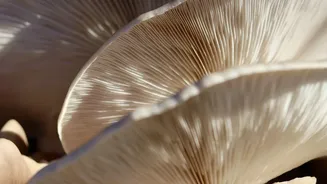
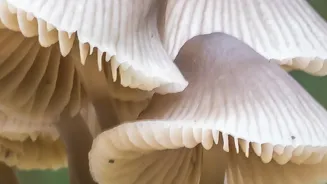
Many popular beliefs about identifying poisonous mushrooms are dangerously false. One myth is that all toxic mushrooms are brightly coloured, but some of the deadliest, like the Death Cap, have a plain, unassuming appearance. Another falsehood is that if animals can eat a mushroom, it's safe for humans. Cooking, boiling, or drying a poisonous mushroom will not neutralise its toxins. There is no single, simple test to distinguish a safe mushroom from a toxic one. Features like white gills, a ring on the stem, and a sac-like base (volva) are all red flags that could indicate a deadly Amanita, but these rules are not foolproof and require expert knowledge to apply correctly.
Symptoms of Mushroom Poisoning
Symptoms of mushroom poisoning can vary widely depending on the toxin ingested. Some cause immediate gastrointestinal issues like nausea, vomiting, abdominal cramps, and diarrhoea within a few hours of consumption. Others, particularly those containing amatoxins from the Amanita species, have a deceptive delayed onset. A person might feel initial stomach upset, seem to recover, and then, 24 to 48 hours later, develop severe liver and kidney failure, which can lead to a coma and death. Other toxins can cause neurological symptoms like hallucinations, seizures, or cholinergic effects such as sweating and blurred vision.
What to Do in Case of Suspected Poisoning
If you suspect that you or someone else has eaten a poisonous mushroom, do not wait for symptoms to appear. Seek immediate medical attention at the nearest hospital. If possible, take a sample of the mushroom that was consumed, as this can be crucial for identification and determining the correct treatment. Do not try to self-medicate or induce vomiting unless advised by a medical professional. Prompt medical care, including gastric decontamination and supportive therapies, is critical and can be lifesaving, as delays in treatment drastically increase mortality rates.
The Safest Way to Enjoy Mushrooms
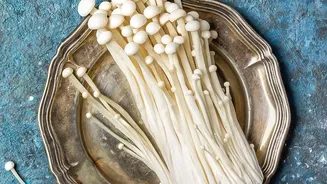
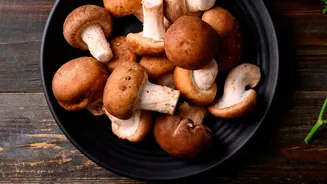
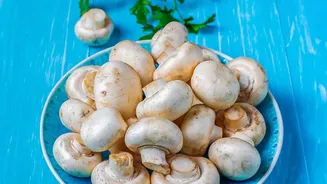
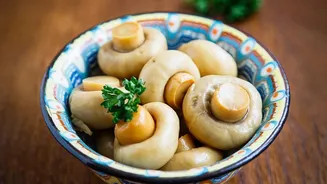
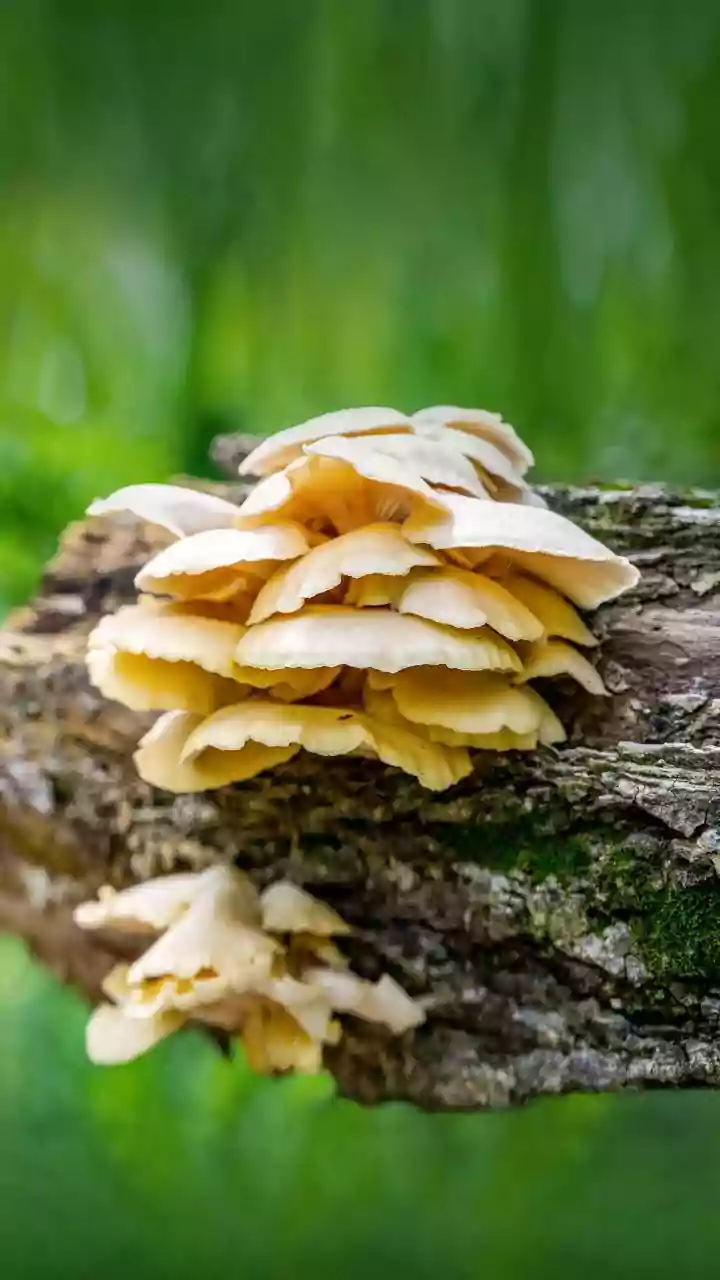
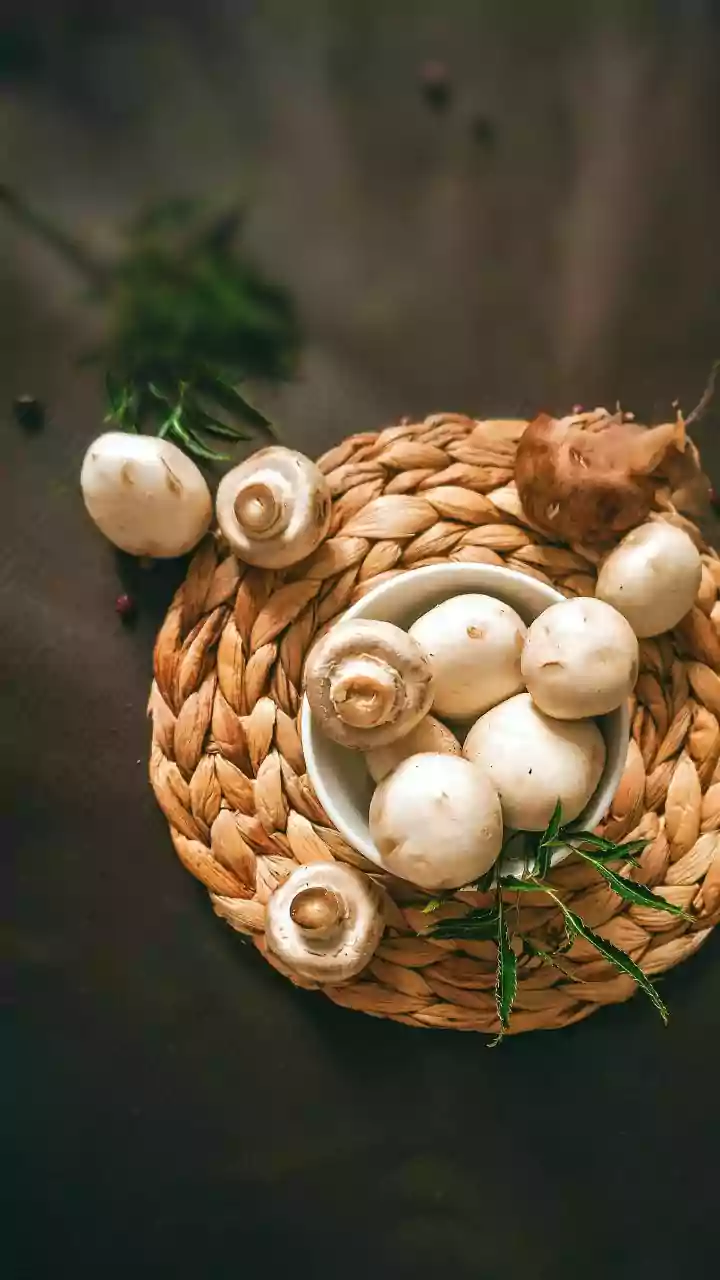
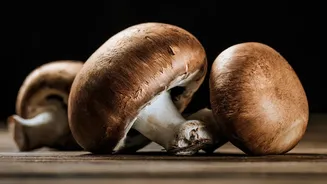
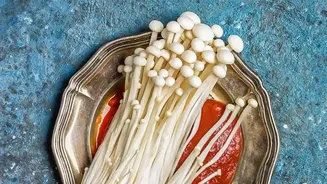
Given the high stakes, the only truly safe way to enjoy mushrooms is to avoid foraged ones unless you are with a certified mycologist or a known expert with extensive local knowledge. For home cooking, always source your mushrooms from reliable commercial growers or trusted vendors. Commercially grown varieties like button, cremini, portobello, shiitake, and oyster mushrooms are cultivated under controlled conditions and are guaranteed to be safe. During monsoon, even with store-bought mushrooms, ensure they are fresh. Avoid any that are slimy, discoloured, or have a foul odour, as the high humidity can speed up spoilage.