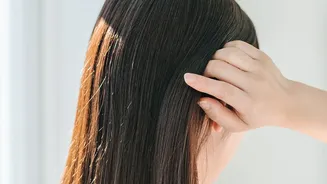







You walk out of the salon with vibrant, glossy hair, feeling fantastic. But a few weeks later, that brilliant colour can start to look dull. A good home care routine is essential to protect your investment and keep your hair smooth and bright.
Choose Your Cleanser Wisely
The single
most important swap you can make is to a sulfate-free shampoo. Sulfates are strong detergents that create a rich lather but can also strip hair of its natural oils and, unfortunately, its new colour. Look for products specifically labelled 'colour-safe' or 'sulfate-free'. These gentle formulas cleanse your hair and scalp without aggressively lifting the hair's outer layer, or cuticle, which helps keep colour molecules locked in for longer. Many Indian cities also have hard water, which contains minerals like calcium and magnesium that build up on hair, making colour look dull and brassy. A gentle, sulfate-free shampoo will be less reactive with these minerals.
Turn Down the Temperature
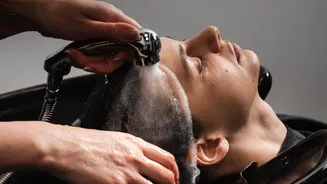
A steamy, hot shower might feel relaxing, but it's one of the fastest ways to fade your hair colour. Hot water opens up the hair cuticle, allowing dye molecules to escape with every rinse. To preserve your shade, wash your hair with lukewarm water. For the final rinse, switch to cool or even cold water for a few seconds. This helps to seal the cuticle, which not only locks in colour but also adds a dose of shine by creating a smoother surface that reflects light better. It's a small change that makes a significant difference over time.
Wash Less, Condition More
Every time you wash your hair, you lose a tiny bit of colour. To extend the life of your shade, try to wash your hair less frequently—aim for two to three times a week if possible. On off-days, a good dry shampoo can absorb excess oil at the roots and add volume, keeping your hair looking fresh without water. When you do wash, never skip conditioner. Colour-treated hair is often more porous and prone to dryness. A quality conditioner moisturises the hair, smooths the cuticle, and helps to maintain vibrancy. Focus the application on the mid-lengths and ends, which are typically the oldest and most damaged parts of your hair.
Add a Weekly Treatment Mask
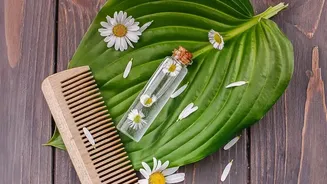
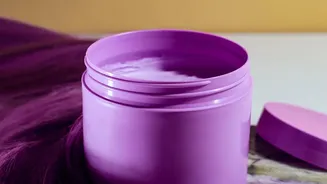
Think of a weekly hair mask as an essential spa treatment for your hair. Colouring can make hair feel dry and brittle, so replenishing moisture is key. Once a week, swap your regular conditioner for a deep-conditioning mask formulated for colour-treated hair. Look for nourishing ingredients like argan oil, keratin, shea butter, or avocado oil. For a simple DIY option, you can mash a ripe avocado and mix it with a tablespoon of olive or coconut oil for a deeply hydrating treat. Apply the mask to clean, damp hair, leave it on for 20-30 minutes, and then rinse thoroughly.
Embrace Heat Protection
Heat styling tools like straighteners, curling irons, and even blow dryers can damage the hair and cause your colour to fade faster. The high temperatures can degrade the dye molecules and strip moisture. Before you use any heat, always apply a heat protectant spray or serum. This creates a protective barrier between your hair and the tool, significantly reducing damage. When possible, let your hair air-dry or use your blow dryer on a cooler setting. If using a flat iron or curling tong, stick to lower temperature settings—ideally below 180°C.
Protect from Sun and Chlorine
Just like your skin, your hair needs protection from the sun. UV rays can break down colour molecules and cause your shade to fade and turn brassy. If you're spending a lot of time outdoors, wear a hat or use a hair product with built-in UV filters. Chlorine from swimming pools is another major enemy of hair colour, as it can strip pigment and leave hair feeling extremely dry. Before taking a dip, wet your hair with clean water and apply a leave-in conditioner. This helps prevent the hair from absorbing as much chlorinated water.