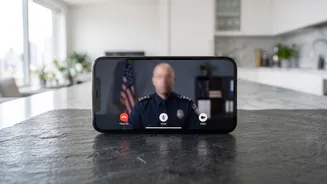









A new wave of sophisticated cyber fraud is sweeping across India. Scammers, posing as high-ranking officials, are placing victims under 'digital arrest' to extort money. Here’s what you need to know about this alarming trend.
Understanding the 'Digital Arrest' Scam
A 'digital arrest' is a type
of online fraud where criminals impersonate law enforcement officials to trick you into believing you are under investigation for a serious crime. They might claim to be from the CBI, local police, or another government agency. The scam involves falsely accusing you of crimes like money laundering or drug trafficking, often using your leaked personal data like Aadhaar details to sound convincing. The entire ordeal is a high-pressure tactic designed to create fear and panic, with the ultimate goal of extorting money from you. It is crucial to know that there is no legal provision for a 'digital arrest' in India; no authority can arrest you over a phone or video call.
How the Deception Unfolds
The scam usually begins with an unexpected call, often claiming a parcel in your name contains illegal items. The initial caller then transfers you to a second person posing as a senior officer. This 'officer' will likely initiate a video call on a platform like Skype or WhatsApp. To make the threat seem real, they use fake uniforms, official-looking backdrops, and forged documents like arrest warrants with your name on them. They will accuse you of a crime and threaten immediate arrest unless you cooperate. You are told the matter is confidential and you must not speak to anyone, effectively isolating you from friends or family who might recognise the scam.
The Psychology of Intimidation
These scams are effective because they prey on the natural fear and respect people have for authority. Scammers create a sense of urgency and panic, preventing you from thinking clearly. They will insist you remain on the video call, sometimes for hours, telling you that you are under 'digital surveillance'. This prolonged pressure is designed to mentally exhaust you. Once you are sufficiently intimidated and isolated, the demand for money comes. They will offer a way out: transfer a sum of money for 'verification' or as a 'settlement fee' to clear your name. They may even ask you to install remote access apps to 'monitor' your activities, giving them access to your device.
Key Warning Signs to Watch For
Recognising the red flags is the best way to protect yourself. Be immediately suspicious if you receive an unsolicited call from someone claiming to be a police or CBI officer. Real law enforcement agencies do not conduct investigations or make arrests via phone or video calls. Another major red flag is any demand for money. No legitimate officer will ever ask you to transfer funds to 'prove your innocence' or to resolve a case. Other warning signs include being pressured to keep the conversation secret, being forbidden from disconnecting the call, and receiving official-looking documents via WhatsApp or email. Any request for your bank details, OTPs, or passwords is a definitive sign of a scam.
What to Do If You Become a Target
If you receive a call like this, the first and most important step is to stay calm and not panic. Do not engage with the caller's demands. Simply disconnect the call immediately. You do not need their permission to hang up. After disconnecting, block the number. Under no circumstances should you transfer any money or share any personal or financial information. Talk to a trusted friend or family member about the call; secrecy only helps the scammer. Remember that genuine legal notices are served physically, not over a messaging app.
How to Report the Incident
Reporting these attempts is vital to help authorities track and stop these criminals. If you are targeted, you should immediately report the incident to the National Cyber Crime Reporting Portal at cybercrime.gov.in or call the national helpline number 1930. If you have unfortunately already lost money, it is critical to contact your bank immediately to report the fraudulent transaction. Provide the authorities with all the information you have, including the phone number, any messages received, and transaction details if applicable. Timely reporting increases the chances of action being taken against the fraudsters and can help protect others from falling victim.