
The Problem with Today's Batteries
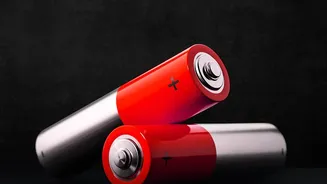
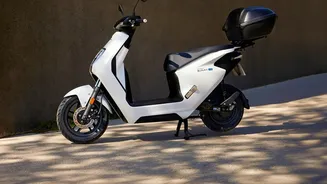
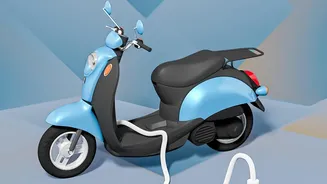
Your current electric scooter likely runs on a lithium-ion battery. This technology has powered everything from phones to cars for decades, but it has inherent limitations. The main issues for scooter riders are long charging hours and the dreaded range
anxiety. These batteries use a liquid or gel electrolyte to function, which is not only flammable but also bulky and sensitive to temperature, affecting performance in cold or very hot weather. This liquid component is the primary bottleneck, limiting how fast a battery can safely be charged and how much energy it can store.
What is a Solid-State Battery?
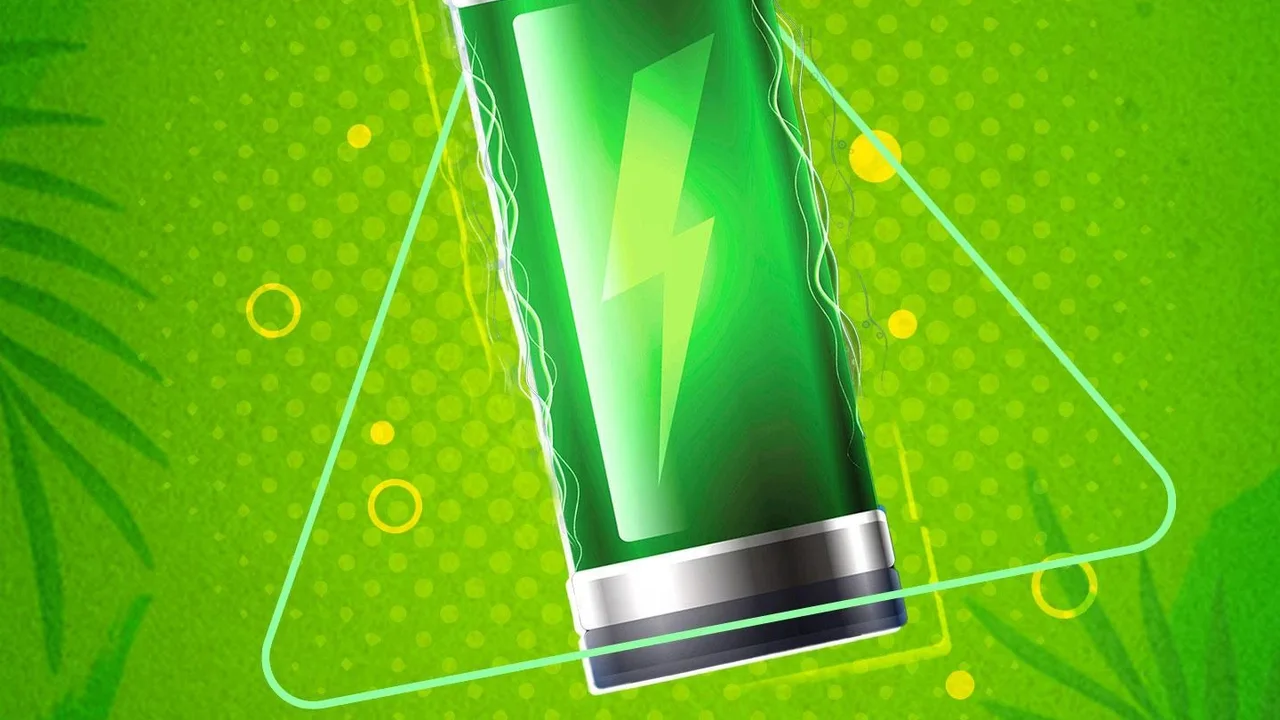
A solid-state battery does exactly what its name implies: it replaces the flammable liquid electrolyte with a solid material, often a thin layer of ceramic or polymer. This single change unlocks a cascade of benefits. The solid structure is far more stable and less prone to fire, a significant safety improvement. It also allows for a more compact and energy-dense design. By using a solid electrolyte, manufacturers can use advanced materials like a lithium metal anode, which can store significantly more energy than the graphite anodes used in today's lithium-ion cells. The result is a battery that can be smaller, lighter, and hold more power.
The Breakthroughs Enabling a 10-Minute Charge
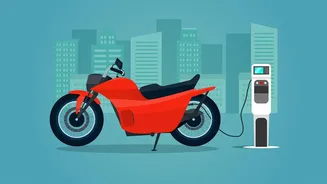
The 'ten-minute charge' is no longer just a theoretical goal. Recent breakthroughs are making it a reality. In early 2026, motorcycle manufacturer Verge, in partnership with technology firm Donut Lab, announced the first production motorcycles equipped with solid-state batteries capable of charging in minutes. Their technology enables adding hundreds of kilometers of range in under 10 minutes. This leap is possible because the solid electrolyte can withstand higher temperatures and faster ion movement without degrading or causing a fire, which are the main risks that force current chargers to be slow. While this technology debuted on high-end motorcycles, the principles are directly applicable to electric scooters, promising a future where a quick coffee break is all you need to fully charge your ride.
More Than Just Speed
While fast charging grabs headlines, the other advantages of solid-state technology are just as compelling for daily riders. The improved safety is a major factor; the removal of flammable liquid drastically reduces the risk of thermal runaway and battery fires. These batteries also have a much longer lifespan, meaning they can endure far more charge-and-discharge cycles before their performance starts to degrade. Furthermore, their stability across a wider range of temperatures means your scooter's performance won't plummet on a cold morning or a hot afternoon. This combination of safety, longevity, and higher energy density—which translates to longer range—makes for a fundamentally better ownership experience.
When Will They Arrive in India?
While the technology is here, mass adoption will take time. The India Electric Solid State Battery Market is projected to grow significantly, reaching nearly USD 10 billion by 2032. However, as of 2026, solid-state batteries remain expensive to produce, meaning they are first appearing in premium vehicles. Major battery manufacturers like CATL and BYD are targeting 2027 for initial, small-scale production, with mass-market availability expected closer to 2030. For the Indian market, this means we will likely see this technology in high-end electric scooters and motorcycles first, with more affordable models following as manufacturing scales up and costs come down. The transition won't be overnight, but the race to commercialize has begun.