





The Great Himalayan Rain Shadow
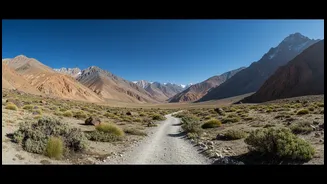
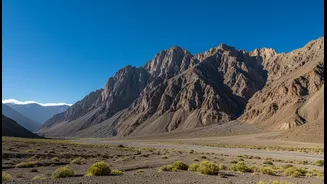
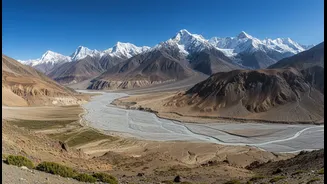
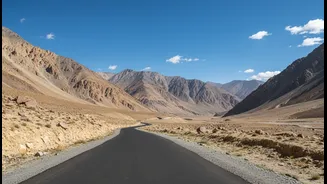
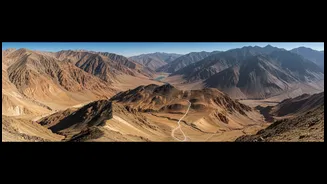
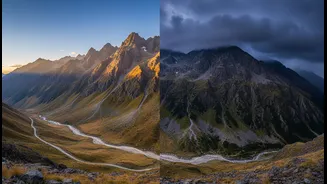
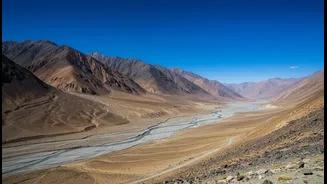
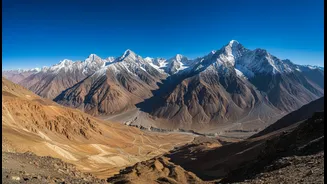
The magic of a dry monsoon in Spiti and Ladakh lies in a simple geographical phenomenon: the rain shadow effect. As the moisture-laden monsoon clouds roll in from the Indian Ocean, they are blocked by the immense Himalayan range. Forced to ascend, the clouds cool
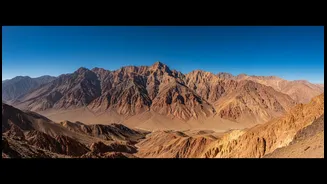
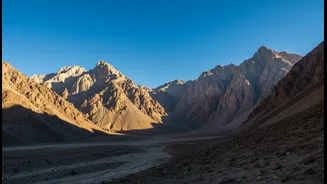
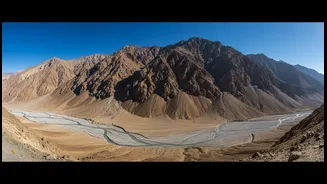
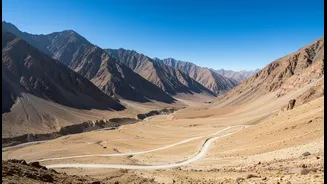
and shed their rain on the southern, windward side, leaving the northern, leeward side—where Ladakh and Spiti are located—arid and dry. These regions are classified as cold deserts, receiving minimal rainfall even when the rest of the country is drenched. This unique climatic condition makes them ideal destinations from June to September, offering clear skies and pleasant weather when most other hill stations are grappling with landslides and rain.
Ladakh: High Passes and Turquoise Lakes
During the monsoon months, Ladakh transforms into an accessible paradise. The daytime temperatures are comfortably warm, hovering between 20-25°C in Leh, making it perfect for exploration. This is the peak season when major attractions like the stunningly blue Pangong Tso and the high-altitude Tso Moriri lake are easily reachable. The famed Nubra Valley, known for its double-humped Bactrian camels and the magnificent Diskit Monastery, bursts into life with patches of greenery contrasting against the barren mountains. Adventure seekers can indulge in activities like white-water rafting on the Zanskar and Indus rivers. While Ladakh is experiencing a tourism boom, the monsoon period offers a chance to see the landscape at its most vibrant, with fewer crowds than the absolute peak summer rush.
Spiti: A World of Stark Beauty and Ancient Monasteries
Often described as a world within a world, Spiti Valley offers a quieter, more reflective alternative to Ladakh. Like Ladakh, it remains dry during the monsoon, though the approach roads via Manali or Shimla can be challenging due to rains in the lower regions. Once inside the valley, travellers are rewarded with dramatic landscapes, deep gorges, and ancient monasteries perched precariously on cliffs. Key Monastery, the largest in Spiti, and the UNESCO World Heritage Site of Tabo Monastery, known as the 'Ajanta of the Himalayas,' are must-visits. The season is also perfect for visiting high-altitude villages like Komic, Langza (the fossil village), and Hikkim, home to the world's highest post office. Cultural immersion through homestays provides an authentic experience of the local way of life.
Planning Your High-Altitude Adventure
A trip to these regions requires careful planning. Both the Shimla-Kaza route to Spiti and the Manali-Leh highway are generally open from June to September, but it's crucial to check road conditions before and during your journey, as landslides can cause temporary blockages on the approach routes. Acclimatisation is non-negotiable. Due to the high altitude (often above 3,000 meters), spending the first couple of days at your destination resting is essential to prevent Acute Mountain Sickness (AMS). Pack layers of clothing, as temperatures can drop significantly at night. While Indian citizens do not need permits for most of Spiti Valley, they are required for visiting areas in Ladakh like Pangong Tso and Nubra Valley, which can be easily obtained online or in Leh.