








The Protein Gap in the Indian Diet
For generations, the Indian plate has been rich in carbohydrates and fats, which provide essential energy. However, studies suggest a widespread protein deficiency, with some reports indicating that over 70% of Indians consume inadequate protein. The
recommended intake is about 0.8 to 1.0 grams of protein per kilogram of body weight for a sedentary adult, but this need increases significantly to 1.2 to 2.0 grams for active individuals, athletes, or those looking to build muscle. A typical vegetarian Indian meal plan might provide only 50-60 grams of protein, falling short for many. This gap between what we need and what we eat is at the heart of the whole food versus supplement debate.
The Case for Whole Foods: Traditional and Trusted
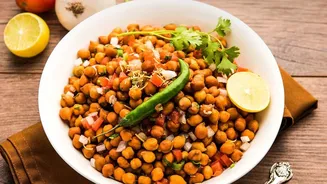
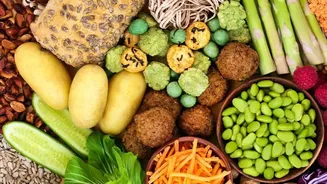
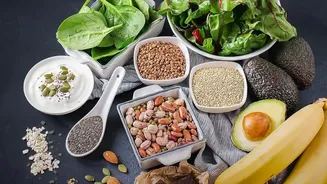
Whole foods are the protein sources our bodies have known for centuries. In India, this means a wealth of options like lentils (dal), chickpeas (chana), kidney beans (rajma), cottage cheese (paneer), yogurt (dahi), eggs, and chicken. The primary advantage of whole foods is that they offer 'complete nutrition'. A bowl of dal provides not just protein but also essential fibre, vitamins, and minerals. This nutrient diversity is crucial for overall health, supporting everything from digestion to immunity. Furthermore, whole foods are more satiating; the physical act of chewing and digesting solid food helps regulate appetite and keeps you feeling full for longer. They are also often more cost-effective, with desi staples like sattu, chana, and dal offering excellent protein-per-rupee value.
The Rise of Supplements: Convenient and Concentrated
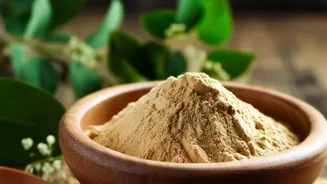
Protein supplements, such as whey, casein, or plant-based powders, are essentially concentrated sources of protein. Their biggest selling point is convenience. For a busy professional, a post-workout athlete, or someone who struggles to cook protein-rich meals, a shake is a quick and efficient way to meet daily targets. Supplements are also prized for their rapid absorption. Whey protein, in particular, is a fast-digesting protein that delivers amino acids to muscles quickly, making it ideal for post-exercise recovery. Each scoop provides a precise, high dose of protein (typically 20-25 grams) with minimal carbs and fats, offering accuracy that can be harder to achieve with whole foods alone.
A Head-to-Head Comparison
So, how do they stack up? Whole foods win on overall nutritional value, providing a complex matrix of fibre, vitamins, and minerals that supplements lack. They are generally better for satiety and gut health. Supplements, however, offer unmatched convenience and speed of absorption, which is a key benefit for athletic recovery. Cost is another critical factor. While the initial price of a protein tub seems high, the cost per serving can sometimes be competitive, though traditional food sources like dals and legumes are almost always cheaper per gram of protein. However, it's important to note that many supplements contain artificial sweeteners and additives, whereas with whole foods, what you see is what you get.
The Verdict: A Food-First Philosophy
The expert consensus is clear: supplements should complement, not replace, a balanced diet. The best approach is 'food first'. Prioritise getting your protein from a diverse range of whole foods. If your lifestyle, dietary restrictions (like being a vegan), or intense training schedule make it difficult to meet your protein needs through meals alone, then a supplement can be a highly effective tool to fill that specific gap. Think of it this way: build the foundation of your house with the strong bricks of whole foods. If you need to patch a hole quickly and efficiently, a supplement is the perfect cement. It is a tool, not the entire toolkit.