


The Pragmatist's Pick: CNG's Unbeatable Economics
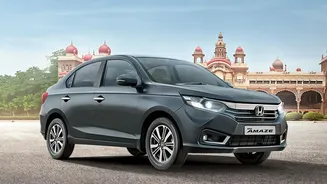
For the budget-conscious Indian buyer with high daily mileage, Compressed Natural Gas (CNG) has become the go-to alternative. Its primary allure is simple: significantly lower running costs. With petrol prices remaining stubbornly high, the cost per kilometre
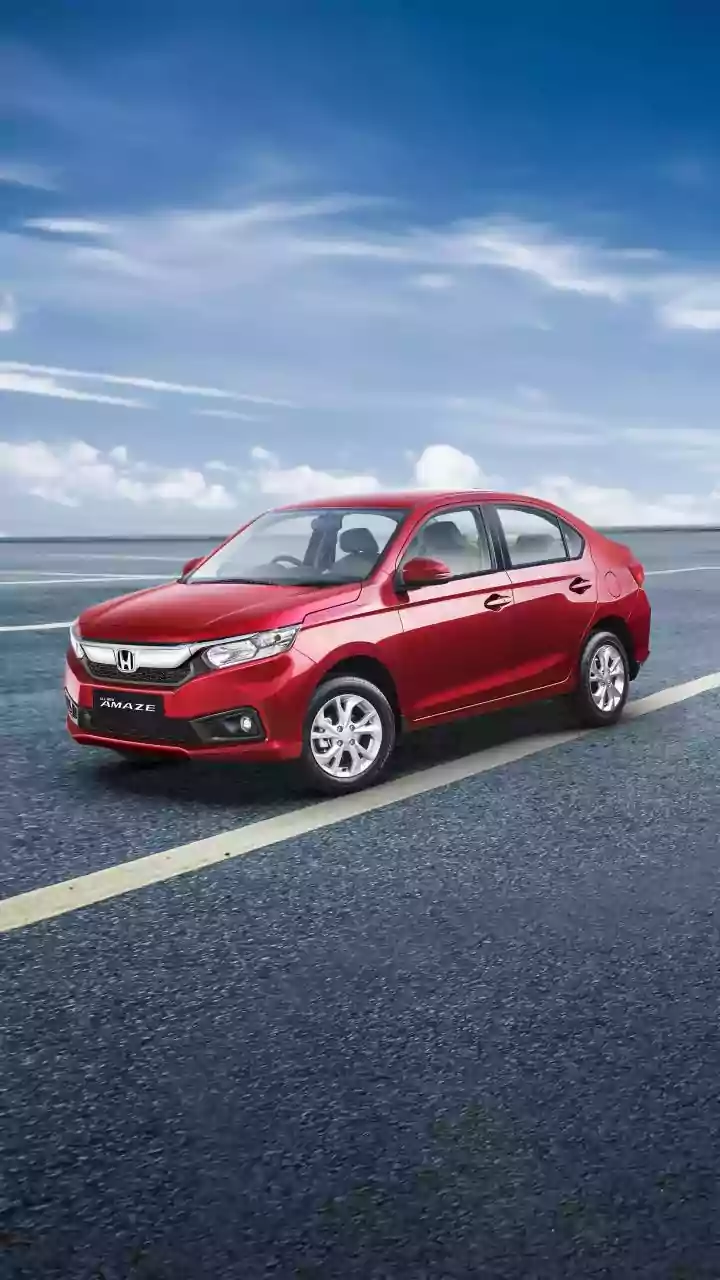
for a CNG car can be substantially less, making it a logical choice for taxi fleets and families focused on reducing monthly expenses. In August 2026, CNG vehicles commanded a massive 25% share of passenger vehicle retail sales, underscoring their mainstream acceptance. Carmakers have responded to this demand by moving beyond basic models. They now offer factory-fitted CNG kits in higher-spec variants and have innovated with technologies like twin-cylinder setups to free up crucial boot space, a traditional drawback of CNG ownership. This evolution has transformed the perception of CNG cars from a compromise to a smart, practical choice for those who prioritise low running costs without the lifestyle change required by electric vehicles.
The Balanced Approach: Hybrids as the Perfect Bridge
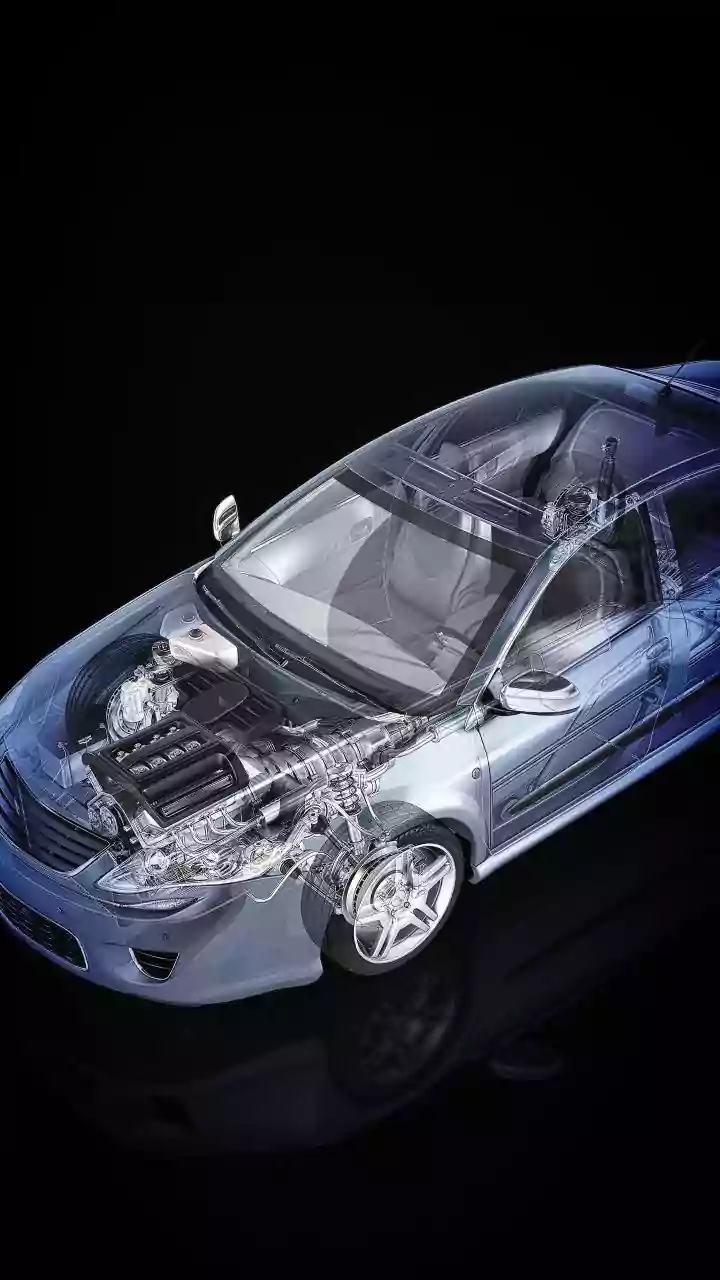
Hybrid vehicles occupy a strategic middle ground, appealing to buyers who want enhanced fuel efficiency without the range anxiety associated with pure EVs. By combining a petrol engine with an electric motor, strong hybrids can run on pure electric power at low speeds, drastically cutting fuel consumption in city traffic. This “best of both worlds” approach provides a seamless transition towards electrification. Projections show the Indian hybrid market is set for explosive growth, with some forecasts suggesting a compound annual growth rate of over 25% through 2034. Major players like Toyota and Maruti Suzuki have established a strong foothold in this segment. While they don't offer the zero-tailpipe emissions of an EV, hybrids provide a significant reduction in emissions compared to conventional petrol cars, aligning with India's broader environmental goals and stricter future emission norms like CAFE-III.
The Future Forward: Electric Vehicles Go Mainstream
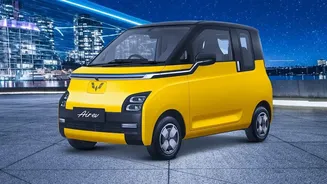
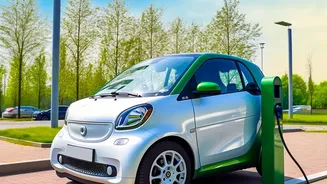
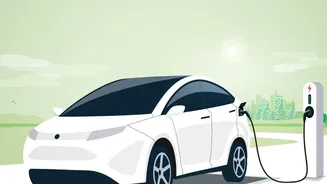
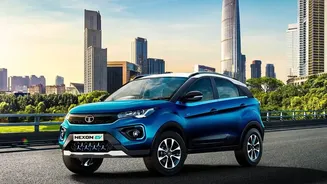
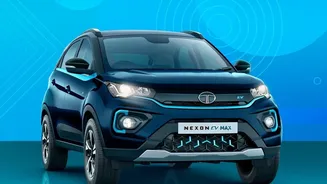
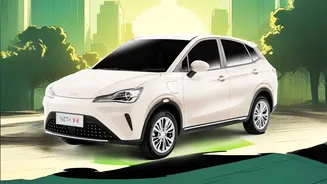
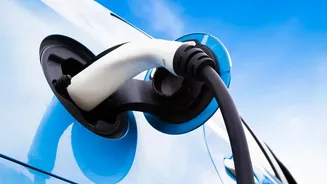
Once a niche for early adopters, electric vehicles (EVs) are now a fast-growing segment, thanks to government incentives, a wider range of models, and increasing consumer awareness. The primary driver for EV adoption is the promise of incredibly low running costs, especially for those who can charge at home. The ownership experience is also a major draw, offering a silent, smooth ride with minimal maintenance. Government support has been crucial, with EVs attracting a low 5% GST compared to the much higher rates for petrol and diesel cars. While the upfront cost remains a barrier for many, the total cost of ownership over several years can be highly competitive, particularly for high-mileage users. In the first half of 2026, EV sales saw a substantial year-on-year increase, showing that concerns about charging infrastructure are slowly being overcome by the compelling benefits. EV sales reached 7.7% of the market in August 2026, a significant jump from the previous year.
A Market for Everyone
The simultaneous growth of CNG, hybrids, and EVs highlights a fundamental truth about the Indian auto market: there is no single solution. For the first time in August 2026, the combined sales of these three alternative fuel types surpassed those of petrol cars, marking a major turning point. This diversification reflects the varied needs of Indian consumers. A city dweller with a short commute and home charging might find an EV to be the most economical choice. A salesperson who travels long distances on highways may prefer the reliability and efficiency of a strong hybrid. A fleet operator or a family on a tight budget will likely see the immediate savings of a CNG vehicle as the most attractive option. This trend is not just about a single technology winning; it’s about the market maturing to offer a portfolio of cleaner, more efficient choices tailored to different priorities and pocketbooks.