




The Sunshine Paradox
India receives abundant sunlight, so widespread Vitamin D deficiency seems like a puzzle. However, several factors limit our bodies' ability to produce it. Modern indoor lifestyles, long working hours, air pollution blocking UVB rays, and cultural clothing
practices that cover the skin all play a significant role. Furthermore, individuals with darker skin tones have more melanin, which acts as a natural sunblock and reduces Vitamin D synthesis, meaning they require longer sun exposure. This is why dietary sources, while often secondary, become an important part of the bigger picture.
Fatty Fish: The Natural Powerhouse
When it comes to naturally occurring Vitamin D, fatty fish are in a league of their own. Varieties commonly consumed in India are excellent sources. For instance, Hilsa (Ilish) is one of the richest sources available in the Indian diet, with a 150g serving potentially providing over 800 IU. Mackerel (Bangda) is another star, offering significant amounts, as are smaller, oilier fish like Sardines (Mathi). Including these fish in your diet a couple of times a week, whether in a curry or grilled, can make a meaningful contribution to your Vitamin D levels. Even Rohu, a less fatty freshwater fish, provides a modest amount and is widely accessible.
Egg Yolks: A Small but Steady Source
Don't discard the yolk! While egg whites are prized for protein, the Vitamin D is found exclusively in the yolk. A single large egg yolk provides around 40-44 IU of Vitamin D. While you would need to eat many eggs to meet your daily requirement of 600 IU, they are an affordable and easy-to-integrate source. Two boiled eggs with breakfast or an egg curry for dinner can consistently add to your weekly intake, complementing other sources. Because they are a staple in many non-vegetarian and eggetarian households, their contribution adds up over time.
Mushrooms: The Unique Vegetarian Option
Mushrooms are one of the few plant-based foods that can provide Vitamin D. However, there's a catch: they need to be exposed to sunlight or UV radiation. Mushrooms contain a compound called ergosterol, which converts to Vitamin D2 when exposed to UV light. Commercially grown mushrooms are typically cultivated in the dark and contain very little Vitamin D. But if you buy mushrooms and leave them in direct midday sun for 15-60 minutes before cooking, you can significantly boost their Vitamin D content. Some brands now also sell pre-exposed, Vitamin D-enriched mushrooms.
Fortified Foods: Filling the Gaps
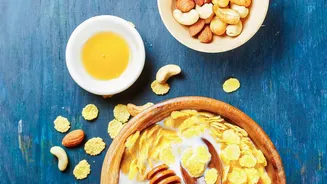
For a large part of the Indian population, especially vegetarians, fortified foods are the most reliable dietary source of Vitamin D. Fortification is the process of adding micronutrients to staple foods. In India, you can find fortified milk, curd, edible oils, and breakfast cereals. According to FSSAI regulations, fortified milk must contain a specific amount of Vitamin D, making it a dependable option. A glass of fortified milk or a bowl of fortified cereal can provide a significant portion of your daily needs. Always check the product label for 'Fortified with Vitamin D' to ensure you're getting the added benefit.
What About Other Dairy?
Many people assume that because milk is often fortified, other dairy products like regular paneer and curd are also high in Vitamin D. This is generally not true unless they are specifically made from fortified milk. Plain, unfortified curd contains almost no Vitamin D, and the same goes for most standard paneer. While these foods are excellent sources of calcium and protein, they cannot be relied upon to boost your Vitamin D levels on their own. The key is to look for the fortification label on the packaging.