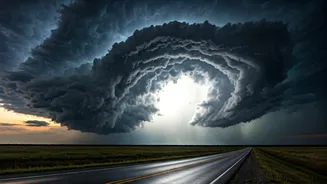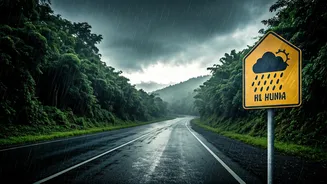




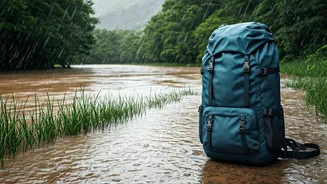
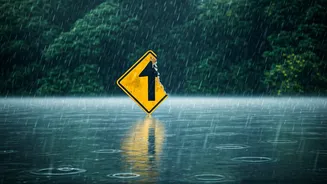
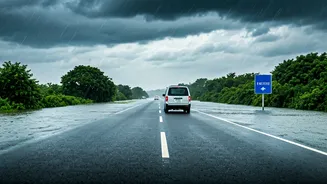


A New Travel Reality
Floods are the most common natural disaster globally, and their frequency and intensity are increasing due to climate change. This isn't a distant problem; it has direct consequences for travellers. An unexpected deluge can lead to cancelled flights,
inaccessible roads, damaged accommodations, and ruined holidays. We've seen recent events where extreme rainfall has led to evacuations and significant disruption. Just as you would check the weather forecast for rain or sun, understanding the flood potential of your destination is becoming an essential part of responsible travel planning. It’s no longer just about avoiding a rainy day, but about ensuring your safety and the viability of your entire trip.
Your Pre-Travel Flood Checklist
Before you book, a few minutes of research can provide significant peace of mind. For travel within India, several official resources are at your disposal. The Central Water Commission (CWC) is the primary agency for flood forecasting and warnings in the country. They offer a mobile app called 'Flood Watch', which provides real-time alerts, river level monitoring, and seven-day advisories for hundreds of locations. Additionally, the India Meteorological Department (IMD) issues district-wise warnings for heavy rainfall and cyclones, which are often precursors to flooding. For international travel, look for equivalent national bodies, such as the FEMA Flood Map Service Center in the United States, or check government travel advisory sites, which often include information on seasonal flood risks.
How to Read the Signs
Understanding the alerts is key. A 'flood watch' typically means that conditions are favourable for flooding, while a 'flood warning' means flooding is imminent or already occurring. Pay attention to the specific location and expected severity. Beyond official alerts, look at the geography of your intended stay. Is your hotel or rental property in a low-lying area, close to a river, or near a coastline prone to storm surges? A quick look at a topographical map can be revealing. Also, consider the time of year. Many destinations have predictable monsoon or rainy seasons when the risk is naturally higher. A little historical context research—has this area flooded in recent years during the same season?—can also inform your decision.
Beyond the Official Forecast
Official channels are your most reliable source, but they aren't the only one. Local news outlets at your destination are an excellent resource for on-the-ground conditions and concerns. Social media can also provide real-time updates, but always verify information with trusted sources. Don’t hesitate to be direct. When booking accommodation, ask the hotel manager or host about the area's flood history and what safety measures they have in place. Their awareness and preparedness can be a strong indicator of how they would handle an emergency. Being proactive with these inquiries shows you are an informed traveller.
Making the Final Decision
Assessing flood risk doesn’t always mean cancelling your trip. It’s about making an informed choice. If the risk seems low or manageable, you can proceed with confidence. If there's a moderate risk, you might choose accommodation on higher ground or ensure your travel insurance provides adequate coverage. Most standard travel insurance policies can cover cancellations or interruptions due to flooding, but only if the policy is purchased before the flood becomes a known event. If a credible flood warning is issued for your destination just before your departure, you may be covered if your flight is cancelled or your lodging is rendered uninhabitable. If the risk is high, postponing or choosing an alternative destination might be the wisest and safest option.