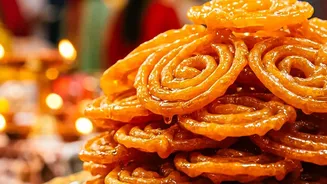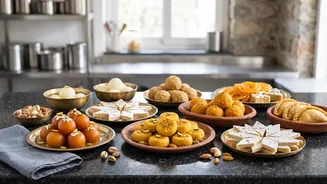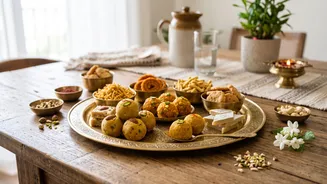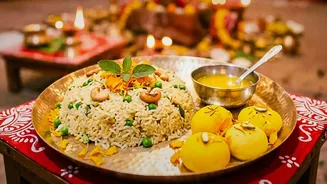

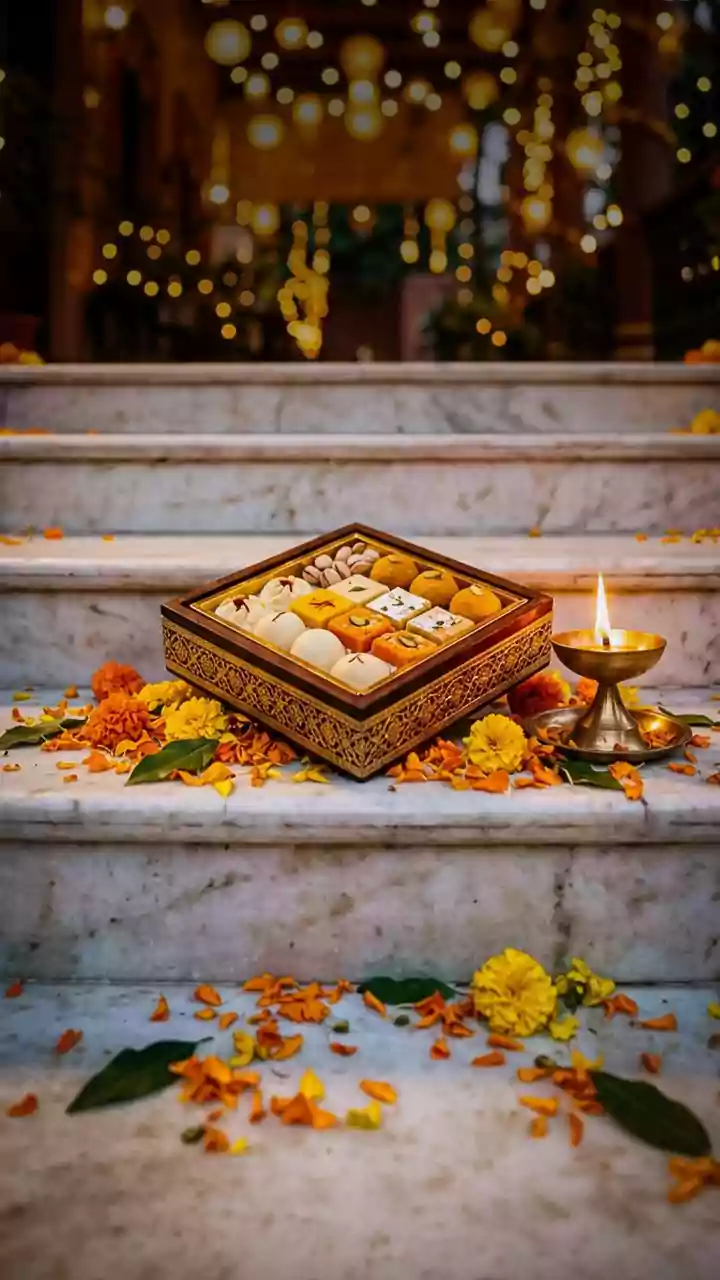





Indian festivals are a symphony of flavours, with food at the heart of every celebration. But behind the joyous feasting lies a growing problem: mountains of wasted food. This isn't just a matter of leftovers; it's a critical sustainability issue.
The Scale of the Festive Aftermath
From
Diwali to Eid, and Christmas to regional new years, Indian celebrations are incomplete without an abundance of special foods. It is a time of generosity, where households cook not just for themselves but for family, friends, and neighbours. While this tradition is rooted in community and sharing, it also fuels a significant spike in food waste. According to the UN Environment Programme, Indian households waste an estimated 78.2 million tonnes of food annually. Festivals and large social gatherings, such as weddings, are major contributors, where it's estimated that nearly 20% of food served can go to waste. This isn't just about the 'kheer' that wasn't finished; it's a colossal loss of resources at a national level, a paradox in a country still grappling with food security challenges.
The Hidden Environmental Cost
When we throw away food, we're wasting more than just the meal itself. We are also discarding the water, energy, labour, and land that went into producing it. In India, where agriculture is heavily reliant on freshwater, this is a precious resource to squander. The impact continues long after the bin is collected. Food waste rotting in landfills is a major source of methane, a greenhouse gas that is significantly more potent than carbon dioxide in warming the planet. In fact, global food loss and waste account for 8-10% of all human-caused greenhouse gas emissions. Therefore, the fragrant pulao or leftover sweets that end up in the bin contribute directly to the environmental challenges we face, turning a symbol of celebration into a source of pollution.
From Mindless Waste to Mindful Habits
The solution to this festive fallout begins in our own kitchens. Adopting sustainable practices doesn't mean sacrificing the spirit of celebration. It means embracing mindfulness. A crucial first step is planning. Before heading to the bustling markets, make a list based on the meals you plan to cook and the number of guests you realistically expect. This simple act can curb impulse buys and prevent over-purchasing. During preparation, practice 'root-to-stem' cooking, using parts of vegetables that are often discarded. When serving, especially in buffet-style festive meals, encourage guests to take smaller portions initially; they can always come back for more. Understanding the difference between 'best before' and 'use by' dates can also prevent perfectly good food from being thrown away prematurely.
Putting Leftovers and Surplus to Good Use
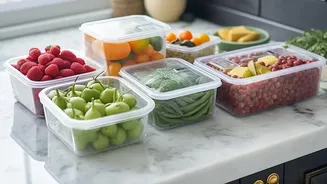
Leftovers are not a failure; they are an opportunity. Get creative by repurposing yesterday’s feast into new dishes—transforming vegetable curries into paratha fillings or rice into flavourful fried rice. Proper storage is key to extending the life of both raw ingredients and cooked food. If you find yourself with a surplus of safe, untouched food, consider sharing it. Many cities now have organisations and community-led initiatives like the Robin Hood Army or local food banks that collect excess food from events and households to distribute to those in need. Participating in these networks turns potential waste into a valuable community resource. For inedible scraps like peels and shells, composting is an excellent way to keep them out of landfills and create nutrient-rich soil for gardens, completing a truly circular and sustainable cycle.