




A Pioneering Project for India
Forget traditional daytime zoos where many animals are asleep. Lucknow is set to redefine wildlife tourism with India's first urban night safari, inspired by Singapore's world-famous attraction. This ambitious project, recently cleared by the Supreme
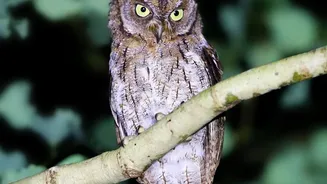
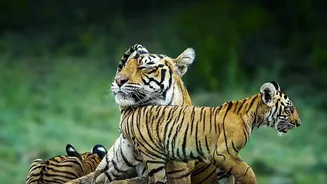
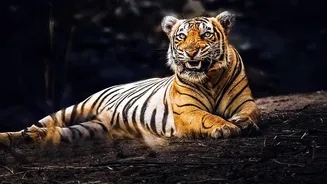
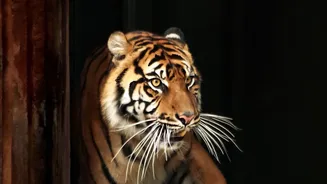
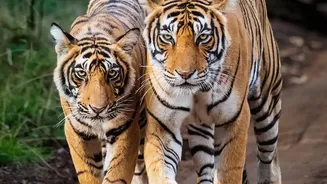
Court after years of scrutiny, will allow visitors to observe nocturnal animals when they are most active. Set within the sprawling Kukrail Reserve Forest, the safari aims to provide an immersive and authentic ecological experience without having to travel far from the city. The core idea is to see animals like tigers, leopards, and bears in a setting that mimics their natural habitat after dark, offering a completely new perspective on wildlife.
The After-Dark Experience
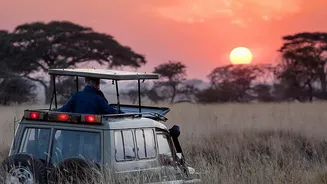
So, what will a visit to the night safari entail? The experience is designed to be both thrilling and minimally intrusive for the animals. Visitors will board quiet, battery-operated trams for a guided tour, expected to last around 40 minutes. These vehicles will move through different zones, such as the Indian Wetlands and Arid India, on specially laid-out trails. The most innovative feature is the lighting system, which is engineered to simulate natural moonlight. This allows clear visibility for guests while ensuring the animals are not disturbed by harsh, artificial lights, letting them behave naturally in large, open enclosures.
What You Can Expect to See
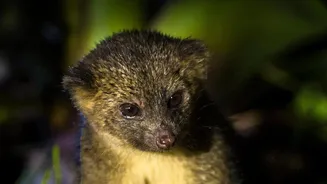
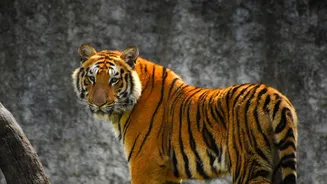
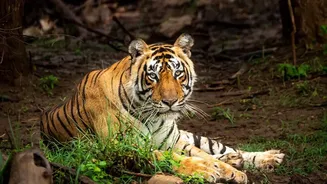
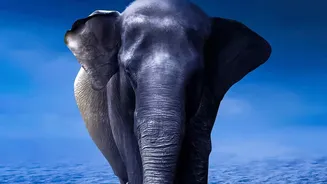
The safari is planned to house a diverse range of species, with a focus on animals active at night and twilight. Initial plans include dedicated safari areas for tigers, leopards, and bears. Over 54 species are expected to be part of the night safari, housed in 42 modern, naturalistic enclosures approved by the Central Zoo Authority. The project will also feature a day zoo component, which together will house more than 100 species. Beyond the large carnivores, visitors may spot herbivores like blackbuck and deer, as well as smaller species like hyenas and jackals, offering a comprehensive look at India's nocturnal ecosystem.
More Than Just Animals
The Kukrail project is more than just a safari; it's being developed as a complete eco-tourism hub. The master plan includes a host of other attractions to enhance the visitor experience. These include an interpretation centre for educational purposes, a 7D theatre, an auditorium, and nature trails for walking. For the more adventurous, facilities like a Burma bridge and ziplines are also planned. The project also honours Kukrail's legacy in conservation. The forest is home to a renowned gharial rehabilitation centre established in 1975, which will continue to operate alongside the new infrastructure, blending tourism with a long-standing conservation mission.
Timeline and What’s Next
With the final clearance from the Supreme Court in July 2026, the project is now set to move forward. Construction for the first phase, which focuses on the night safari itself, is expected to begin soon, with officials estimating a completion time of about two years. While earlier targets mentioned a 2026 opening, a more realistic timeline points towards the safari becoming operational in phases starting from late 2026 into 2027, subject to construction progress. The state government is moving ahead with the tender for the night safari construction, signalling that after years of planning, the vision is finally becoming a reality for residents and tourists to look forward to.