







The Academic Mountain We All Face
Whether you're a PhD scholar, a master's student, or an undergrad trying to get ahead, you know the feeling. A folder full of PDFs, each a mountain of complex methodology, dense literature reviews, and conclusions written in a language that feels intentionally
obscure. The sheer volume is daunting. It’s easy to procrastinate, read passively without absorbing anything, or worse, give up on a potentially crucial paper because it’s just too much work to get started. This barrier isn't just about laziness; it's about cognitive overload. Our brains can only process so much dense, new information at once, and traditional research papers aren't designed for quick comprehension.
Meet Your New Study Partner: The AI Companion
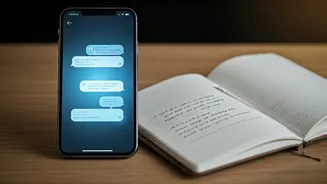
Enter the AI reading companion. Think of it not as a cheating tool, but as a brilliant, tireless research assistant. Platforms like SciSpace, Elicit, and Semantic Scholar are designed specifically for academic literature. They use large language models (the same tech behind tools like ChatGPT) but are trained on a massive corpus of research papers. Instead of just reading a paper from start to finish, these tools allow you to 'interact' with it. You can ask it to explain a complex paragraph in simple terms, summarise the abstract, or even extract the key findings and methodology for you. This transforms the static, intimidating PDF into a dynamic, interactive learning experience.
Step 1: The Five-Minute Triage
The first step to building a regular study habit is reducing the friction to get started. Don't commit to reading a whole paper. Instead, use an AI companion for a quick 'triage'. Upload the PDF and ask for a one-paragraph summary. Ask it: 'What is the main research question of this paper?' or 'What are the top 3 key findings?' Within minutes, you can determine if the paper is truly relevant to your work. This simple step helps you filter through dozens of potential sources efficiently, ensuring you only spend your valuable time on the papers that matter most. You're no longer wasting hours reading irrelevant introductions; you're making informed decisions instantly.
Step 2: Ask Questions, Get Clarifications
Once you've identified a relevant paper, the real work begins. But you don't have to do it alone. As you read, highlight any section, table, or paragraph you don't understand. Most AI reading tools have a feature that lets you ask for an explanation in simpler terms. You can ask, 'Explain this paragraph to me like I'm a first-year student' or 'What does this statistical result actually mean?'. This is a game-changer for overcoming jargon barriers. It's like having a patient professor available 24/7 to clarify your doubts, which helps you build a deeper, more confident understanding of the material instead of just skimming over the confusing parts.
Step 3: Connect the Dots for Literature Reviews
One of the most time-consuming tasks in research is the literature review—finding out what has already been said on a topic. AI companions excel at this. Tools like Connected Papers or Semantic Scholar can take a single 'seed paper' and generate a visual map of all the related research, showing you which papers are frequently cited together and which represent new or opposing viewpoints. You can ask your AI assistant, 'Find me more papers by this author' or 'What are the main counter-arguments to this paper's findings?'. This helps you contextualise your reading and build a comprehensive understanding of the academic conversation surrounding your topic far more quickly.
A Crucial Note on Ethics and Critical Thinking
While these tools are powerful, they are assistants, not replacements for your own brain. AI models can 'hallucinate'—meaning they can invent facts, sources, or interpretations that sound plausible but are incorrect. Always cross-reference critical information with the original text. Never copy-paste AI-generated summaries directly into your own work; that's plagiarism. The goal is to use AI to understand the material better so that you can formulate your own original thoughts and arguments. The final analysis, the critical insight, and the academic integrity must always be yours.