





A New Space Age for India
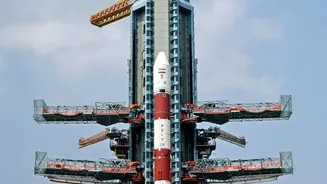
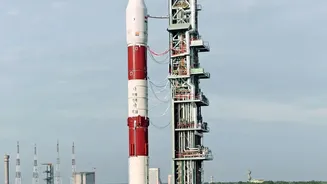
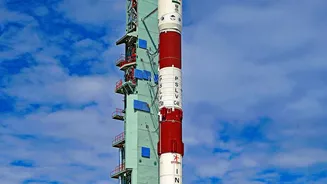
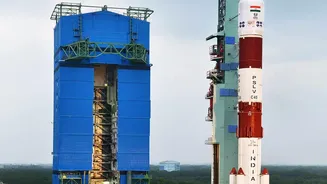
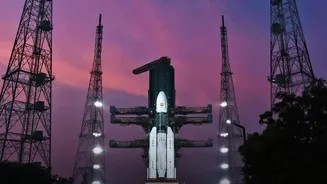
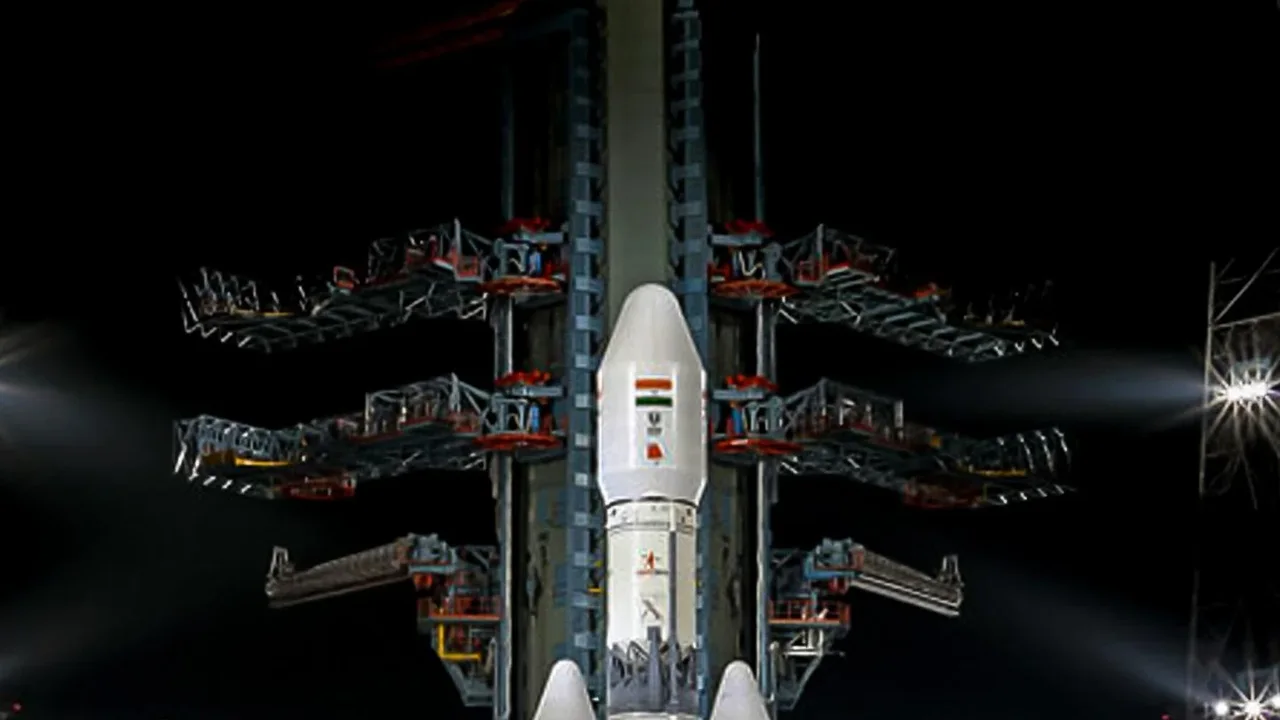
India's journey in space has historically been a government-led endeavour, with the Indian Space Research Organisation (ISRO) as its sole flag-bearer. However, recent policy reforms, particularly the Indian Space Policy of 2023, have unlocked the sector
for private enterprise. This isn't about replacing ISRO, but about expanding the entire ecosystem. The government established the Indian National Space Promotion and Authorisation Centre (IN-SPACe) as a single-window agency to promote and authorise the activities of private companies. This strategic shift aims to grow India's share of the global space economy from its current 2-3% and is projected to create over 200,000 new jobs in the coming years.
Meet the New Private Players
The liberalisation has led to a boom in space startups, with over 300 now active across the country. These companies are not just vendors to ISRO anymore; they are building their own rockets, satellite constellations, and downstream applications. Key players like Skyroot Aerospace and Agnikul Cosmos are developing their own launch vehicles to offer cost-effective satellite launch services. Others, such as Pixxel and Dhruva Space, are focused on building and operating satellites for earth observation and providing comprehensive space solutions. Companies like SatSure are leveraging satellite data to provide analytics for agriculture and infrastructure, demonstrating the diverse commercial applications driving the industry.
Beyond Rocket Science: The Jobs Available
The stereotype of a space career being limited to aerospace engineers is officially outdated. While that role remains crucial, the private space boom has created demand across a wide spectrum of specialisations. Aerospace software engineers are highly sought after to develop flight software and autonomous systems. The explosion in satellite data has created a need for remote sensing and GIS experts who can turn raw imagery into actionable insights for various sectors. Roles in electronics, propulsion engineering, systems architecture, and avionics are multiplying. Furthermore, the industry now requires professionals in non-technical fields like business development, finance, marketing, and even space law and policy to navigate the new commercial landscape.
The Skills for India's Final Frontier
To launch a career in this new era, a specific skill set is becoming essential. A strong foundation in engineering—be it aerospace, mechanical, electronics, or computer science—is the most common entry point. Proficiency in programming languages like Python, C++, and MATLAB is now critical across most technical roles for simulation and data analysis. Experience with design and analysis software such as CATIA and ANSYS is also highly valued. Beyond technical prowess, companies are looking for systems thinking—the ability to understand how complex subsystems work together—and strong problem-solving skills. As the sector draws talent from adjacent fields like automotive and data analytics, adaptability and a willingness to learn are key.
ISRO's Evolving Mission
With private players taking over routine manufacturing and operational launches, ISRO is not diminishing but evolving. The space agency is now free to concentrate its resources and formidable expertise on advanced research and development. Its future focus will be on frontier science, next-generation technologies, human spaceflight missions like Gaganyaan, deep-space exploration, and projects of strategic national importance. ISRO will act as a mentor, a knowledge partner, and a facilitator for the private sector, transferring mature technologies and opening its world-class infrastructure to help startups grow. This collaborative model positions ISRO as the bedrock of a much larger, more dynamic national space ecosystem.