



Peaches and Nectarines
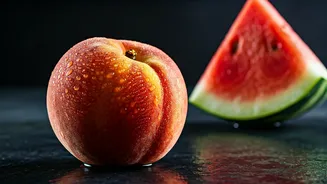
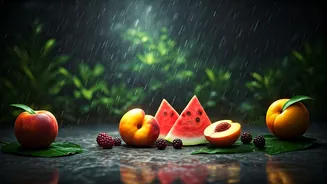
There is no greater symbol of summer than a perfectly ripe peach, its fuzzy skin giving way to fragrant, dripping juice. By late August and early September, we’re tasting the grand finale of peach season. These late-harvest fruits have spent the whole
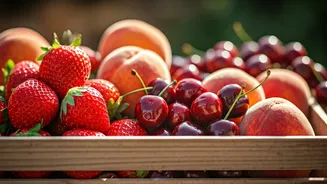
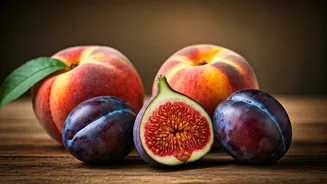
summer soaking up sun, resulting in a concentrated, syrupy sweetness you just won’t find in their off-season, mealy counterparts. When you’re at the market, trust your nose. A ripe peach should smell intoxicatingly sweet. Look for vibrant, creamy yellow or golden backgrounds, with a rosy blush but no green tints, especially near the stem. It should yield gently to pressure, but not be mushy. For a classic end-of-summer dessert, slice them in half, brush with a little oil, and grill until caramelized. Serve warm with a scoop of vanilla ice cream. To save the flavor, slice ripe peaches and freeze them in a single layer on a baking sheet before transferring them to a freezer bag. They're perfect for smoothies and pies all winter long.
Plums and Pluots
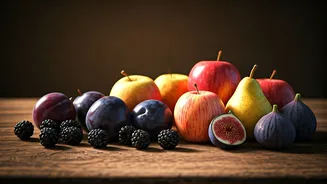
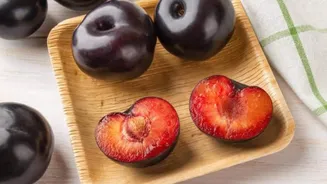
Often living in the shadow of the peach, late-season plums and pluots (a hybrid of a plum and an apricot) are a true delight. They come in a dazzling array of colors—from deep purple and crimson red to sunny yellow—each with a unique balance of sweet and tart. Their skin has a satisfying snap that gives way to a firm but juicy interior. This is your last chance for the tender, flavorful varieties before the tougher, less-flavorful storage types take over. Look for plums that are plump and feel heavy for their size, with smooth skin that has a slight powdery, whitish bloom—a natural sign of freshness. Avoid any with blemishes or soft spots. While fantastic eaten out of hand, their tartness shines when cooked. Try making a simple rustic galette or a quick stovetop jam to spoon over yogurt or toast. They also freeze well; just halve them, remove the pit, and store in an airtight container.
Blackberries and Raspberries
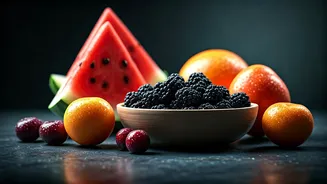
While you can find berries year-round, the flavor of a locally grown, in-season blackberry or raspberry is in another league. The ones you find now are often from the second, late-summer bearing, offering a deep, wine-like flavor that imported winter berries can’t replicate. They're incredibly fragile and don’t travel well, which is why the local ones you buy at the farmers market this time of year are so special—they were likely picked just a day or two before. Choose berries that are plump, dry, and deeply colored, avoiding any that look shrunken or have started to leak juice in their container, which is a sign of mold. Don't wash them until you're ready to eat, as moisture will hasten their decline. Beyond your morning cereal, try gently muddling them with a little sugar and lime juice for a spectacular base for cocktails or sparkling water. For longer storage, gently rinse, pat completely dry, and freeze them in a single layer on a parchment-lined tray before bagging.
Figs
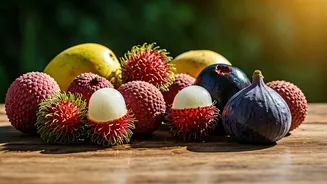
Figs are the definition of a fleeting luxury. With their delicate skin and jammy, seed-studded interior, they have an incredibly short shelf life and a brief season that makes their appearance feel like an event. Most fig varieties have two crops: a small one in early summer and a main, more abundant one in late summer and early fall. This is the main event, and once it's over, fresh figs are gone until next year. Select figs that are soft to the touch, have a rich, deep color, and are starting to bend at the neck. A perfect fig might even have a small tear in the skin with a bit of syrupy nectar showing. They are best eaten within a day or two of purchase. For an effortlessly elegant appetizer, slice them in half and serve with prosciutto, goat cheese, and a drizzle of honey. If you end up with too many, they make a phenomenal jam or preserve.
Melons
The final, truly great watermelons and cantaloupes are still rolling into markets, but not for long. These are the ones that feel impossibly heavy, a sign they’re saturated with water and sugar. The subtle art of picking a good melon is a skill worth honing for these last few weeks of summer. Soon, you'll only find melons that have traveled thousands of miles, picked under-ripe to survive the journey. For a watermelon, look for one that is symmetrical, heavy, and has a creamy yellow spot on its underside where it rested on the ground to ripen. For a cantaloupe, seek out a melon with a prominent, textured netting and a sweet, musky aroma at the stem end. It should give slightly when pressed there. The classic way to enjoy them is sliced and chilled, but try cubing watermelon and cantaloupe together with feta cheese, fresh mint, and a squeeze of lime for a refreshing late-summer salad.