







Why Your Scalp Matters Most
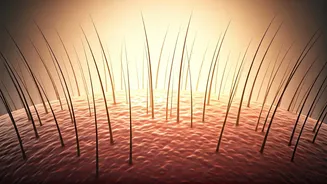
Your scalp is not just the skin on your head; it's a complex ecosystem. Each strand of hair on your head grows from a follicle, a tiny pocket embedded within the scalp. The health of this follicle directly determines the quality of the hair it produces.
When follicles are clogged with oil, dead skin cells, or product buildup, it can stifle hair growth, leading to thinner, weaker strands. Furthermore, an inflamed or irritated scalp creates a stressful environment for hair follicles, potentially accelerating shedding and inhibiting new growth. By focusing on scalp health, you are addressing hair concerns at the root—literally.
Reading the Signs of Distress
How do you know if your scalp is unhappy? It will usually send clear signals. Persistent itching, visible flakes (dandruff), redness, and a feeling of tightness are all classic signs of irritation. You might also notice excessive oiliness, which can be a sign that your scalp's natural oil production is out of balance, or unusual dryness and flaking. Sometimes, you might experience sensitivity or soreness, especially when you touch your scalp or brush your hair. These symptoms aren't just annoyances; they are your body's way of telling you that the scalp environment needs attention and care.
Master the Art of Cleansing
Proper cleansing is the cornerstone of a healthy scalp. The key is to wash effectively, not just frequently. Focus on massaging your shampoo directly onto the scalp with your fingertips (not your nails) for at least a minute. This helps to break down oil and lift away debris. While daily washing isn't necessary for everyone, allowing sweat, oil, and product to build up for too long can lead to problems. Choose a shampoo suited to your scalp type—hydrating formulas for dry scalps, and clarifying or balancing formulas for oily ones. Rinse thoroughly with lukewarm water, as very hot water can strip the scalp of its natural oils and cause irritation.
The Case for Scalp Exfoliation
Just like the skin on your face, your scalp benefits from regular exfoliation. This process removes the stubborn buildup of dead skin cells, excess sebum, and styling product residue that a regular shampoo might miss. Exfoliation helps to keep follicles clear, promoting healthier hair growth and reducing issues like flakiness. You can use a physical scrub with gentle particles or a chemical exfoliant with ingredients like salicylic acid or glycolic acid. Aim to exfoliate once a week or once every two weeks, depending on your scalp's needs. Be gentle; the goal is to purify, not to scrub your scalp raw.
Nourish and Protect
Beyond cleaning, nourishing your scalp is crucial. This starts from within; a balanced diet rich in vitamins and minerals and staying hydrated are essential for healthy hair growth. Topically, you can introduce scalp serums or treatments into your routine. Look for products with soothing ingredients like aloe vera, anti-inflammatory agents like tea tree oil for oily or acne-prone scalps, or hydrating molecules like hyaluronic acid for dry scalps. When applying conditioners and heavy hair masks, focus on the mid-lengths and ends of your hair, avoiding direct application on the scalp to prevent weighing down the roots and clogging pores.