



More Than a Machine
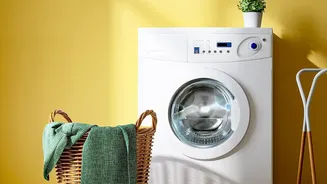
For young professionals and students across India, shared accommodation is a financial and social necessity. The washing machine, like the last slice of pizza or the corner of the sofa, becomes a symbol. It represents a contest over limited resources,
personal time, and basic respect. When a flatmate leaves their wet clothes in the drum for hours, the frustration isn't just about the delay. It’s about feeling like your time and needs are invisible. The core psychology of shared living is a constant negotiation between a need for community and a desire for personal autonomy and privacy. Every minor conflict, from a forgotten chore to a noisy late-night call, can feel like a major personal slight.
The Unwritten Rulebook
Every shared flat operates on a set of invisible rules. Do you clean the kitchen immediately after cooking, or is 'later' acceptable? Are overnight guests okay, and how much notice is required? What about groceries—are spices communal property, or is everything off-limits unless explicitly offered? These unwritten laws are where the real trouble brews. One person’s “clean enough” is another’s mess. One flatmate’s friendly borrowing is another’s boundary violation. Since these expectations are rarely discussed upfront, conflicts fester. People resort to passive-aggressive tactics like leaving pointed notes or letting a full bin overflow as a silent message.
Mismatched Lifestyles and Finances
At the heart of many flatmate disputes are fundamental differences in lifestyle and financial habits. A person who works from home has a completely different relationship with the space than someone who is out from 9 to 9. A meticulous neat freak and a creatively messy artist will inevitably clash over the state of the living room. These aren't character flaws; they're simply different ways of living. Financial disparities also create tension. One person might want to split the cost of a new microwave, while another is struggling to make rent. Disagreements over splitting bills, borrowing money without asking, or a flatmate's partner effectively moving in without contributing can strain relationships to their breaking point.
The Communication Chasm
Ultimately, almost every shared-flat problem is a communication problem in disguise. It’s easier to get annoyed about a pile of dirty dishes than to have an awkward conversation about cleanliness standards. Experts suggest that many conflicts can be avoided by setting clear ground rules and expectations from the very beginning. This doesn’t have to be a rigid, formal contract. It can be a simple, open conversation about habits, quiet hours, guests, and how to handle disagreements. Using “I” statements, such as “I feel stressed when the kitchen is messy,” is more effective than accusatory language like “You never clean up.” This approach encourages collaboration rather than defensiveness.