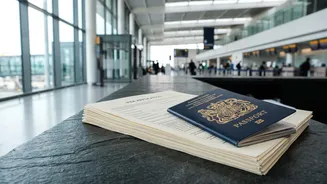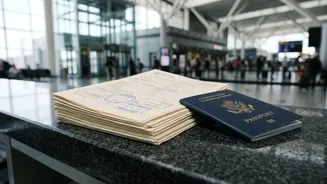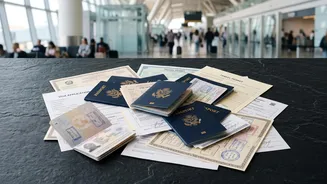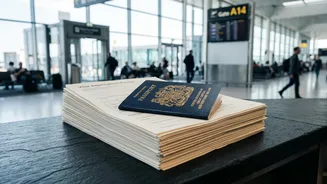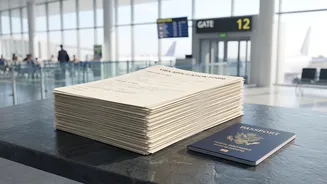





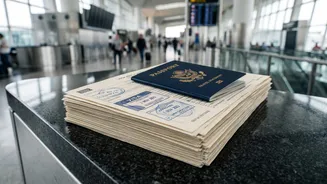
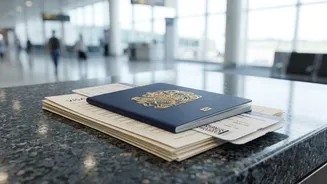
The dream of international travel is often one of seamless adventure. But for a growing number of people, that dream is hitting a wall of bureaucracy. A new report reveals that complex entry rules are no longer a minor hassle, but a major barrier.
A Growing Barrier to Travel
The
core finding from the International Air Transport Association's (IATA) 2026 Global Passenger Survey is stark: 43% of travellers have actively avoided a destination specifically because of its immigration requirements. This figure represents a significant jump from 33% in 2025, indicating that as global travel recovers, administrative friction is becoming an increasingly powerful deterrent. The survey, which gathered responses from over 10,000 people across more than 200 countries, highlights a clear trend. While travellers are eager to explore the world, the prospect of navigating complicated, confusing, or costly entry procedures is enough to make them choose another, more accessible destination.
Complexity, Not Cost, Is the Main Culprit
When travellers are put off by entry requirements, it is not primarily about the expense. The IATA survey found that for the majority—53% of those deterred—the main issue was the sheer complexity of the process. In comparison, cost and data privacy concerns were each cited by only 17% of these respondents. This 'complexity' can mean many things: confusing online application portals, lengthy documentation requirements, uncertainty about processing times, or the need to visit a consulate in person. While over 100 countries now offer electronic visas (eVisas), a lack of common standards means the experience can be inconsistent and frustrating, undermining the goal of simplification.
The Economic Ripple Effect
When nearly half of potential visitors are discouraged, the economic consequences are significant. Destinations that are perceived as difficult to enter lose out on valuable tourism revenue, which affects everything from airlines and hotels to local restaurants and tour operators. Studies have consistently shown that restrictive visa policies have a direct negative impact on tourist arrivals, with some research indicating that imposing a visa requirement on a country can reduce inbound travel from that nation by as much as 70%. Conversely, simplifying these processes through measures like visa waivers or streamlined e-visa systems has been shown to boost visitor numbers, encourage longer stays, and increase spending. The IATA findings suggest that countries with complicated entry rules are actively losing their competitive edge in the global tourism market.
A Digital Paradox: Passengers Want Simpler, Smarter Borders
The frustration with entry rules comes at a time when passengers are otherwise embracing technology. The same IATA survey shows a high willingness to use digital tools to make travel smoother. For instance, 78% of travellers are willing to share biometric information if it means a faster, more seamless airport experience, and 60% would much rather apply for a visa online than in person. Furthermore, 86% of passengers say they are likely to share their immigration information digitally before departure to speed things up. This creates a paradox: travellers are ready for a digital, streamlined future, but are often held back by outdated or poorly implemented government processes. IATA and other industry bodies are calling on governments to adopt common standards for Digital Travel Credentials (DTCs) to bridge this gap.