





A Landscape Reborn
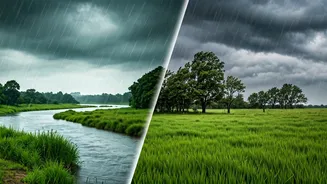
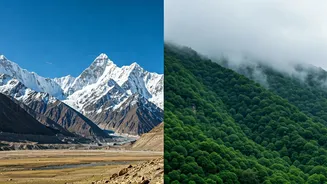
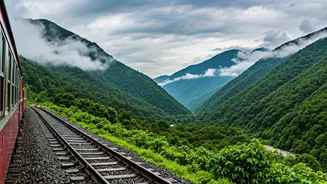
When the monsoon arrives, it’s as if India gets a new coat of paint. The dusty browns of summer are washed away, replaced by vibrant, saturated greens. This transformation is a spectacle in itself, turning several regions into prime travel destinations.
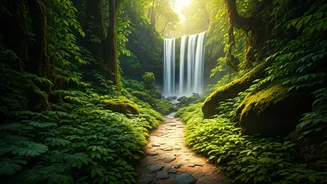
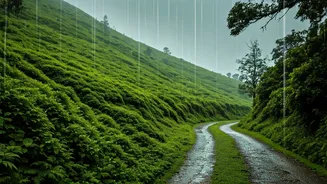
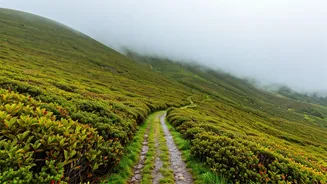
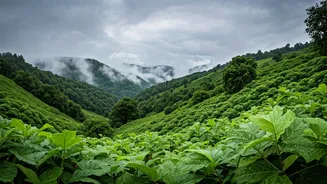
The Western Ghats, a mountain range running parallel to the country's west coast, come alive with roaring waterfalls and misty peaks. Places like Lonavala and Mahabaleshwar in Maharashtra become popular weekend getaways, offering lush views and dramatic landscapes. Further south, Kerala’s famous backwaters and tea gardens in Munnar take on a dreamy, ethereal quality under the rain-swept skies. Even the arid landscapes of Rajasthan offer a unique charm, with cities like Udaipur feeling more romantic as rain fills the lakes and cools the air. Travellers are increasingly seeking out these experiences, realising that the monsoon doesn't close India down; it just reveals a different, more immersive side of its beauty.
The Science of a Rainy Day Craving
Why is it that the moment it starts to pour, we crave something hot, crunchy, and comforting? There’s a psychological and biological reason for this. The gloomy, overcast weather can cause a dip in serotonin, our body's mood-regulating neurotransmitter. To counteract this, our brain seeks a quick fix, often in the form of carbohydrates and fatty foods, which can provide a temporary boost. There’s also a sensory component; the sound and sight of sizzling hot food provides a satisfying contrast to the damp, cool weather outside. This universal craving for comfort food takes on a distinctly Indian flavour during the monsoon, linking the weather to a rich culinary tradition built around satisfying those rainy-day pangs.
A Platter of Monsoon Delights
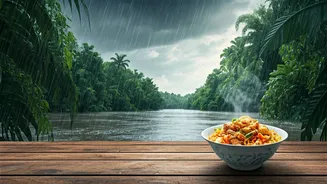
Across India, the monsoon is synonymous with a specific menu of snacks, often enjoyed with a steaming cup of masala chai. Crispy fritters, known as pakoras or bhajiyas, are arguably the kings of monsoon snacking. Made by dipping vegetables like onions, potatoes, or spinach in a spiced chickpea flour batter and deep-frying them, they are the perfect warm and crunchy treat. Another staple is the samosa, a flaky pastry filled with spiced potatoes and peas, best enjoyed piping hot. Street vendors also do a brisk trade in roasted corn on the cob (bhutta), seasoned with salt, chilli, and lime. In different regions, you'll find local specialities, from Bengal's Beguni (eggplant fritters) to Maharashtra's Batata Vada. These foods aren't just snacks; they are part of a cultural ritual, bringing people together to enjoy the simple pleasure of good food while listening to the rhythm of the rain.
The Lifeblood of the Land
The connection between rain and food in India goes much deeper than just cravings. The monsoon is the lifeblood of the nation's agriculture. A successful rainy season is crucial for the cultivation of essential crops like rice, maize, and cotton, directly impacting the country's economy and food security. This agricultural cycle has shaped culinary habits for centuries, with many indigenous food systems built around monsoon produce. The season brings a bounty of specific vegetables and greens that thrive in the wet conditions. This deep-rooted dependence on the rains is celebrated in numerous festivals across the country, like Teej in northern India and Onam in Kerala, which honour nature's role in providing sustenance. These celebrations are a vibrant reminder that the link between the weather and what's on our plate is ancient and profound.
Embracing the Monsoon Journey
The perception of monsoon travel in India is undergoing a significant shift. Once seen as an off-season, it's now celebrated by those looking for a more peaceful and authentic experience. Destinations like Coorg and Wayanad in the south, or Shillong and Cherrapunji in the northeast, offer breathtaking natural beauty with fewer crowds. Planning a monsoon trip requires a bit of preparation—waterproof gear is a must, and it's wise to be aware of potential travel disruptions—but the rewards are immense. It's a chance to see waterfalls like Athirappilly in Kerala or Jog Falls in Karnataka in their full, majestic glory and to experience the landscape at its most vibrant. The season offers a sensory feast, from the scent of wet earth to the taste of freshly brewed tea in a misty hill station.