





The 'Natural' Label: What It Really Means
The word 'natural' on a food package can feel reassuring, but it's one of the most misunderstood terms in the grocery aisle. In the United States, the Food and Drug Administration (FDA) has a loose policy rather than a strict, enforceable rule. Generally,
the FDA considers 'natural' to mean that nothing artificial or synthetic has been added to a food that wouldn't normally be expected in it. This includes artificial flavours and colour additives. However, this doesn't mean the product is automatically healthy, organic, or free from genetically modified ingredients. Most importantly, a 'natural' label says nothing about the product's sugar content. A product can be made with 'natural' ingredients and still be loaded with sweeteners like high-fructose corn syrup, which many consumers would not consider natural.
Sugar By Any Other Name
Food manufacturers use dozens of different names for added sugars on ingredient lists. This can make it difficult to spot them if you're only looking for the word 'sugar'. One of the easiest tricks is to look for words ending in '-ose', such as sucrose, dextrose, fructose, and maltose. But the list doesn't stop there. Syrups are another major category, including high-fructose corn syrup, brown rice syrup, malt syrup, and agave nectar. Even ingredients that sound healthy, like honey, maple syrup, fruit juice concentrate, and coconut sugar, are considered added sugars when used in a product. Because ingredients are listed by weight, some manufacturers use several different types of sweeteners. This allows each one to appear lower on the list, potentially masking the product's total sugar load.
Decoding the Nutrition Facts Label
Fortunately, recent updates to the Nutrition Facts label make it much easier to see exactly what you're consuming. All packaged foods are now required to list 'Added Sugars' as a separate line item underneath 'Total Sugars'. 'Total Sugars' includes both naturally occurring sugars (like lactose in milk or fructose in fruit) and any sugars added during processing. The 'Added Sugars' line isolates the latter, giving you a clear picture of how much extra sweetener is in your food. The label also shows a percent Daily Value (%DV) for added sugars, based on the recommendation to limit them to less than 10% of your daily calories. A good rule of thumb is that 5% DV or less per serving is considered low, while 20% DV or more is high.
Common Culprits Hiding in Plain Sight
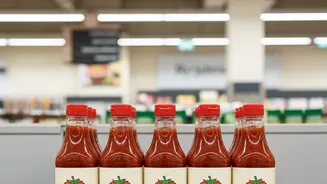
You might be surprised where added sugars are hiding. While desserts and sugary drinks are obvious sources, many savoury and 'healthy' foods are also major contributors. These include breakfast cereals, even those marketed to adults, which can contain significant amounts of sugar. Flavoured yoghurts are another common source; while plain yoghurt has natural milk sugar, the 'fruit' flavourings are often packed with sweeteners. Other surprising sources include pasta sauces, salad dressings, ketchup, bread, and protein bars. Even seemingly wholesome items like granola, instant oatmeal, and canned fruit can contain high levels of added sugar, turning a potentially healthy snack into a sweet treat.
Why Limiting Added Sugar Matters
Consuming too much added sugar has been linked to a range of health issues. Over time, a high-sugar diet can contribute to weight gain, blood sugar problems, and an increased risk of developing type 2 diabetes. It's also associated with a greater risk of heart disease by contributing to higher blood pressure, chronic inflammation, and elevated triglyceride levels. Excessive sugar intake is also a factor in non-alcoholic fatty liver disease and can lead to energy crashes and mood swings. Health authorities like the American Heart Association recommend that most women consume no more than 25 grams (about 6 teaspoons) of added sugar per day, and most men no more than about 36 grams (9 teaspoons).