



What 'High-Protein' Really Means
The term 'high-protein' is used frequently, but what does it mean for your first meal of the day? Nutrition experts suggest that a breakfast containing 20 to 30 grams of protein is an effective target for promoting satiety and managing appetite throughout
the morning. Many typical Indian breakfasts, such as poha or upma, often provide only 6 to 12 grams of protein on their own. While nutritious, they don't quite meet the 'high-protein' benchmark without specific additions. Hitting that 20-30 gram goal helps regulate energy levels and prevent the mid-morning slump that often follows a carbohydrate-heavy meal.
The Power Players: Top Egg-Free Ingredients
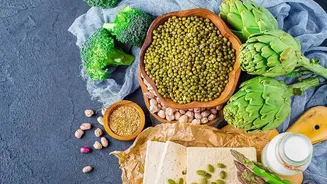
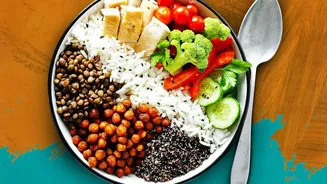
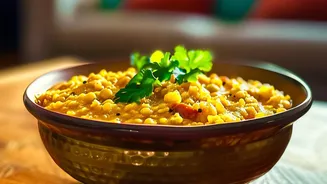
Building a protein-rich breakfast without eggs is simple when you know which ingredients pack the most punch. Paneer is a champion, offering around 18-20 grams of protein per 100g. Lentils and legumes are also fantastic; a savoury pancake like moong dal chilla can provide 9 to 18 grams of protein for a two-chilla serving, depending on the recipe. Tofu is another excellent option, particularly for vegans, with firm varieties containing about 8-17 grams of protein per 100g. Don't forget Greek yogurt (or hung curd), which is strained to concentrate its protein to about 9-10 grams per 100g, compared to 3-4 grams in regular dahi. Finally, nuts, seeds, and sattu (roasted gram flour) are easy ways to boost any meal.
Breakfasts That Aren't As Protein-Rich As You Think
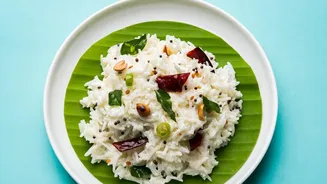
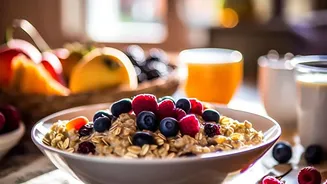
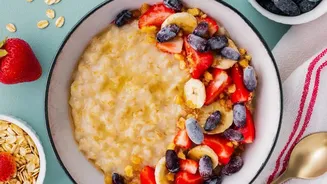
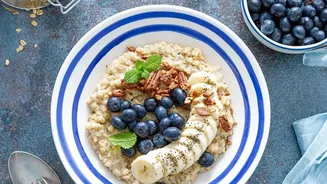
Many healthy breakfast staples are not inherently high in protein. For instance, a standard plate of poha (flattened rice) on its own contains only about 3-7 grams of protein. It's the additions—like a generous handful of peanuts or sprouts—that can boost the total to a more respectable 12-15 grams. Similarly, a bowl of plain oatmeal provides only about 5 grams of protein. While these are healthy choices rich in fibre and carbohydrates for energy, they require fortification to be considered a high-protein meal. Relying on them alone won't keep you as full as a meal designed around a primary protein source.
How to Build a Smarter Breakfast
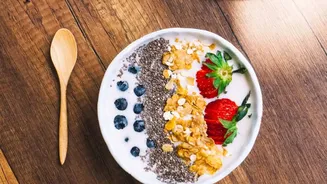
The secret to a successful high-protein vegetarian breakfast is combination and fortification. Instead of a plain bowl of oats, stir in a tablespoon of chia seeds and top with nuts and Greek yogurt. This can easily double or triple the protein content. When making poha, be generous with peanuts, or even add some crumbled paneer or tofu. Transform a simple moong dal chilla into a protein powerhouse by stuffing it with spiced paneer bhurji, which can push a serving to 30 grams of protein. Think of your breakfast base—be it oats, poha, or a smoothie—as a canvas, and the protein sources like paneer, tofu, nuts, seeds, and Greek yogurt as the essential colours you need to add.
Three High-Protein Breakfast Examples
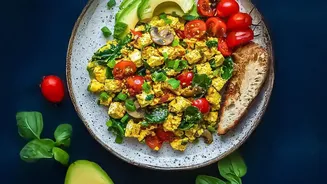
Putting it all together, here are a few ideas to get you started: 1. Paneer or Tofu Bhurji: A 150g serving of paneer, scrambled with onions, tomatoes, and spices, can deliver over 25 grams of protein. Paired with a slice of whole-wheat toast, it's a complete and satisfying meal. A tofu scramble offers a comparable vegan alternative. 2. Stuffed Moong Dal Chilla: Two medium-sized moong dal chillas can provide around 18 grams of protein. Stuff them with 50g of crumbled paneer, and you'll add another 9-10 grams, easily reaching the high-protein target. 3. Greek Yogurt Bowl: A 200g serving of plain Greek yogurt offers about 18-20 grams of protein. Top it with a tablespoon each of chia seeds and chopped almonds to add another 5-6 grams of protein, along with healthy fats and fibre.