





The Vacation Hangover Is Real
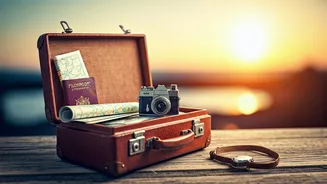
Picture this: you’ve just returned from a week-long trip to a place you’ve always dreamed of visiting. Your phone is full of photos, your Instagram grid is immaculate, but your body feels like it’s run a marathon. You’re exhausted. This feeling, the 'vacation
hangover', is an all-too-common side effect of modern travel. We spend months planning, creating colour-coded spreadsheets, and booking back-to-back activities, all in a frantic effort to 'maximise' our time away. We treat our holidays like a project to be completed, a checklist of monuments, museums, and 'must-try' restaurants to tick off. The result? We come home more burnt out than when we left, having mistaken sightseeing for relaxation.
Enter: The ‘Do-Less’ Philosophy
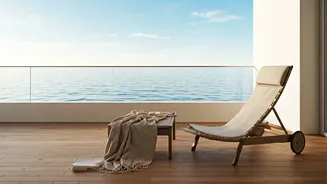
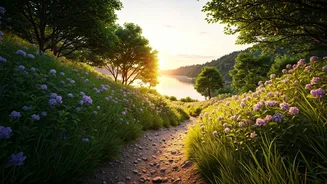
This collective exhaustion has given rise to a powerful counter-movement: do-less travel. It’s also known as slow travel or a 'nothing-cation'. The idea is simple yet revolutionary: what if the primary goal of a vacation was to actually rest? Do-less travel isn't about being lazy; it's about being intentional. It means swapping the frantic 5-cities-in-7-days itinerary for a longer stay in a single location. It’s about choosing depth over breadth, quality over quantity. Instead of waking up at dawn to beat the crowds at a tourist trap, you might wake up without an alarm, wander to a local café, and spend the afternoon reading a book by a lake or simply watching the world go by. It’s a conscious uncoupling from the pressure to be productive, even on our days off.
A Rebellion Against Burnout
Why is this resonating so strongly now? Because it’s the perfect antidote to our 'always-on' culture. For many of us, especially millennials and older Gen Z, our work lives are defined by hustle culture, digital connectivity, and the looming threat of burnout. We’ve been conditioned to believe that every moment must be optimised. This mindset has inevitably bled into our leisure time. The perfectly curated travel reel on social media has turned vacations into a performative act. We’re not just seeing the sights; we’re documenting them for an audience. Embracing do-less travel is peak adulting energy because it represents a conscious choice to prioritise genuine well-being over external validation. It’s the mature realisation that the most valuable souvenir you can bring back from a trip is a restored sense of self, not just a good photo.
Overcoming the Fear of Missing Out
The biggest hurdle to adopting a do-less approach is FOMO (Fear of Missing Out). Your brain screams, “You flew all this way and you’re not going to see the famous fortress/waterfall/temple?” This is where the philosophy requires a mental shift towards JOMO (the Joy of Missing Out). The joy comes from understanding what you’re gaining: spontaneity, serenity, and a real connection to a place. When you’re not rushing, you notice the little things — the way the light hits a building in the late afternoon, the daily routine of the shopkeeper next door, the taste of a truly local dish you discovered by chance. These are the memories that stick, long after the glamour of the big-ticket sights has faded. It’s about trading a frantic, surface-level experience for a deeply immersive and personal one.
How to Actually Do Less
Embracing this mindset doesn't require a strict set of rules, which would defeat the purpose. It’s more about a change in perspective. Start by booking a longer stay in one place. Pick one, maybe two, 'must-do' activities for the entire trip and leave the rest of your days intentionally blank. Give yourself permission to have no plans. Sleep in. Go for a walk without a destination. Re-read a favourite book. Sit in a park. The goal is to release yourself from the obligation to be entertained and instead, create space for simple, restorative pleasures. It is in these quiet, unplanned moments that the true magic of travel — and rest — reveals itself.