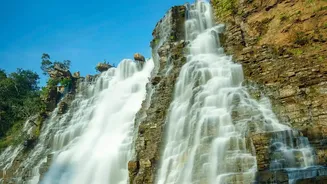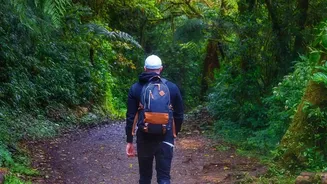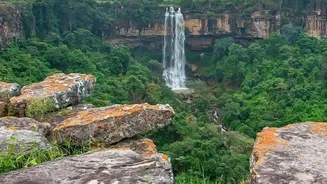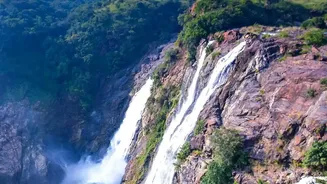

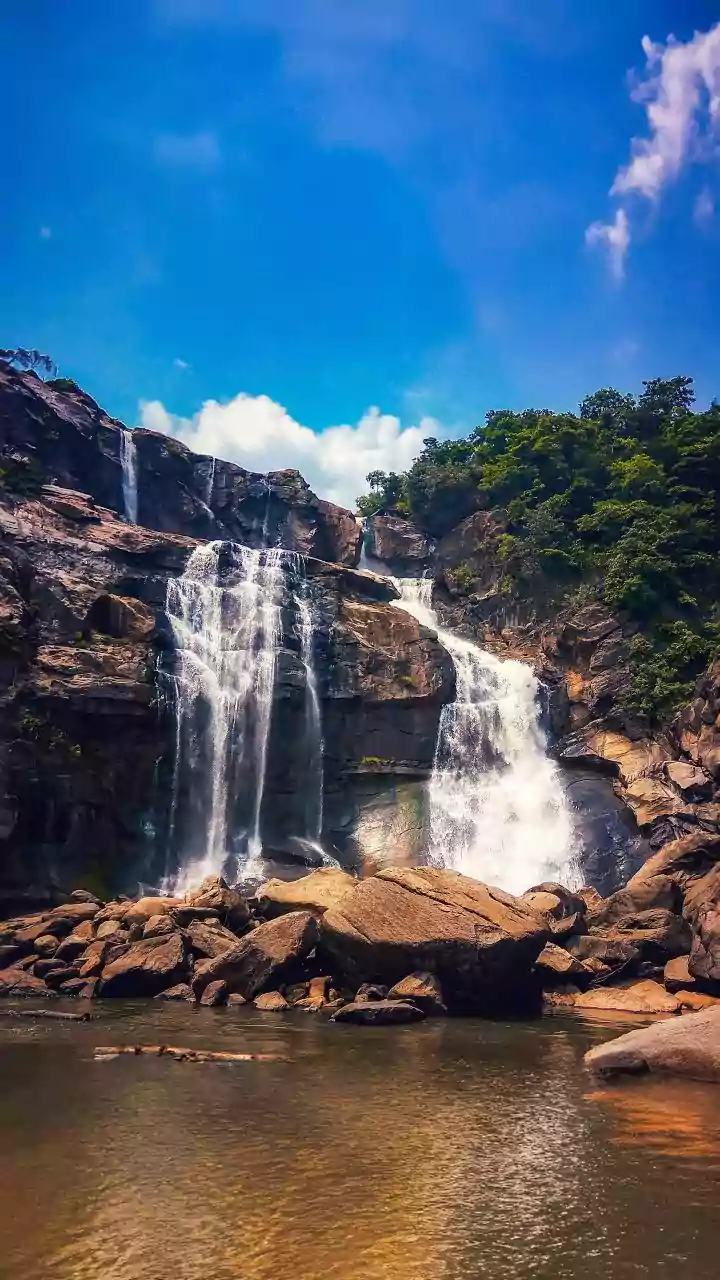
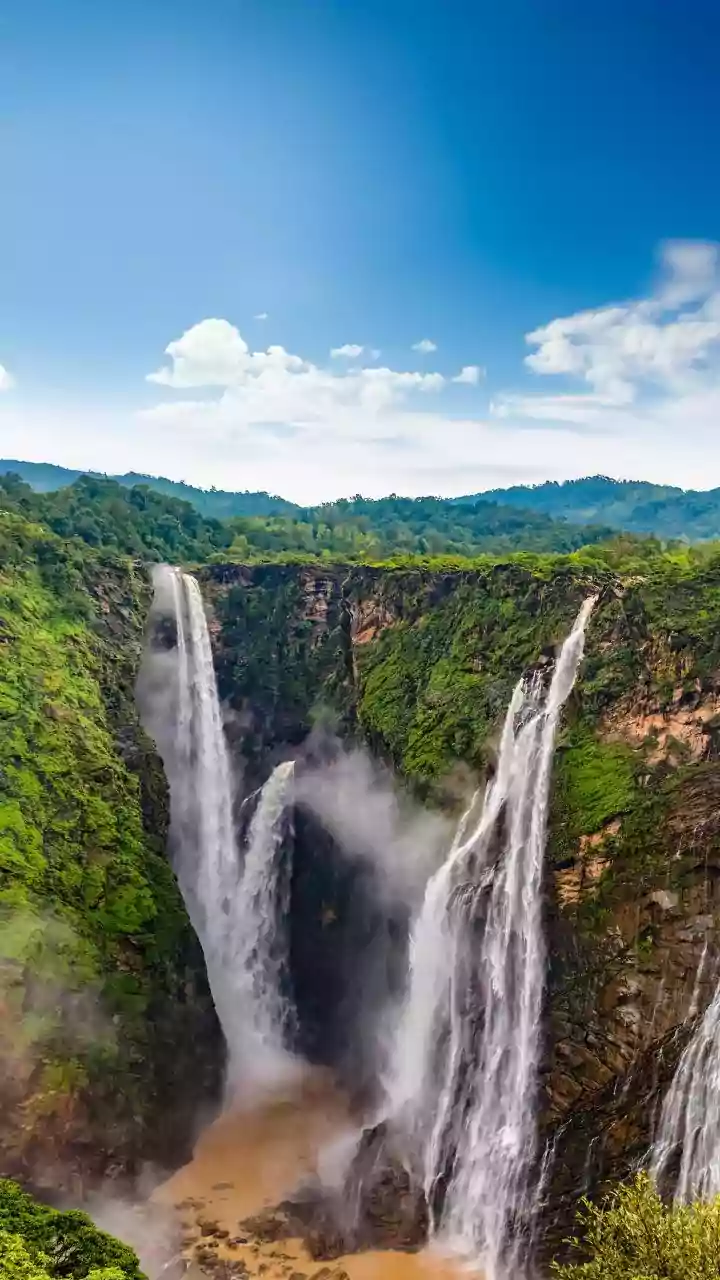


The monsoon has washed the Western Ghats clean, leaving behind a vibrant, green paradise. For trekkers, this is the golden season in Karnataka. But before you lace up your boots, know that new safety rules have changed how we explore these trails.
Online Booking and Permits Are Mandatory
The
days of spontaneous treks into protected forests are over. The Karnataka Forest Department has implemented a mandatory online booking system for all its designated trails to manage visitor numbers and enhance safety. Trekkers must register and book their slots in advance through the official Karnataka Eco-Tourism portal, 'Aranya Vihara'. Spot bookings are not allowed, and you will be denied entry without a valid, pre-booked permit. Each trail has a daily limit on the number of trekkers, so booking well in advance, especially for popular routes on weekends, is crucial. You will need to provide your full name and valid government ID details during booking and carry the same ID for verification at the trek's starting point.
No Guide, No Trek
Perhaps the most significant new rule is that trekking without a certified nature guide is no longer permitted on any approved Forest Department trail. This rule was introduced following several safety incidents in early 2026. The department now assigns one local guide for every group of ten trekkers. Even if you are a solo trekker, a guide will be provided to you. These guides are equipped with GPS-enabled walkie-talkies to maintain regular contact with the base camp, ensuring that groups are monitored and can receive help quickly if needed. They are responsible for keeping the group together, conducting headcounts at rest points, and ensuring no one is left behind.
Technology-Led Safety and Tracking
To further improve safety in areas with poor mobile connectivity, the department has embraced technology. In addition to the guides' walkie-talkies, trekkers may be required to install a temporary mobile app on their phones. This app contains trekking route maps and allows forest officials to track your location, making it easier to find you if you get lost. Guides are required to communicate with the base camp every 30 minutes; if contact is missed for an hour, safety protocols are initiated.
Essential Gear for Post_Monsoon Conditions
Post_monsoon trails can be slippery and unpredictable. Your safety starts with the right gear. Waterproof trekking shoes with excellent grip are non_negotiable to handle muddy slopes and wet rocks. Opt for quick_drying synthetic or wool_blend clothing and avoid cotton, which absorbs moisture and can make you cold. A lightweight, waterproof rain jacket or poncho is essential, as weather can change quickly in the hills. Always carry a backpack with a rain cover to protect your belongings. Also pack a first_aid kit, insect repellent, a powerful torch, and a power bank.
Respect the Environment: Leave No Trace
The forests of the Western Ghats are ecologically sensitive zones rich in biodiversity. The 'Leave No Trace' principle is strictly enforced. Trekkers are required to carry a bag to collect all their waste, including food wrappers and plastic bottles, and bring it back to the base camp for proper disposal. Single_use plastics are prohibited on many trails. To protect the ecosystem, you must stay on designated paths and not venture into the wilderness. Campfires, loud music, and drones are strictly forbidden as they disturb the wildlife.
Rules for Minors and Special Groups
The new guidelines also have specific rules for certain groups. Minors wishing to trek must carry a written consent letter from their parents or legal guardians. Similarly, senior citizens are required to provide a fitness certificate from a medical professional confirming they are physically capable of undertaking the chosen trek. These measures are in place to ensure that all participants are adequately prepared for the physical demands of trekking in hilly terrain.