






Master the Art of Budgeting
The foundation of good financial health is knowing where your money goes. A popular and effective method is the 50/30/20 rule. This framework suggests allocating 50% of your take-home salary to 'Needs' like rent, utilities, groceries, and transport. The next
30% is for 'Wants', which covers lifestyle expenses like dining out, shopping, and entertainment. The final, and most crucial, 20% should be dedicated to savings and investments. Using a simple spreadsheet or a budgeting app can help you track your spending and see where you can cut back. The goal isn't to stop enjoying life, but to spend consciously and ensure your money is working towards your future goals.
Automate Your Savings
One of the most powerful habits you can build is to “pay yourself first.” Don’t wait until the end of the month to see what’s left to save. Instead, automate the process. Set up a standing instruction or an auto-debit from your salary account to a separate savings account on the day you get paid. This ensures your savings goal is met before you even begin spending. Many young professionals make the mistake of undersaving in their early career years. By automating a transfer of at least 10-20% of your income, you build a financial cushion without relying on willpower alone. This simple action builds discipline and a safety net for the future.
Build a Strong Credit Score
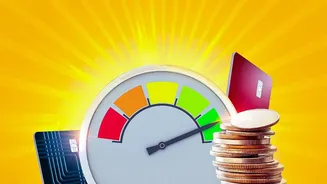
Your credit score is a three-digit number (typically from 300 to 900) that tells lenders how reliable you are with credit. A good score is essential for securing future loans for a car, home, or business at favourable interest rates. To build your score from scratch, you can start with a basic credit card or a small consumer durable loan. The golden rules are to always pay your bills on time and in full, as even one missed payment can lower your score. Another key factor is your credit utilisation ratio—the percentage of your available credit that you use. It's recommended to keep this below 30% to show lenders you are not overly reliant on credit.
Avoid High-Interest Debt Traps
With the rise of credit cards and 'Buy Now, Pay Later' (BNPL) services, it's easy to fall into a debt trap. While these tools offer convenience, their high interest rates can quickly spiral out of control if balances are not cleared. Make it a habit to pay your entire credit card bill each month, not just the minimum amount due. Be mindful of BNPL services, as they can encourage impulse spending and create debt habits early on. Before taking any loan, understand the interest rate and repayment terms clearly. Prioritising paying off any high-interest debt is crucial for your financial stability.
Start Investing, Even if It's Small
Delaying investments is a common mistake many young people make, often thinking they need a large sum to start. However, the power of compounding means that even small, regular investments made early in life can grow into a substantial corpus over time. A Systematic Investment Plan (SIP) in mutual funds is an excellent starting point. You can begin a SIP with as little as ₹500 or ₹1,000 per month. A SIP helps in disciplined investing and also benefits from rupee cost averaging, which reduces the impact of market volatility. The key is not to time the market, but to start early and stay consistent.
Create an Emergency Fund
Life is unpredictable. A sudden job loss, medical issue, or urgent family need can create immense financial stress if you are unprepared. An emergency fund is your financial safety net for such situations. Aim to save at least three to six months' worth of your essential living expenses. This fund should be kept in a separate, easily accessible savings account. Building this fund should be a priority, even before you start making aggressive investments. It prevents you from having to dip into your long-term investments or take on high-interest debt during a crisis.