

What Exactly Is Palm Jaggery?
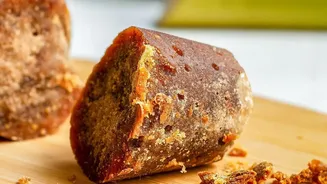
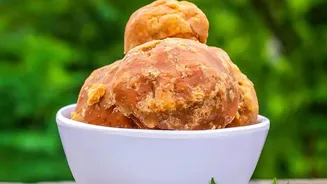
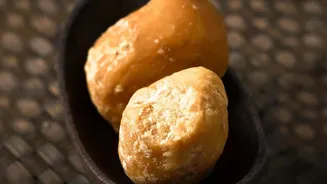
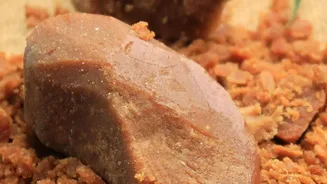
Palm jaggery is an unrefined sweetener made from the sap of palm trees, such as the palmyra or date palm. Unlike refined sugar, which undergoes intense chemical processing that strips it of all nutrients, palm jaggery is made using traditional methods.
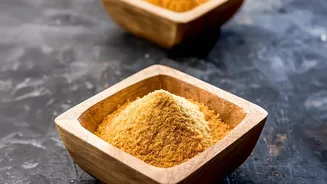
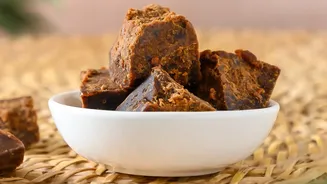
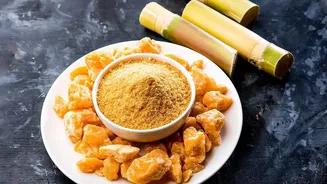
The collected sap is boiled, often over firewood, until it thickens into a rich, dark concentrate. This can be sold as solid blocks, or ground into a powder. The result is a sweetener with a distinctive smoky, caramel-like flavour, that has been a staple in Indian cuisine and Ayurvedic traditions for generations. More than 70% of the world's jaggery is produced in India, where it is sometimes referred to as “medicinal sugar”.
The 'Healthy' Debate: Is It Better Than Sugar?
The primary driver of this trend is health. Palm jaggery is often touted as a healthier choice, but it is important to understand why. While refined white sugar contains what experts call 'empty calories' with virtually no nutrients, palm jaggery retains minerals from the palm sap. It is a source of iron, potassium, magnesium, and calcium. Some proponents also highlight its lower glycemic index (around 35-43) compared to white sugar (around 60). This means it releases energy more slowly and is less likely to cause sharp spikes in blood sugar. However, nutrition experts caution that it is still a form of sugar. While it is a slightly better option due to the added micronutrients, it contains a similar number of calories to white sugar and should be consumed in moderation.
A Practical Guide for Home Bakers
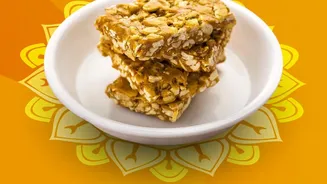
Thinking of making the switch? Baking with palm jaggery is a rewarding experience, but it’s not a one-for-one replacement in every recipe. Its unique flavour, often described as a mix of molasses and caramel, can beautifully complement cakes, cookies, and traditional Indian sweets. It works especially well in recipes with oats, nuts, and spices like cinnamon or ginger. Because of its dark colour, it will give your baked goods a rich, brown hue, similar to a whole wheat cake. When substituting, start by replacing white sugar with an equal amount of powdered palm jaggery. Be sure to melt and strain solid jaggery to remove any impurities before using it in a batter. Remember that its flavour is more complex than plain sugar, which can add a wonderful new dimension to your creations.
Choosing and Using Your Jaggery
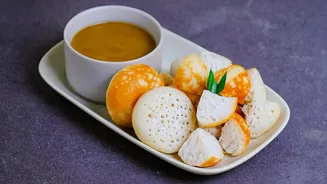
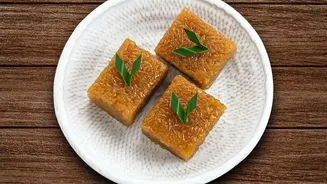
The growing popularity of palm jaggery means it's more accessible than ever. You can find it in most local markets and online, available in both solid blocks (known as 'karupatti') and as a free-flowing powder. When buying, opt for organic varieties from reputable brands to ensure they are free from additives and contaminants. For baking, powdered jaggery is often more convenient as it mixes easily into batters for cakes, cookies, and muffins. Solid jaggery is excellent for making syrups or for use in traditional sweets like payasam or halwa. This return to a traditional ingredient is part of a larger movement among Indian home bakers to fuse classic techniques with local, health-conscious ingredients, creating a new and exciting culinary landscape.