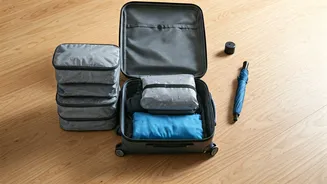









1. It Starts with the Suitcase Itself
Before you even think about what goes inside, consider the bag. Your trusty canvas duffel or soft-sided suitcase might not be the best choice. These materials can absorb moisture from the air, a damp luggage carousel, or a leaky car boot, making your
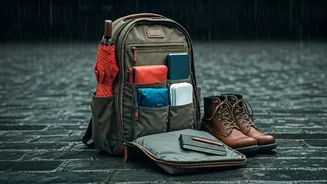
clothes feel slightly damp before you even unpack. A hard-shell suitcase offers superior protection against water. If you prefer a backpack or soft-sided bag, ensure it’s made of water-resistant material like nylon or polyester, and most importantly, invest in a snug-fitting rain cover. It’s a small, inexpensive accessory that can save your entire wardrobe from a sudden downpour.
2. Ditch Cotton, Embrace Synthetics
This is the golden rule of monsoon packing. Cotton is your enemy during the rains. It's highly absorbent, takes an eternity to dry in humid conditions, and feels heavy and cold against your skin when wet. Instead, build your travel wardrobe around synthetic and semi-synthetic fabrics. Think polyester, nylon, and rayon. These materials are lightweight, don't hold much water, and dry remarkably quickly, often overnight in a hotel room. Quick-dry t-shirts, synthetic-blend trousers, and light athletic wear are perfect. You’ll be able to wash and re-wear items easily, allowing you to pack lighter overall.
3. Your Footwear Must Be Grippy and Quick-Drying
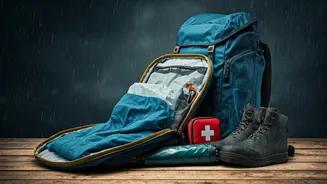
Slippery pavements, mossy stones, and muddy trails are a given. The wrong footwear isn’t just uncomfortable; it’s a safety hazard. Leave your leather shoes, canvas sneakers, and suede loafers at home—they will be ruined. Your best friends are rubber-soled floaters, Crocs-style clogs, or any open-style sandals with excellent grip. They don’t absorb water, can be rinsed clean easily, and provide the traction you need on wet surfaces. For more adventurous treks, a pair of waterproof hiking shoes with deep lugs is essential. Always pack at least two pairs of footwear so one can dry completely while you wear the other.
4. Build a Fortress for Your Electronics
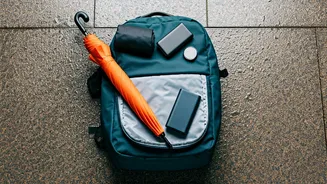
Water and electronics do not mix. High humidity alone can cause damage, let alone an actual splash or downpour. Your strategy here is simple: layers of protection. The humble zip-lock bag is a lifesaver. Pack your phone charger, power bank, and cables in separate zip-locks. For your phone and camera, consider a dedicated waterproof pouch or a small 'dry bag,' which are commonly available at outdoor and sports stores. These provide a reliable seal against water, allowing you to use your devices even in light rain. It’s a tiny investment that protects your most expensive and essential travel gadgets.
5. Don't Forget the Umbrella and Raincoat
This may seem obvious, but the choice matters. A flimsy, small umbrella will be useless in a windy downpour. Opt for a sturdy, wind-proof umbrella that offers good coverage. In parallel, pack a lightweight, breathable raincoat or poncho. A good rain jacket not only keeps you dry but also acts as a windbreaker on chilly, breezy evenings in the hills. Having both gives you options: the umbrella for quick dashes in the city and the raincoat for hands-free exploring during hikes or extended walks.
6. Pack a Mini Monsoon Health Kit
The monsoon can bring a few health concerns. Mosquitoes are more prevalent, so a good insect repellent is non-negotiable to protect against illnesses like dengue and malaria. The constant dampness can also lead to skin issues. Pack an anti-fungal powder to use on your feet and other areas prone to chafing to prevent infections. It's also wise to include antiseptic wipes, band-aids for small cuts that can get infected easily in the damp, and perhaps a few water purification tablets as a backup for when you're unsure of the water source.
7. Separate Wet from Dry Inside Your Bag
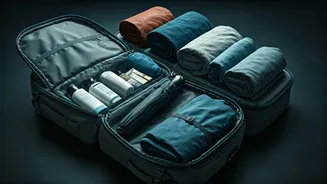
Your packing strategy isn't just about what you bring, but how you manage it during the trip. A sudden shower can leave you with a drenched t-shirt or a soggy pair of trousers. Stuffing them back into your main suitcase will make everything else damp and musty. The solution is compartmentalisation. Use packing cubes to keep your clean, dry clothes organised. More importantly, bring a few extra plastic bags or a dedicated 'wet bag' to store damp clothes and muddy shoes, keeping them completely separate from the rest of your luggage until you have a chance to wash and dry them properly.