


More Than Just a Condiment
Think of a chutney. What comes to mind? A sweet mango dip with a samosa, or a fresh green coriander-mint blend for a kebab? While these are delicious staples, they represent just the opening chapter of India's chutney chronicles. Across the country, in kitchens
from the Himalayas to the coasts, chutneys are not mere accompaniments; they are concentrated expressions of a region's geography, agriculture, and cultural ingenuity. These preparations utilize what is local and seasonal, transforming everything from foraged herbs and seeds to fermented beans and sun-dried vegetables into complex flavour bombs that are integral to the daily meal. They are a testament to a culinary philosophy that wastes nothing and treasures the distinct character of local produce.
A Nutty Story from the Himalayas
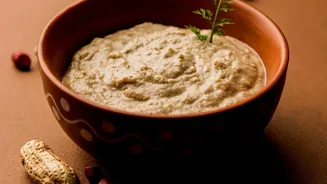
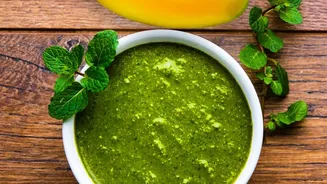
In the Kumaoni households of Uttarakhand, 'bhang ki chutney' is a beloved staple. The name might raise eyebrows, but this earthy, nutty condiment is made from roasted hemp seeds, not the psychoactive leaves of the plant. The seeds are ground with fresh mint, green chillies, garlic, and a splash of lemon juice, traditionally on a stone slab called a 'silbatta'. The result is a creamy, flavourful chutney that captures the essence of the mountains. It tells a story of local resourcefulness, using a highly nutritious superfood that thrives in the region. As awareness about Kumaoni cuisine grows through food-focused social enterprises and vloggers, this non-intoxicating chutney is finding curious new fans who appreciate its unique taste and health benefits.
Nagaland's Fermented Soul
Journey to the Northeast, and you'll encounter Axone, or 'akhuni', a fermented soybean chutney that is the heart and soul of many Naga dishes. With a powerful, pungent aroma and a deep umami flavour, Axone is a cultural emblem. A Sumi Naga folktale speaks of its accidental discovery, when boiled soybeans left wrapped in a banana leaf began to ferment, creating an ingredient that could transform any dish. For many Nagas living away from home, the smell of Axone being cooked is the smell of home itself. Once little-known outside the region, Axone has gained mainstream visibility through pop culture, including a dedicated film, helping to introduce its bold flavour profile to a wider, more adventurous audience.
A Bite of the Assamese Landscape
Assam offers its own unique palate, beautifully captured in chutneys made from local olives, known as 'jolphai', and a pungent paste called 'kharoli'. Many are surprised to learn that olives grow wild in Assam's interiors, and they are used extensively in the local cuisine. Jolphai chutney is a sweet, sour, and spicy preparation that combines crushed olives with jaggery, mustard oil, and panch phoran (a five-spice blend). Then there is Kharoli, a sharp, potent condiment made from fermented and ground mustard seeds. Both tell a story of Assam's biodiversity—one of foraged fruit, the other of a crucial cash crop. These chutneys are slowly making their way onto the menus of regional food pop-ups and into the kitchens of curious cooks.
A Maharashtrian Lesson in Flavour
From the western state of Maharashtra comes 'Karle chi chutney', a dry powder condiment made from roasted Niger seeds, also known as 'karle' or 'ramtil'. This chutney is a staple in many households, particularly in rural areas, and is prized for its nutty flavour and long shelf life. It’s often mixed with garlic, red chilli, and other spices, and served alongside bhakri (millet flatbread) or simple dal and rice. Another Maharashtrian chutney uses karela (bitter gourd), transforming a famously bitter vegetable into a delicious condiment by frying it until crisp and grinding it with peanuts, lentils, and tamarind. These chutneys showcase a culinary tradition that masterfully balances flavours and celebrates the utility of everyday seeds and vegetables.