




The Most Obvious Problem: No Grip
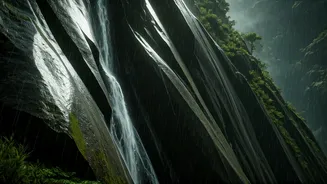
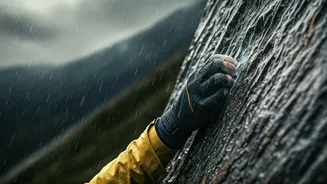
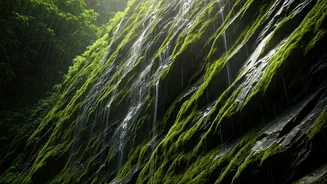
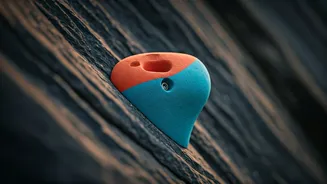
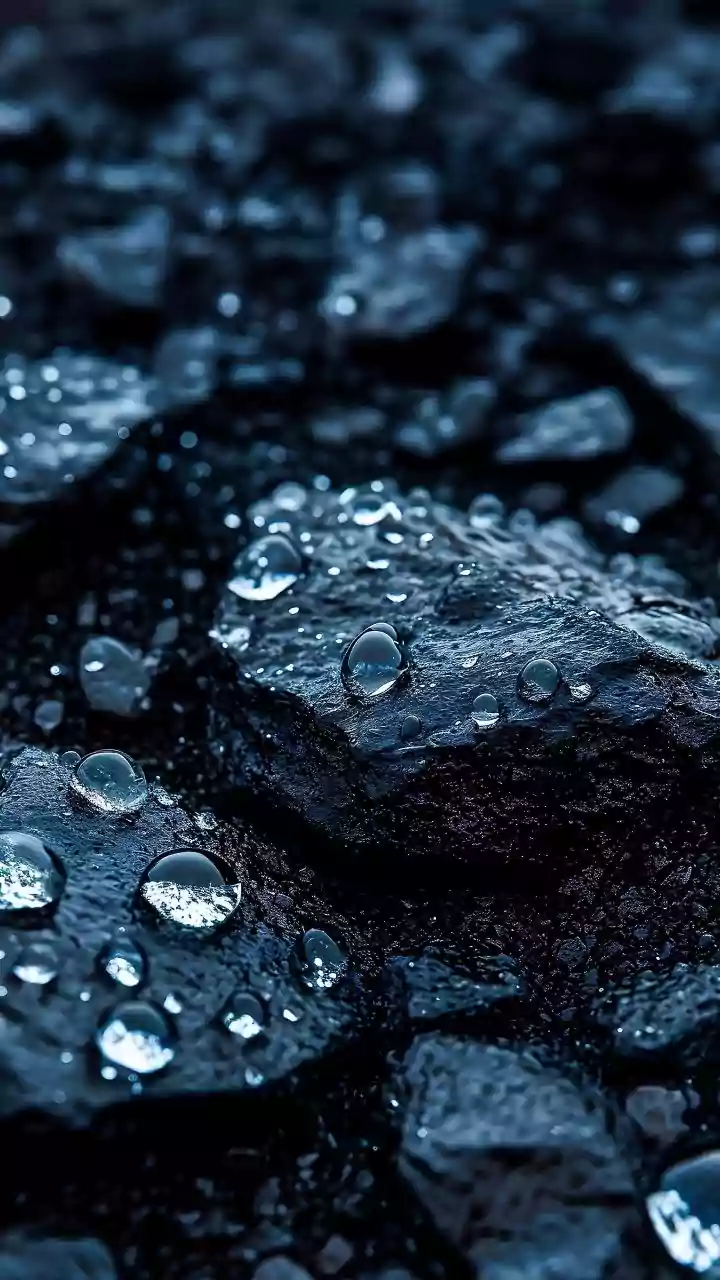
Let’s start with the basics. Water acts as a lubricant. The tiny, reliable crystals and edges that climbers depend on for finger and foot holds become slick, unpredictable surfaces. A jug-like hold you could hang from all day in dry conditions can feel
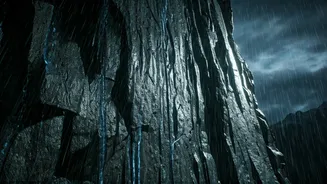
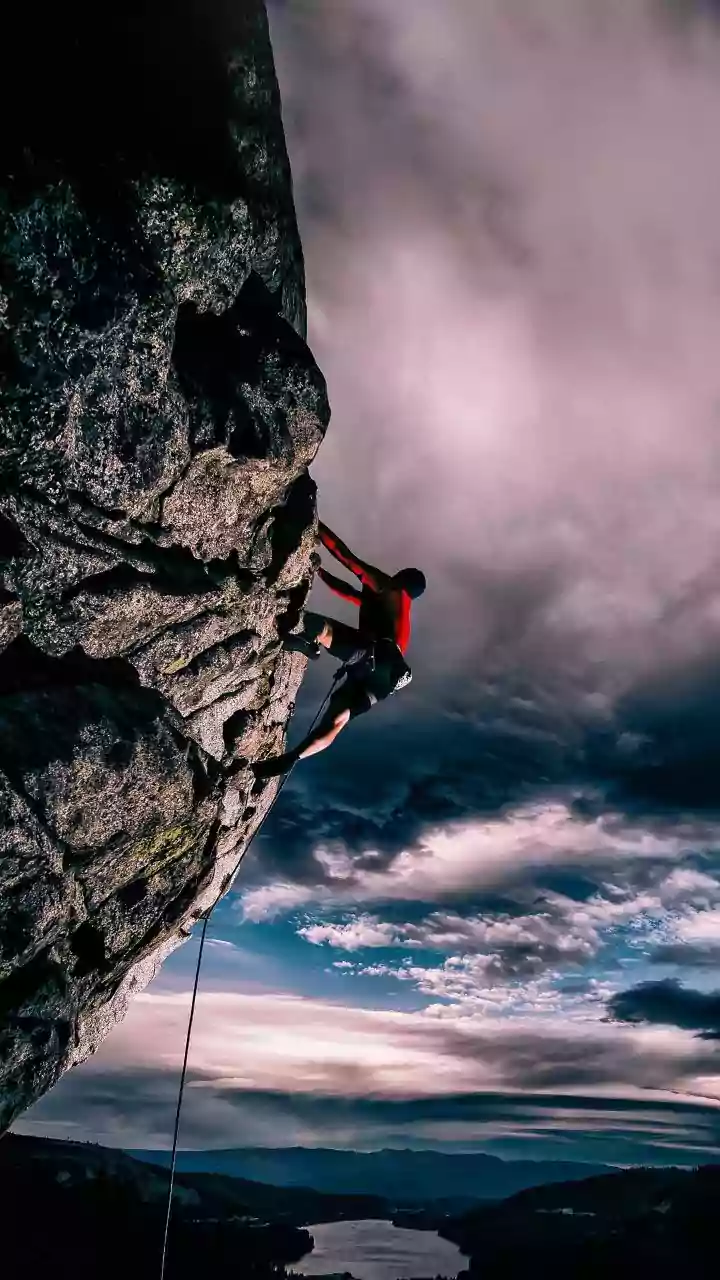
like a wet bar of soap when it rains. This isn’t just an inconvenience; it fundamentally changes the difficulty of a climb. A route that is well within a climber’s ability can become impossible, and therefore treacherous, in an instant. Different rock types react differently. Granite can become surprisingly slippery, while certain types of limestone might retain some texture. Sandstone, however, is notoriously dangerous when wet, not just because it's slick, but because the rock itself can become fragile.
When Your Lifeline Becomes a Liability
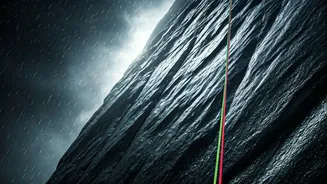
A climber's gear is their lifeline, but rain compromises its performance in critical ways. The rope, your most crucial piece of safety equipment, is the first victim. Most modern climbing ropes are made of nylon, which loses up to 30% of its strength when saturated with water. A wet rope also becomes significantly heavier, making it harder to pull up and handle, adding fatigue to an already stressful situation. It’s also more susceptible to being cut or abraded on sharp rock edges. Beyond the rope, the protective gear climbers place in the rock is also affected. Metal cams and nuts wedged into cracks for protection can be much more likely to slip or 'walk' out of position when water is flowing through the fissure, potentially turning a minor fall into a catastrophic one.
The Silent Killer: Hypothermia
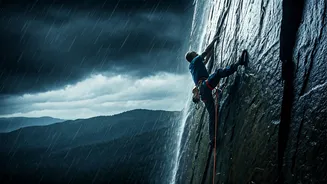
Many climbers caught in the rain aren’t injured by a fall. They are incapacitated by the cold. Hypothermia is a far greater threat than most people realise. Being soaked to the skin while exposed on a cliff face causes your body to lose heat with frightening speed, even in what seems like mild weather. As your core temperature drops, your physical abilities deteriorate. Your hands become numb, making it impossible to grip holds or handle gear. Shivering makes precise movements impossible. But the most insidious effect is on your brain. Hypothermia impairs judgment, leading to poor decision-making—like choosing to press on instead of retreating—at the very moment you need to be thinking most clearly.
The Risk of Rockfall and Lightning
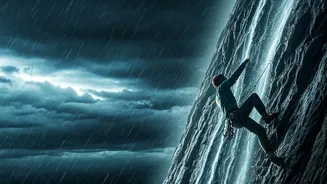
Rain doesn’t just fall on the climber; it falls on the entire mountain. Water seeps into cracks and gullies above, loosening rocks and debris that can come cascading down without warning. A small pebble falling from a great height can cause a serious injury. Furthermore, if the rain is part of a larger storm, lightning becomes a terrifying and immediate threat. Climbers on exposed faces or summits are, quite literally, human lightning rods. Holding onto metal gear only increases the danger. The standard advice during a thunderstorm in the mountains is to seek low ground and avoid tall objects—the exact opposite of what a climber is doing.
The Psychological Toll
The mental aspect of climbing is as important as the physical one. It requires focus, calm, and confidence. A sudden downpour shatters that state of mind. The noise of the wind and rain makes communication with your partner on the ground difficult, leading to isolation and uncertainty. The combination of cold, fear, and the physical struggle to simply hold on creates a huge cognitive load. Judgment becomes clouded, and panic can set in. What was once a recreational pursuit becomes a primal battle for survival. This is the 'extreme adventure' the headline hints at, but it's one defined by desperation, not by choice or skill. It’s a situation to be escaped, not sought.