





From City of Pearls to City of Payloads
Hyderabad's transformation into a space-tech powerhouse isn't an overnight phenomenon. It's built on a bedrock of decades of excellence in adjacent high-tech sectors. The city has long been a critical node in India's defence and aerospace industry, home
to vital DRDO labs and a sprawling ecosystem of over 1,500 MSMEs specialising in precision manufacturing. This industrial base, which produced components for fighter jets and missile systems, is now pivoting to build rockets and satellites. The state's established IT prowess provides the software and AI expertise essential for modern space missions, from ground control to in-orbit data processing. This unique blend of hardware manufacturing and software innovation created the perfect launchpad for a new generation of entrepreneurs dreaming of the cosmos.
A New Constellation of Startups
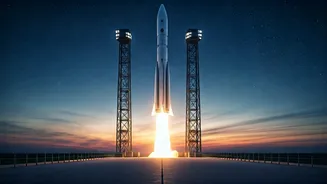
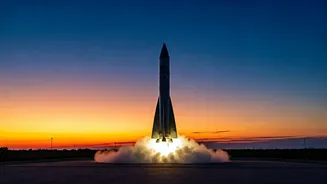
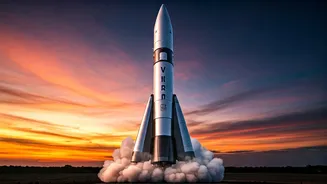
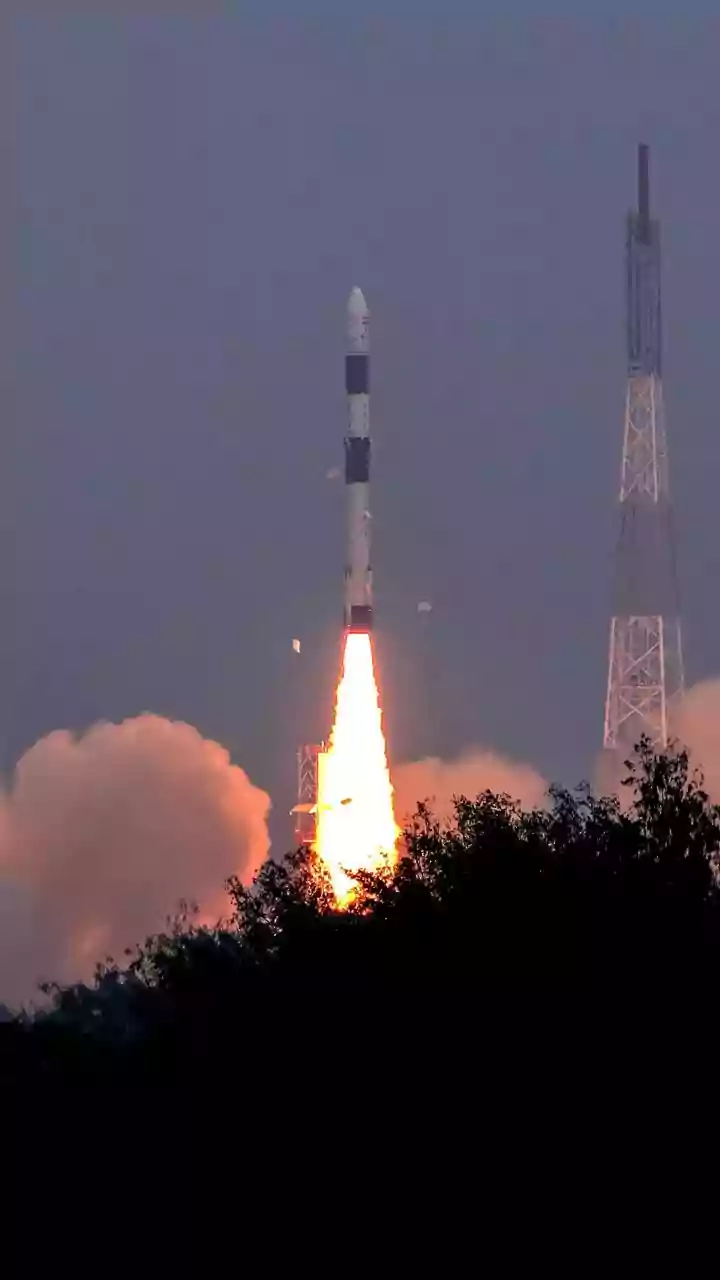
At the heart of this boom are pioneering startups that have moved from ambitious blueprints to launching real hardware. The most prominent is Skyroot Aerospace, founded by former ISRO engineers. After its successful suborbital flight of Vikram-S in 2022, the company is now preparing for the landmark launch of Vikram-1, India's first privately developed orbital rocket. The mission, named 'Aagaman' or 'The Arrival', is scheduled for a launch window between July 12 and August 4, 2026, and aims to place small satellites into low Earth orbit. Alongside Skyroot is Dhruva Space, a full-stack company offering everything from satellite manufacturing to launch and ground station services. With recent government funding for its 'Project Garud' to build a medium-class satellite platform, Dhruva Space aims to create a high-volume satellite manufacturing facility, capable of producing up to two satellites per day. Together, these two firms have become the gravitational centre for a cluster of nearly 100 space startups in the city.
An Ecosystem Built for Launch
Startups cannot thrive in a vacuum. Hyderabad's success is being actively cultivated by a robust support system. The Telangana government's proactive SpaceTech framework, coupled with the central government's policy of opening the space sector to private players, has been a game-changer. National bodies like IN-SPACe are working to bridge the gap between policy and capital, authorising private entities to participate in the space economy. At the local level, T-Hub, one of Asia's largest innovation hubs, provides critical incubation and acceleration. Its dedicated 'Orbit' program for spacetech startups offers access to mentorship, funding, and testing infrastructure. This ecosystem is further enriched by the presence of global aerospace giants like Safran, Boeing, and Lockheed Martin, who already manufacture critical components in the city, creating a deep talent pool and supply chain.
Fueling the Future
The momentum is attracting significant investment and talent. The city's space-tech companies have collectively raised over $331 million. While early founders struggled to find backers, the conversation has now shifted from proving the market's existence to scaling for global competition. This influx of capital is funding state-of-the-art facilities, like Skyroot’s 200,000-square-foot Infinity Campus, capable of producing an orbital rocket every month. The ecosystem is also expanding beyond just launch vehicles and satellites. A new wave of companies is focusing on niche but critical areas like space debris removal, satellite cybersecurity, and in-orbit data processing, showcasing the growing depth and diversity of Hyderabad's space cluster. The recent establishment of manufacturing facilities by international firms like Canada's FTG Aerospace further cements the city's role in the global supply chain.