

First, Assess Your Foundation
This targeted approach works best when your kitchen's core is solid. Before you start planning, check if your kitchen is a good candidate. The ideal situation is when you are happy with the general layout and the cabinet boxes—the structures fixed to
the wall—are in good condition. Look for signs of warping, water damage, or structural weakness. If the frames are sturdy and the layout functions well for your daily routine, you have the perfect base for a cost-effective yet impactful upgrade. If the layout is dysfunctional or the cabinet boxes are failing, a full replacement might be the more sensible long-term solution.
A Fresh Face: Upgrading Cabinet Fronts
The most dramatic visual change comes from updating your cabinet fronts. You have several options. The most budget-friendly is often painting existing doors, which can completely change the mood of the room. For a more significant update, consider refacing. This involves replacing the doors and drawer fronts and applying a new veneer to the visible surfaces of the cabinet boxes. This is perfect when you like your layout but dislike the style of your current doors. Materials for new fronts range from affordable laminates to premium acrylics and wood veneers, allowing you to control the budget and style. Replacing just the doors can be a great middle-ground, providing a fresh look while keeping costs lower than a complete overhaul.
The Magic of Smarter Storage
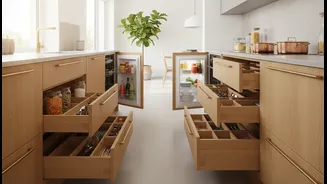
A beautiful kitchen that doesn't function well is a frustration. Improving storage is less about adding space and more about using it wisely. Modern modular solutions can be retrofitted into existing cabinets to bring order to the chaos. Consider installing pull-out pantry units for narrow spaces, making it easy to see and reach groceries. Revamp deep, awkward corner cabinets with rotating 'lazy susans' or 'magic corner' pull-outs. Inside drawers, use dividers and organisers to neatly arrange cutlery, spices, and utensils. Deep drawers can replace lower cabinets to make accessing pots and pans easier. Even the often-ignored space under the sink can be optimised with sliding baskets and organisers. These additions reduce clutter and make daily kitchen tasks more efficient.
Let There Be (The Right) Light
Lighting is often an afterthought, but it has the power to transform a space. A well-lit kitchen feels cleaner, safer, and more inviting. Aim for layers of light. The most crucial addition is often task lighting, particularly under-cabinet lights. LED strips are an energy-efficient way to illuminate your countertops, eliminating shadows cast by overhead lights and making food preparation safer and easier. This also adds a touch of sophistication, highlighting your backsplash and countertops. Ambient lighting provides the overall brightness for the room, which could be a central ceiling fixture. Finally, accent lighting, like a pendant light over an island or sink, can add a decorative focal point and create a warm atmosphere.
Bringing It All Together
These three elements—fronts, storage, and lighting—work in concert to create a cohesive and renewed space. The new cabinet fronts will pop under well-placed task lighting. An organised, clutter-free interior, made possible by smart storage, means your beautiful new exterior isn't just a facade. The improved functionality will make you love being in your kitchen again. By focusing your budget and effort on these high-impact areas, you’re not just giving your kitchen a facelift; you’re making a smart investment in its usability and your home’s overall value. This strategic approach proves that you don't need to tear everything down to build the kitchen you've always wanted.