
The Evening Star's Grand Appearance
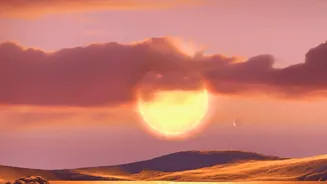
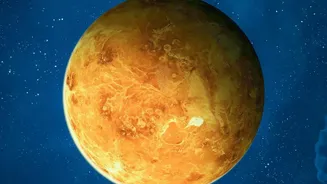
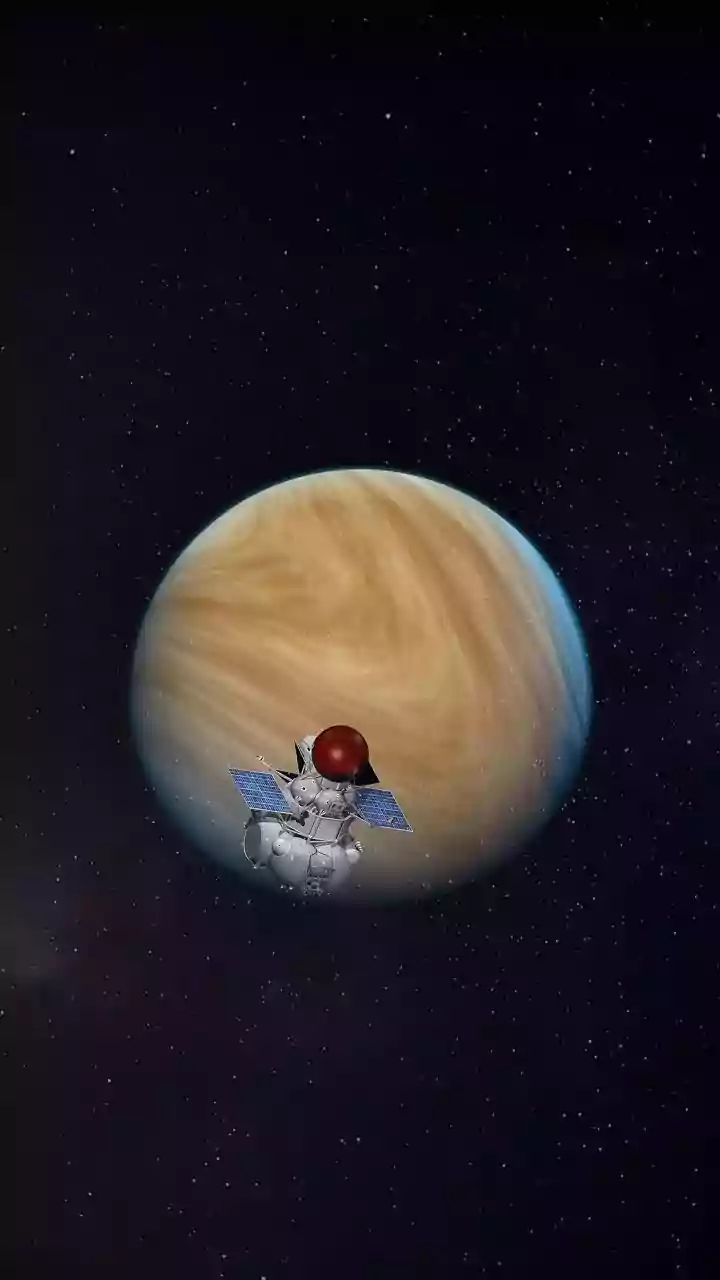
Throughout August 2026, Venus will be the brightest point of light in the western evening sky, easily outshining every star. Often called the 'Evening Star' when it appears after sunset, Venus is so luminous because its thick clouds reflect most of the sunlight
that hits them. This month is particularly special because the planet reaches its 'greatest elongation' on August 15th. This means it will be at its farthest apparent distance from the sun, making it hang beautifully in the twilight sky and offering a prime viewing opportunity for everyone.
When and Where to Look
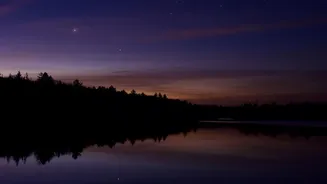
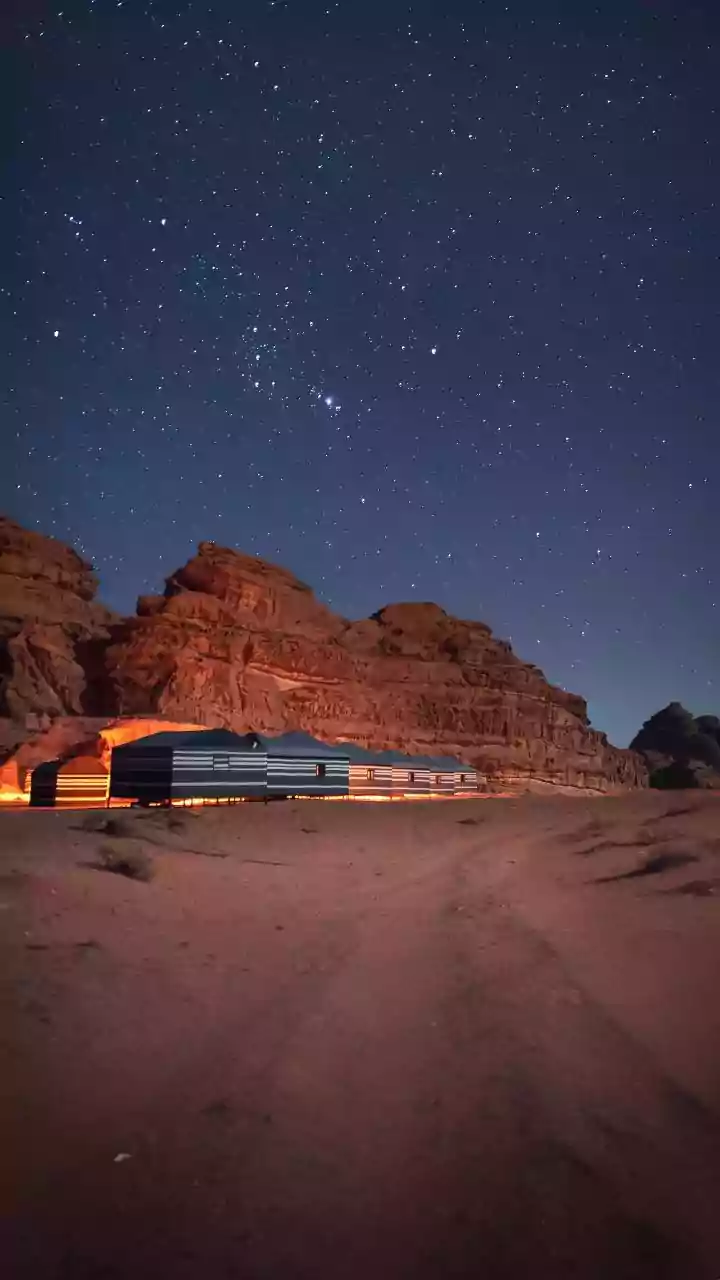
The best time to spot Venus is in the western sky approximately 30 to 90 minutes after your local sunset. As the sky darkens from deep blue to black, Venus will pop into view as a stunning, stationary beacon of light. You don’t need to be in a perfectly dark location; its brilliance can cut through the twilight of most towns and cities. Just find a spot with a clear, unobstructed view of the western horizon. Throughout the month, it will remain a consistent feature of the early evening.
A Celestial Dance with the Moon and Stars
August offers some lovely celestial pairings. Around August 14th and 15th, look for a slender crescent Moon to appear near the brilliant Venus, creating a breathtaking photo opportunity. Also nearby is Spica, the brightest star in the constellation Virgo. Venus will appear to draw closer to Spica as the month progresses, offering a nice sense of celestial motion from night to night. This gathering of the Moon, a planet, and a distant star makes for an especially rewarding stargazing session.
No Telescope Needed
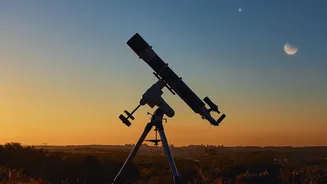
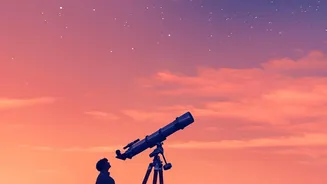
One of the best things about observing Venus is its accessibility. You do not need any special equipment to see it. Its incredible brightness makes it an easy target for the naked eye. However, if you have a pair of binoculars, you can get an even better look. Through binoculars, you won’t see surface details due to Venus’s dense cloud cover, but you might be able to discern its phase, similar to the phases of our Moon. Around its greatest elongation in mid-August, Venus will look like a tiny, half-lit moon through a telescope.
Tips for an Unforgettable View
To make the most of your Venus-gazing experience, a few simple tips can help. First, check your local sunset time and start looking westward about half an hour later. Give your eyes a few minutes to adjust to the fading light. While Venus is bright enough to be seen from cities, finding a park or a rooftop with less direct glare from streetlights will enhance the view. If you're interested in photography, you can capture Venus with just a smartphone. Use a night mode setting and brace your phone against a stable surface or use a small tripod to prevent blur.