






The Current Monsoon Situation
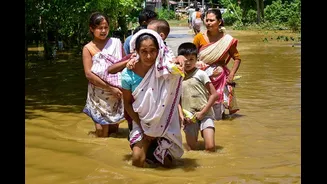
The 2026 monsoon season is proving to be intense and unpredictable across India. As of early August, the India Meteorological Department (IMD) has issued alerts for heavy to very heavy rainfall in numerous states. The Northeast, particularly Assam and Meghalaya,
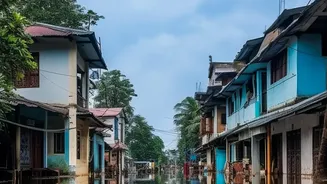
has been a hotspot for extreme rainfall. In the south, Kerala has been battered by torrential downpours, leading to tragic landslides, flooding, and the displacement of thousands of residents. Central and western regions, including Maharashtra, Goa, and Madhya Pradesh, are also experiencing intense spells of rain. These conditions have caused widespread disruptions, with authorities urging caution in hilly and flood-prone areas.
Decoding Official Weather Warnings
Your first and most reliable source for weather information is the India Meteorological Department (IMD). The IMD uses a color-coded system to issue warnings, which are crucial for any traveler to understand. A Green alert means no severe weather is expected. A Yellow alert advises you to be aware and updated. An Orange alert is more serious, indicating you should be prepared for potentially disruptive weather that could impact travel plans. The most critical is a Red alert, which warns of a high likelihood of severe weather that could pose a risk to life and property, advising you to take action to protect yourself. These alerts are issued for specific districts and are regularly updated, making it essential to check them for your intended destination.
Essential Apps for Real-Time Tracking
In addition to the official IMD website, several mobile apps provide real-time weather information. The government's official app, 'Mausam', offers forecasts, radar images, and warnings directly from the IMD in multiple Indian languages. Another government app, 'Damini', specifically provides lightning alerts, which are vital during thunderstorms. For more detailed analysis, 'Windy' offers advanced animated maps showing rain, wind, and storm progression, making it popular with trekkers and those visiting coastal areas. Private forecasters like Skymet Weather also have dedicated apps that are well-regarded for tracking the monsoon and providing localized updates. Having at least one of these on your phone is a non-negotiable for monsoon travel.
Region-Specific Risks and Precautions
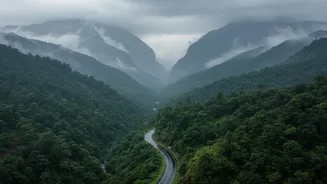
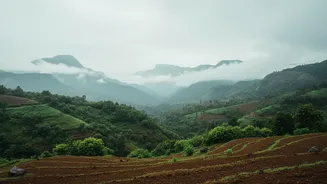
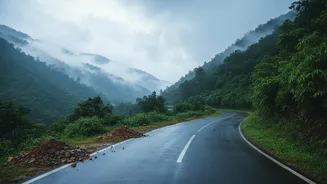
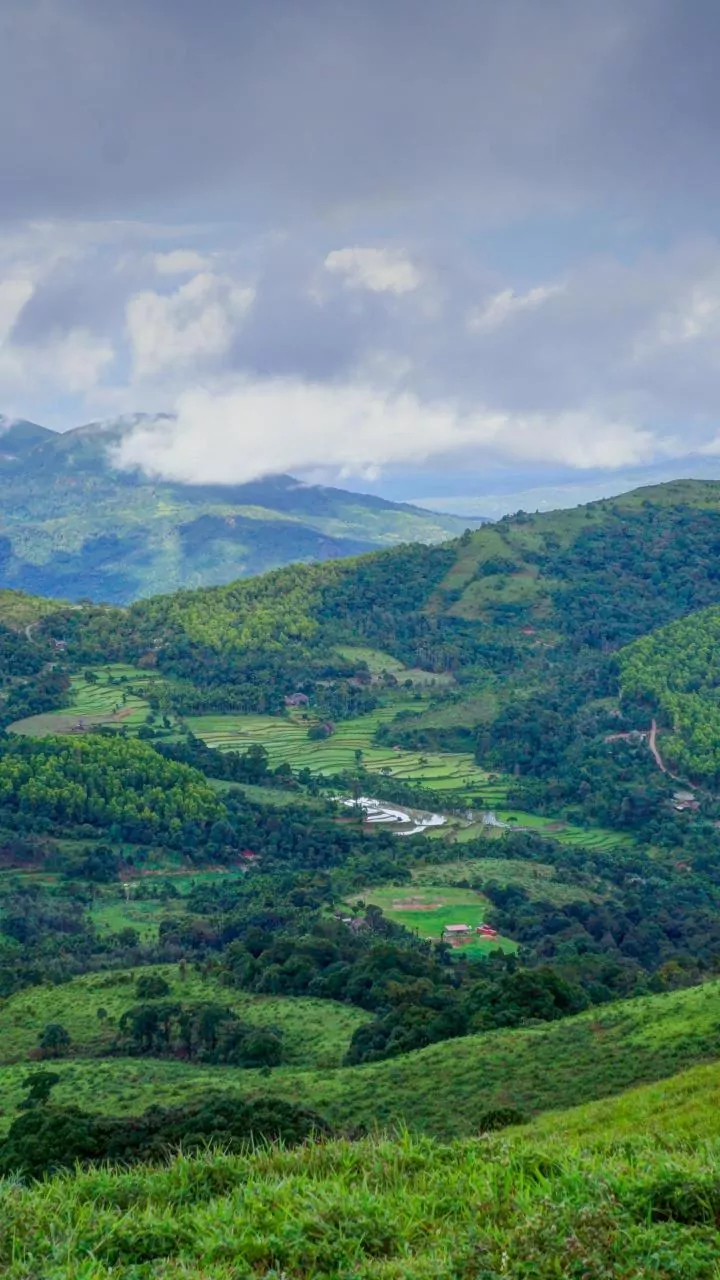
Different regions in India face different monsoon hazards. In mountainous areas like Uttarakhand, Himachal Pradesh, and the Western Ghats in Kerala and Karnataka, the primary danger is landslides and flash floods. Roads can be washed away, and entire areas can become inaccessible. As seen recently in Kerala, heavy rainfall can saturate the ground, triggering devastating landslips. In coastal and plain regions, waterlogging and river flooding are the main concerns. Cities can come to a standstill, and travel can be severely disrupted. Before heading to a hilly or coastal destination, it is vital to check local conditions and news reports in addition to weather forecasts.
Practical Tips for a Safer Journey
Beyond monitoring alerts, practical preparation is key. Pack synthetic, quick-drying clothes and avoid jeans and heavy cottons. Waterproof footwear with a good grip is essential to navigate slippery and uneven surfaces. Protect your electronics, documents, and cash in waterproof bags or zip-lock pouches. Be vigilant about your health; drink only bottled or filtered water and avoid street food to prevent waterborne diseases, which are common during this season. Always have a flexible itinerary. Monsoon weather can cause sudden delays and cancellations, so building buffer days into your plan and having refundable bookings can save you significant stress.