





What Makes It So Special?
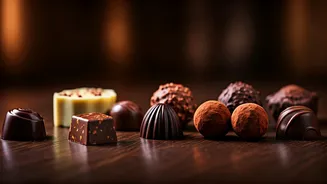
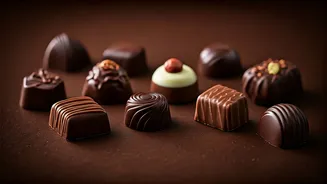
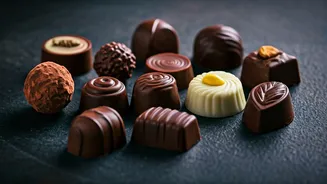
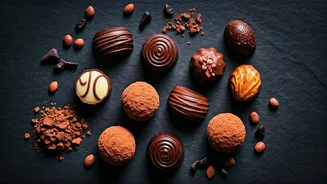
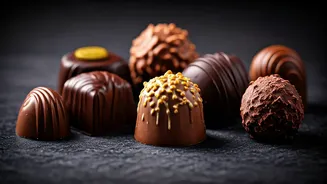
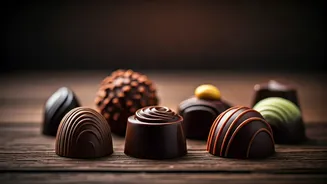
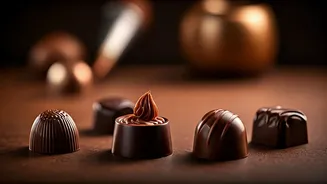
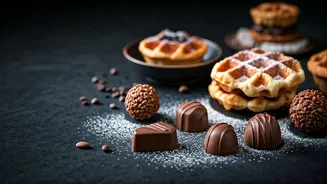
The secret to Belgian chocolate isn't one single thing, but a combination of high standards and deep history. The country's association with chocolate dates back to the 17th century. Fast forward to 1912, when Jean Neuhaus II invented the 'praline'—a
chocolate shell filled with a soft center—forever changing the game. This wasn't just a new candy; it was the birth of a national icon. A key part of the quality comes from the ingredients. Belgian chocolate traditionally uses 100% pure cocoa butter, which gives it a superior smoothness and melt-in-your-mouth quality that other fats can't replicate. There's also the grinding process; the chocolate is milled so finely (to about 15-18 microns) that the texture is incredibly smooth and never grainy. A voluntary 'Belgian Chocolate Code' followed by most of the country's makers ensures that the refining and mixing processes happen within Belgium, preserving its authentic character.
The Chocolate Capitals: Brussels and Bruges
While you can find incredible chocolate all over the country, your pilgrimage should focus on two key cities: Brussels and Bruges. Brussels, the bustling capital, is a chocolate powerhouse with more chocolate factories than any other city in the world. The area around the magnificent Grand-Place is dotted with legendary names like Neuhaus, Godiva, and Leonidas. You can easily spend a day wandering from one shop to the next, sampling treats. Bruges, on the other hand, is a fairytale city of canals and cobbled streets. Here, the chocolate experience feels more intimate, with countless family-run artisanal shops. It's also home to Choco-Story, a comprehensive museum dedicated to the history of chocolate, from its Mayan origins to its modern-day production.
Antwerp: The Edgy Innovator
For a more modern and avant-garde take on chocolate, head to Antwerp. This port city, known for fashion and design, is also home to some of the most creative chocolatiers. The most famous is Dominique Persoone of The Chocolate Line. His shop, located in a former Napoleonic palace, is a must-visit. Persoone is known as the 'shock-o-latier' for his wild flavor combinations, which have included everything from wasabi and bacon to fried onions. He also takes sustainability seriously, growing his own cocoa beans on a plantation in Mexico. Visiting The Chocolate Line isn't just about buying chocolate; it's about experiencing the future of the craft.
Must-Have Experiences for Chocoholics
Beyond simply tasting, Belgium offers a wealth of interactive chocolate experiences. Many chocolatiers and museums in Brussels and Bruges offer hands-on workshops where you can learn to make your own pralines and truffles from scratch. It’s a fun, delicious way to appreciate the skill that goes into every perfect piece. Guided chocolate walking tours are also a popular way to explore the cities. A knowledgeable guide will lead you to the best shops, explaining the history and offering plenty of samples along the way. For a deeper dive, the Choco-Story museums in both Brussels and Bruges offer detailed exhibits, live demonstrations, and, of course, tastings.
Your First Box: What to Buy
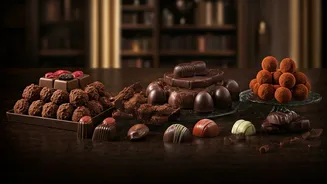
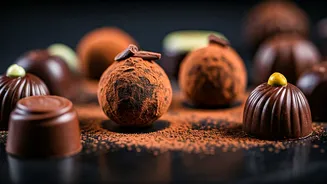
When you step into a Belgian chocolate shop, you'll be faced with an astonishing array of choices. The classic choice is the praline, and you'll find dozens of fillings, from nutty praliné and smooth ganache to fruit creams and rich caramels. Don't be afraid to try some adventurous flavours alongside the classics. Most shops sell chocolates by weight or in pre-assorted boxes. The iconic packaging for pralines is the 'ballotin', a special box designed in 1915 by Jean Neuhaus Jr.'s wife, Louise Agostini, to protect the delicate chocolates. Assembling your own ballotin is a rite of passage for any visitor. It’s the perfect, customisable souvenir to bring home a taste of your travels.