




The Unkillable Snake Plant
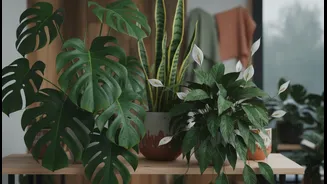
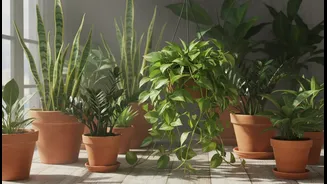
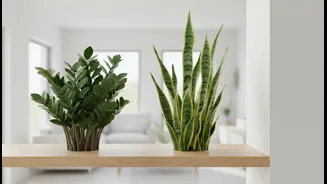
The Snake Plant, or Sansevieria, is famous for being incredibly resilient, making it a perfect starting point for new plant parents. Its stiff, upright leaves add a touch of modern architectural beauty to any room. During the monsoon, its biggest advantage
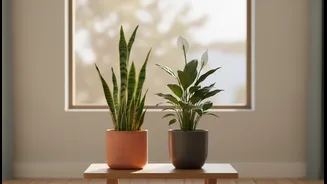
is its tolerance for lower light and infrequent watering. The high humidity means soil stays moist for longer, and the Snake Plant is happy to be left alone, reducing the risk of root rot. As a bonus, it is celebrated for its air-purifying qualities, filtering common household toxins and even releasing oxygen at night, which makes it an ideal bedroom companion. For best results, use a well-draining succulent or cacti soil mix and water only when the top few inches of soil feel completely dry.
The Hardy ZZ Plant
With its glossy, dark green leaves, the ZZ Plant (Zamioculcas zamiifolia) is another low-maintenance champion that brings a polished look to indoor spaces. It is exceptionally tolerant of low-light conditions, a common challenge during the overcast days of the monsoon. Much like the Snake Plant, the ZZ Plant stores water in its underground rhizomes, meaning it requires very little watering. This is a huge benefit during the rainy season when overwatering is a primary concern for houseplants. Its ability to thrive on neglect while still looking lush makes it a fantastic choice for adding effortless greenery to shelves and tabletops that don't receive direct sunlight.
The Elegant Peace Lily
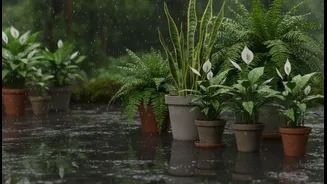
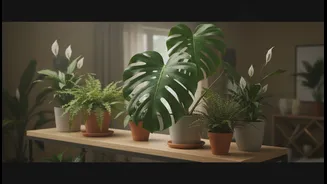
If you're hoping for a touch of floral beauty, the Peace Lily (Spathiphyllum) is an excellent choice. This plant is known for its elegant white blooms that stand out against its deep green foliage. Peace Lilies genuinely love the conditions the monsoon brings; they thrive in high humidity and adapt well to the lower light levels common during this season. The extra moisture in the air helps keep their leaves vibrant and encourages flowering. They are also great communicators, as their leaves will visibly droop when they need water, taking the guesswork out of your care routine. Beyond its beauty, the Peace Lily is also a powerhouse at improving indoor air quality.
The Versatile Money Plant
A staple in countless Indian homes, the Money Plant (Epipremnum aureum or Pothos) is practically made for the monsoon. This hardy, trailing vine flourishes in the high humidity of the rainy season, often showing a noticeable spurt in growth. It is incredibly versatile, happy to grow in soil or just a simple jar of water. Its heart-shaped leaves can create stunning green displays, whether left to trail down from a high shelf or trained to climb a wall. The Money Plant is also forgiving when it comes to light, tolerating dimmer corners of the house, which makes it perfect for brightening up spaces far from a window.
The Lush and Feathery Ferns
Ferns, such as the popular Boston Fern, are the quintessential humidity-loving plants. Their delicate, feathery fronds bring a soft, lush texture to interiors, instantly making a space feel more vibrant and natural. The monsoon months mimic their native forest-floor habitat, providing the moist, shaded environment in which they flourish. Placing a fern in a bathroom or kitchen where humidity is naturally higher is a great idea, but they will thrive in any room during the rains. To keep them happy, ensure their soil remains consistently moist but not waterlogged and place them in a spot with indirect light.
The Decorative Calathea
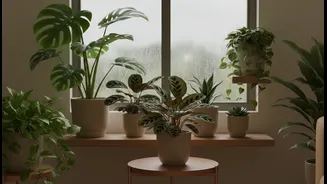
For those who want a plant that is a true work of art, look no further than the Calathea, or Prayer Plant. Known for their stunningly patterned leaves with vibrant shades of green, pink, and purple, Calatheas are a visual delight. These tropical natives adore the high humidity that the monsoon provides, which helps keep their intricate leaves from developing crispy edges. They prefer indirect sunlight, as direct sun can fade their beautiful patterns. While they can be a bit more particular about their care, especially regarding water purity (they prefer filtered or rainwater), their dramatic foliage is a worthy reward for the extra attention. Their unique habit of folding their leaves upwards at night, as if in prayer, adds to their fascinating character.