


A Festival of Feasting and Faith
Janmashtami, celebrating the birth of Lord Krishna, is a festival steeped in devotion, fasting, and ultimately, feasting. The 'prasad' or devotional offering is central to the celebrations, with a particular emphasis on milk-based sweets, reflecting Krishna's
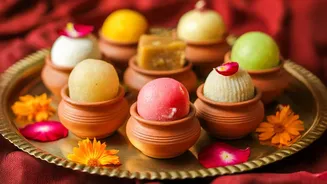
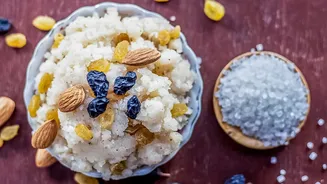
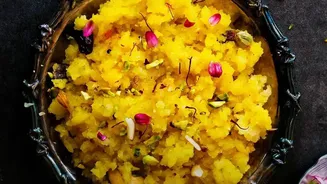
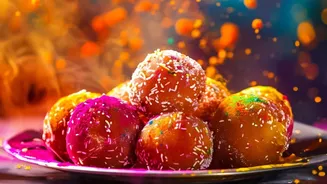
legendary love for butter and milk. Traditional offerings often include rich preparations like Panjiri, a roasted wheat or coriander powder sweet loaded with nuts and sugar; creamy Pedas made from khoya; and of course, Makhan Misri (fresh butter with rock sugar). These sweets are not just food; they are an embodiment of joy, tradition, and community.
The Rise of Health-Conscious Devotion
In recent years, a broader trend towards wellness and mindful eating has swept across India. This growing awareness around the effects of refined sugar and excessive calories is now influencing how people approach festive foods. Devotees no longer want to choose between celebrating their faith and adhering to their health goals. The result is a rising demand for healthier versions of traditional mithai that don't lead to post-festival guilt or sugar crashes. This shift is not about restriction but about adaptation, finding a sustainable way to enjoy the richness of tradition.
Sweet Swaps and Natural Alternatives
The heart of this trend lies in smart ingredient swaps. Refined white sugar is being replaced by a variety of natural sweeteners that offer flavour without the empty calories. Jaggery (gud), with its earthy, caramel-like notes and mineral content, is a popular choice for everything from laddoos to kheer. Dates and figs (anjeer), blended into a paste, provide natural sweetness and a dense, chewy texture perfect for barfis and energy balls. Other alternatives include desi khand (unrefined raw sugar), coconut sugar, and even plant-based sweeteners like stevia for those seeking zero-calorie options.
The New Generation of Janmashtami Sweets
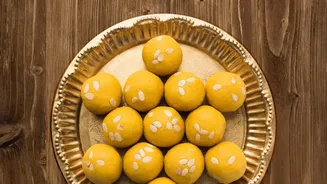
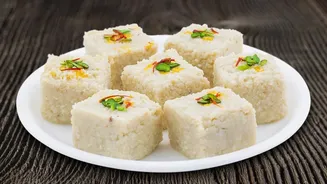
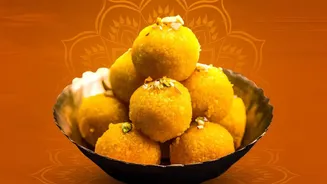
This new approach has given rise to a delicious array of innovative yet traditional sweets. Instead of conventional besan laddoos, you might find Ragi and Coconut Laddoos, which use the goodness of millets. Anjeer Barfi, sweetened only with dried figs and packed with nuts, is a popular choice. Traditional kheer is being reimagined as Makhana Kheer, using puffed lotus seeds for a lighter base, or as versions sweetened with date syrup instead of sugar. Even the classic Panjiri is being made with jaggery and a higher proportion of nuts and seeds to boost its nutritional profile. Many are also baking treats like gujiyas instead of deep-frying them.
What to Look for in Halwai Shops and Online
Sweet shops (halwais) and online brands are quickly responding to this growing demand. Many now offer dedicated 'sugar-free' or 'naturally sweetened' ranges for festivals. When shopping, look for labels that clearly state the use of jaggery, dates, or other natural sweeteners instead of just 'sugar-free', which can sometimes imply artificial sweeteners. Don't hesitate to ask about the ingredients. This trend has also fueled the rise of artisanal and home-based businesses that specialize in creating healthy, bespoke festival sweets, offering a modern way to access traditional flavours made with clean ingredients.