





The Great Migration Reimagined
For decades, professional ambition in India meant a one-way ticket to a bustling metro city like Mumbai, Delhi, or Bengaluru. That familiar path is now being redrawn. The widespread adoption of remote and hybrid work models, accelerated by the pandemic,
has severed the traditional link between a career and a specific geographic location. Companies in the IT, creative, and startup sectors have increasingly embraced flexible policies, empowering their employees with a choice they never had before: where to log in from. This has sparked a reverse migration, not back to ancestral hometowns, but towards places previously reserved for holidays.
Trading Urban Burnout for Better Balance
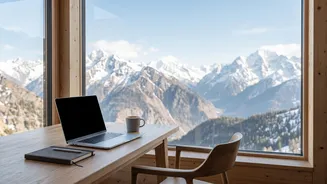
The appeal of a workation goes far beyond just a pretty view from your desk. For many young Indians, it is a deliberate strategy to combat the mounting pressures of urban life. The daily grind of long commutes, high pollution levels, and the soaring cost of living in major cities has led to significant burnout and a decline in mental well-being. A workation offers an antidote. It allows professionals to maintain their work schedule while immersing themselves in a more relaxed environment. Instead of being stuck in traffic, evenings and weekends can be spent hiking in the mountains, walking on the beach, or exploring a new local culture, providing a psychological reset that a typical office routine cannot.
The New Digital Nomad Hotspots
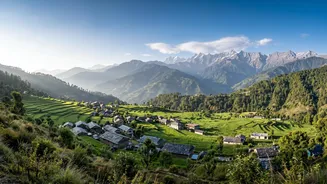
This trend is giving rise to a new map of professional hubs across India. Once frequented mainly by foreign backpackers, destinations are now bustling with a homegrown community of digital nomads. The mountains of Himachal Pradesh and Uttarakhand, particularly places like Manali and Rishikesh, have become popular for their serene atmosphere and wellness opportunities. Goa remains a perennial favourite, offering a vibrant mix of beach life, cafes, and co-working spaces. Even quieter regions, like Sikkim, are developing infrastructure specifically to cater to remote workers, with some villages dedicating themselves entirely to homestays equipped for digital nomads. The key enabler across these locations has been the dramatic improvement in internet infrastructure, with reliable Wi-Fi and 5G connectivity becoming increasingly common.
The Surprising Economics of Working Away
While it might sound like a luxury, a workation can be surprisingly economical. For many, the cost of living in a travel destination is significantly lower than in a Tier-1 city. Rent for a comfortable apartment or long-stay guesthouse in places like Goa or Dharamshala can be a fraction of what one would pay in Mumbai or Delhi. The hospitality industry has adapted quickly, with hostels and homestays offering affordable monthly packages that include amenities like Wi-Fi and a workspace. These long-term stays provide a stable revenue stream for local businesses, especially during what used to be off-peak tourist seasons, creating a win-win situation for both the traveller and the local economy.
It’s Not a Permanent Holiday
Despite the idyllic Instagram posts, the workation lifestyle is not without its challenges. The line between work and leisure can easily blur, leading to longer hours and the risk of burnout if discipline isn't maintained. Finding reliable, high-speed internet can still be an issue in more remote areas, and dealing with practicalities like power cuts requires a backup plan. There are also personal challenges, such as loneliness from being away from friends and family, and the difficulties of accessing healthcare in an emergency. It requires a specific mindset—one that balances the freedom of travel with the responsibilities of a full-time job.