





Meet the Power Couple: Prebiotics and Probiotics
To understand why this combination is so effective, we need to talk about prebiotics and probiotics. Probiotics are the 'good' live bacteria and yeasts that are beneficial for your digestive system. You'll find them in fermented foods like yogurt (dahi),
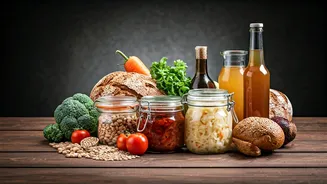
kefir, and kimchi. Think of them as friendly reinforcements for your gut's microbial community. On the other hand, prebiotics are types of dietary fibre that feed these beneficial bacteria. Essentially, fibre acts as the fuel that helps your gut's good bacteria thrive. This fibre is the indigestible part of plant foods like fruits, vegetables, and whole grains. When you consume them together, it’s a symbiotic relationship—the prebiotics in fibre-rich foods help the probiotics from fermented foods to flourish in your gut.
The Science of Synergy
When probiotics ferment prebiotic fibre in your gut, they produce beneficial compounds called short-chain fatty acids (SCFAs). These SCFAs, such as butyrate, are vital for your health. They nourish the cells lining your colon, strengthen your gut barrier, and help reduce inflammation throughout the body. A healthy gut microbiome, supported by this duo, is linked to a wide range of health benefits. These include improved digestion, enhanced immune function, better weight management, and a lower risk of chronic conditions like heart disease and type 2 diabetes. Some studies even suggest a connection between a balanced gut and improved mental health through the gut-brain axis. By combining fibre and ferments, you’re not just eating food; you’re cultivating a healthier internal ecosystem.
Stocking Your Pantry: High-Fibre Heroes
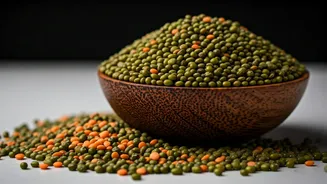
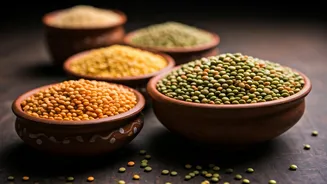
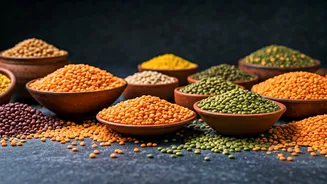
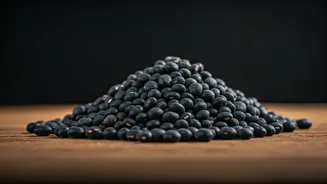
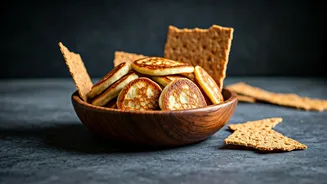
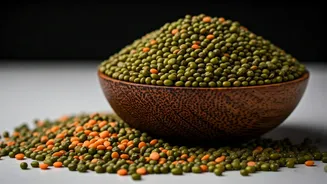
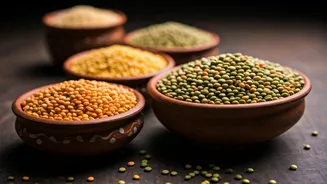
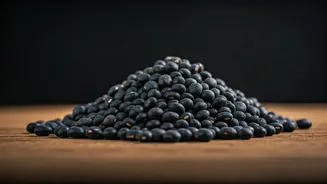
Adding more fibre to your diet is simpler than you might think and doesn't require a complete overhaul. Many staples of the Indian kitchen are naturally rich in fibre. Whole grains like barley (jau), oats, and millets such as jowar and bajra are excellent sources. Legumes are fibre powerhouses; this includes all kinds of lentils (dals), chickpeas (chana), and beans like kidney beans (rajma). Don't forget vegetables like broccoli, peas, and leafy greens, along with fruits such as apples, bananas, and guavas. Nuts and seeds like almonds, walnuts, and chia seeds also provide a significant fibre boost. The key is to focus on whole, unprocessed plant foods.
Finding Your Fermented Favourites
Fermented foods are a cornerstone of traditional diets around the world, including in India. The most common and accessible is plain yogurt, or dahi, which is packed with live cultures. Traditional buttermilk is another excellent source. The batters for idli and dosa are fermented, making these popular dishes a source of probiotics. Pickles are also a great option, but it's important to choose those that are naturally fermented in salt rather than preserved in vinegar to get the probiotic benefits. Globally, options like kimchi (a spicy fermented cabbage), sauerkraut, kefir (a fermented milk drink), and tempeh (fermented soybeans) are becoming more widely available and offer a great way to diversify your probiotic intake.
Putting It All Together: Simple Pairings
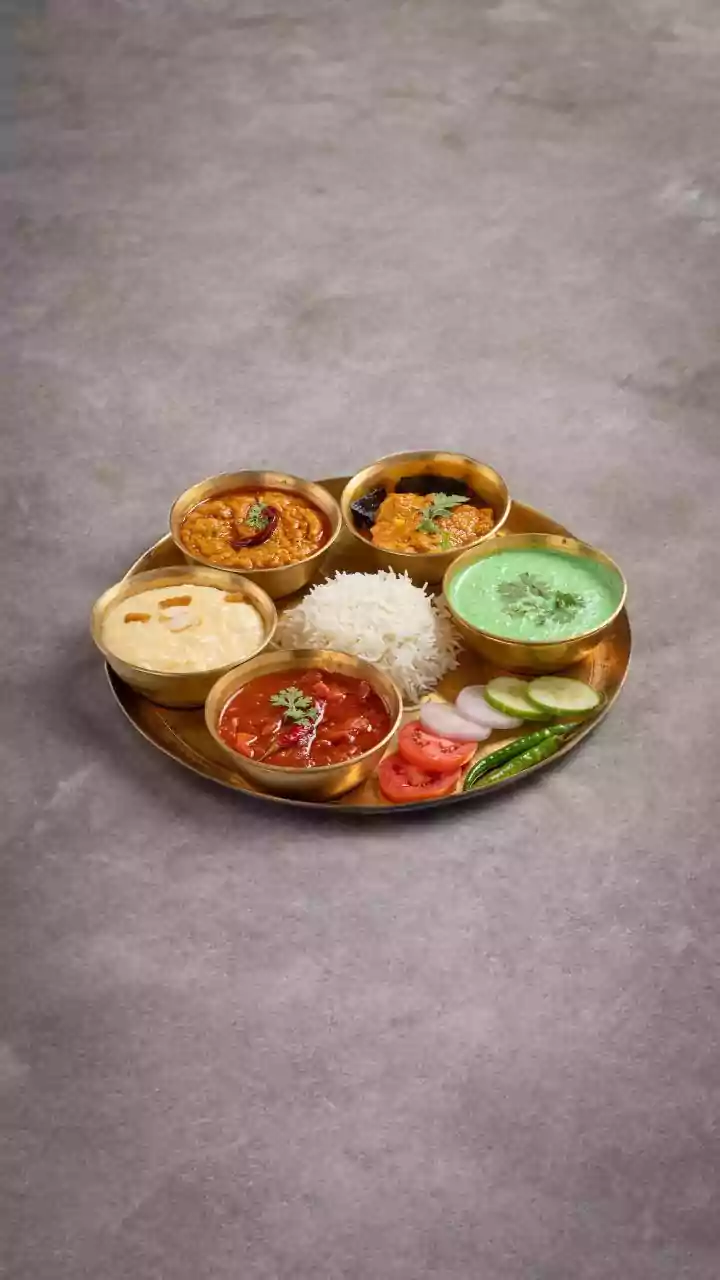
The magic happens when you pair these two groups. Start your day with a bowl of oatmeal (fibre) topped with a spoonful of dahi (ferment) and some fresh berries. For lunch, a simple dal made with lentils (fibre) served with a side of homemade fermented pickle and a whole-wheat roti can be a perfect combination. A vegetable stir-fry (fibre) can get a flavourful and healthy boost from a spoonful of miso paste (ferment) stirred in at the end. Snacking on a handful of almonds (fibre) with a small glass of kefir (ferment) is another easy option. Even adding kimchi as a side to a millet-based khichdi provides the synergistic benefits you're looking for.