



The Monsoon Health Paradox
The magic of the monsoon is often accompanied by a spike in health concerns. The combination of high humidity and ambient warmth creates a perfect breeding ground for bacteria like Salmonella and E. coli. Heavy rains can lead to water contamination, affecting
everything from the water used by street vendors to the fresh produce at local markets. This is why cases of typhoid, gastroenteritis, and cholera often see a rise during these months. According to Ayurveda, the digestive fire, or 'Agni', is also considered weaker during this season, making the body more susceptible to indigestion and infections. This doesn't mean you have to give up your favourite foods; it simply means being more mindful about how they are prepared and consumed.
Navigating the World of Street Food
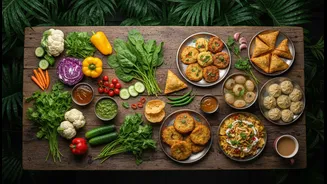
The allure of street food is strongest during a downpour, but it's also when the risks are highest. Your best defence is to choose wisely. Opt for snacks that are cooked at high temperatures right in front of you and served piping hot. Freshly fried samosas, bhajiyas, or roasted corn on the cob (bhutta) are generally safer bets than items that have been sitting out. Be extremely cautious with anything that involves unboiled water or raw ingredients. This makes pani puri, bhel puri with raw chutneys, pre-cut fruit salads, and freshly squeezed juices from street stalls particularly risky. When in doubt, look for vendors who visibly practice good hygiene, use covered containers for their ingredients, and ideally, display a Food Safety and Standards Authority of India (FSSAI) license.
Mastering Monsoon Kitchen Hygiene
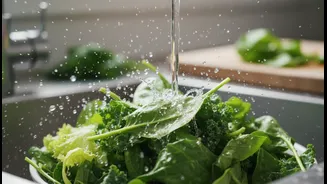
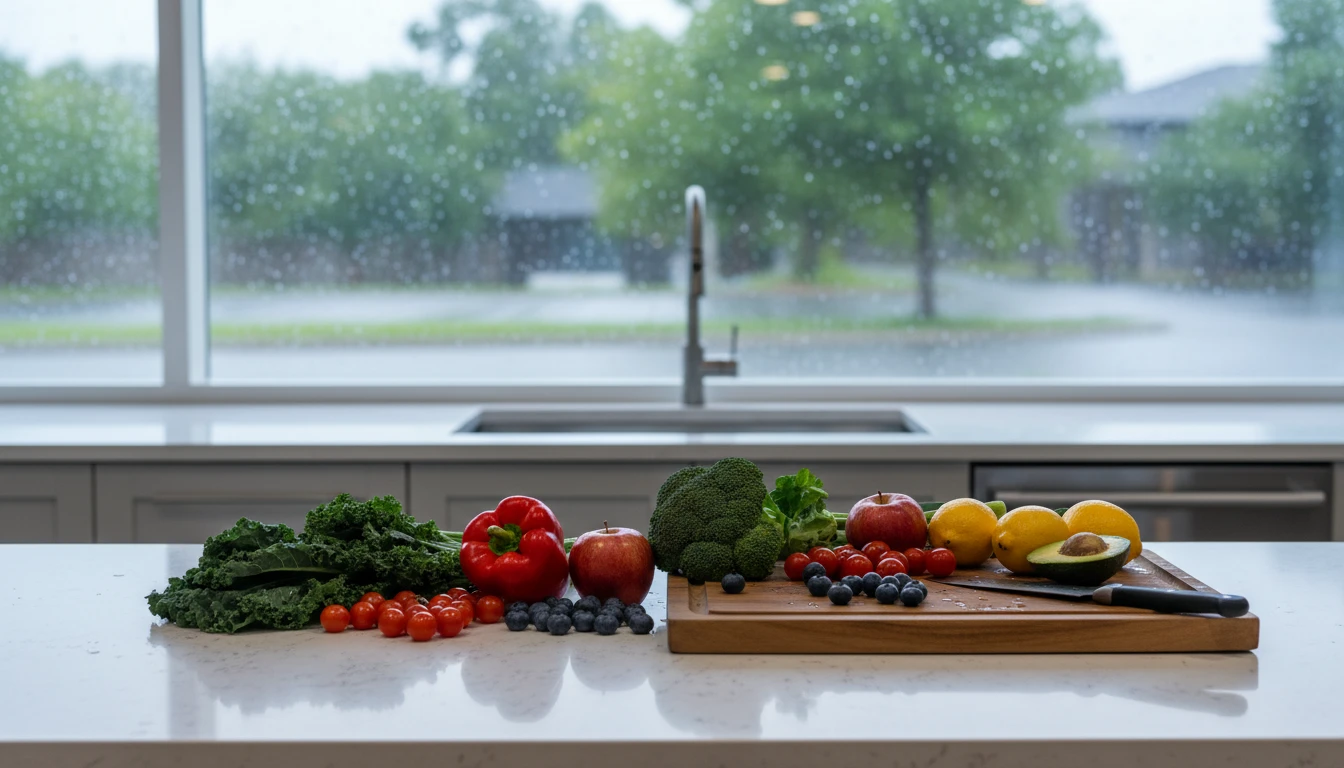
Your kitchen is your safest haven during the monsoon. Start with the basics: wash your hands thoroughly with soap before and after handling food. All fruits and vegetables must be washed rigorously under clean, running water. For leafy greens like spinach and fenugreek, which can harbour worms and germs, it's wise to soak them in salt or vinegar water for a few minutes before a final rinse. During the monsoon, it's best to avoid raw salads altogether or steam your vegetables before consumption. Always cook food thoroughly, especially meat and seafood, which spoil faster in humid weather. When storing food, use airtight containers and refrigerate leftovers promptly to prevent bacterial growth. And most importantly, ensure your drinking water is either boiled or properly filtered, as this is a primary source of infection.
Embracing Traditional Wellness, Safely
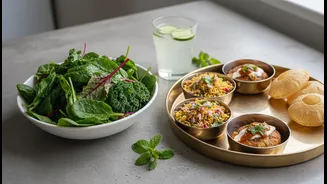
Many traditional monsoon foods are not just comforting; they are rooted in Ayurvedic wisdom designed to support health during this season. Warm, light, and easy-to-digest meals are highly recommended. Think of a simple, freshly prepared khichdi made with moong dal and rice, comforting vegetable soups, or steamed snacks like idli and dhokla. These dishes provide nourishment without burdening your digestive system. Spices like turmeric, ginger, black pepper, and cumin, integral to Indian cooking, are traditionally used to boost digestion and immunity. Incorporating these into your home-cooked meals through herbal teas, rasam, or dals can be beneficial. The key is to enjoy these wellness traditions with the principles of modern food safety, ensuring every ingredient is fresh and every meal is hygienically prepared.