





More Than Just a Walk in the Woods
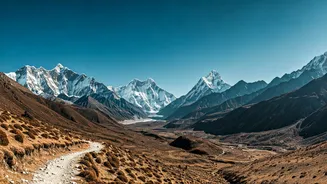
For years, trekking in the Himalayas has been about physical challenge and summit fever. The goal was to go higher, faster, further. But a quieter, more profound movement is gaining traction. Mindful nature immersion, often inspired by the Japanese practice
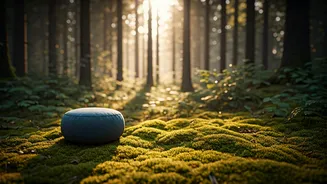
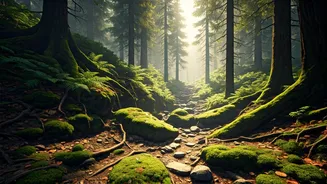
of 'Shinrin-yoku' or 'forest bathing', is not about the destination. It’s about the journey, but a journey inward. Unlike a typical trek, these experiences are curated to be slow and sensory. Participants are guided to engage with the forest using all their senses—listening to the rustle of leaves, smelling the damp earth and pine, feeling the texture of moss on a fallen log, and simply being present. The focus shifts from doing to being, offering a powerful antidote to the goal-oriented hustle of modern urban life.
The Science of Stillness
This isn't just a fleeting wellness trend; it's backed by a growing body of scientific research. The concept of Shinrin-yoku, developed in Japan in the 1980s, has been studied for its physiological and psychological benefits. Research has shown that spending mindful time in a forest can lower cortisol (the stress hormone), reduce blood pressure, decrease anxiety and depression, and even boost the immune system. The natural phytoncides—essential oils released by trees to protect themselves from germs and insects—are inhaled during a forest walk and have been linked to improved immune function. For the perpetually stressed-out Indian professional, the promise of a scientifically validated method to de-stress is a powerful draw, making these treks a form of preventative healthcare.
Why the Lower Himalayas?
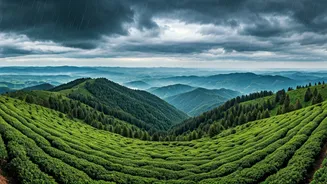
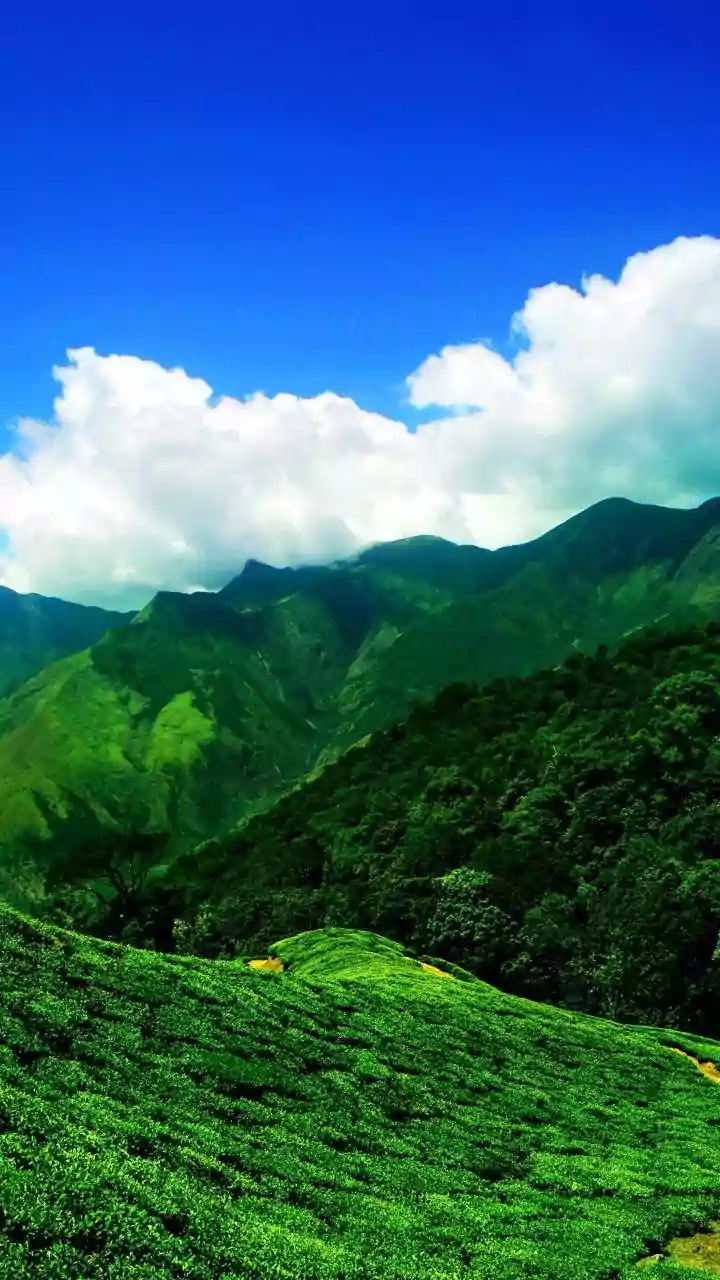
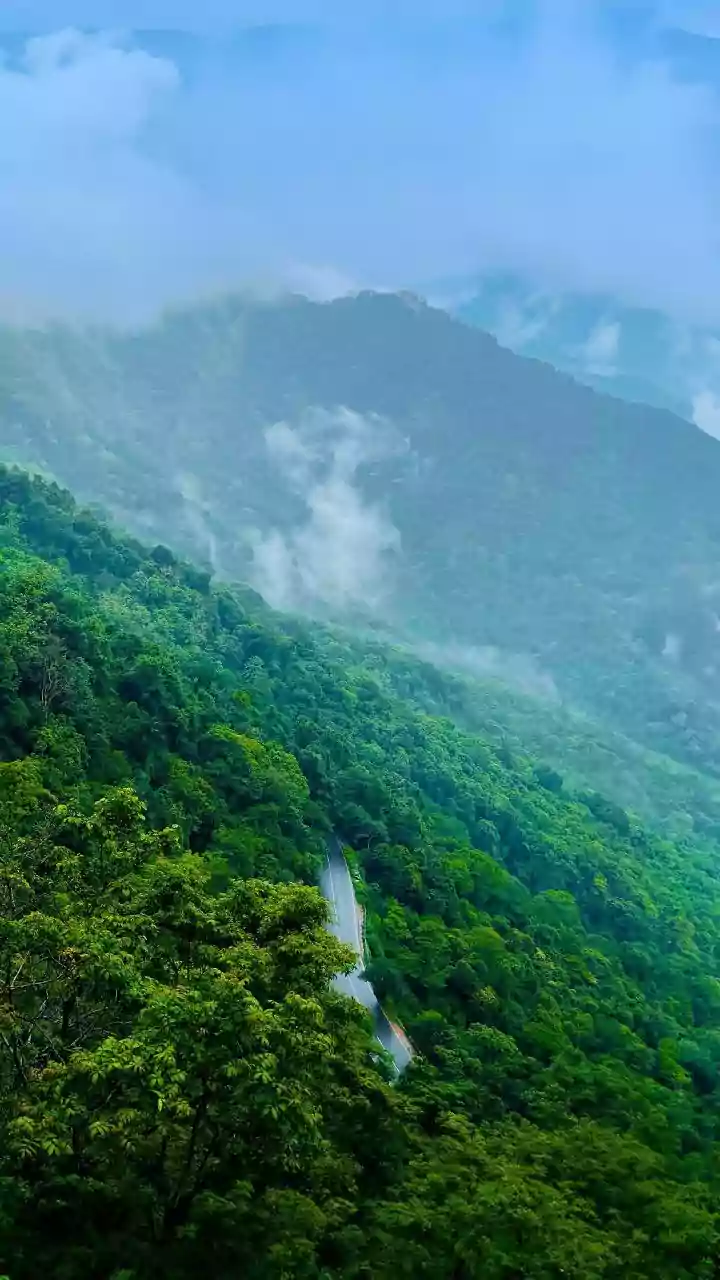
While you can practice mindfulness in any green space, the untouched forests of the Lower Himalayas offer a uniquely potent setting. Regions like Uttarakhand’s Kumaon division, with its dense oak, rhododendron, and deodar forests, or the pine-scented hills around Dharamshala in Himachal Pradesh, provide an unparalleled level of biodiversity and tranquillity. These forests are far removed from the noise and pollution of cities, offering clean air and a rich soundscape of birdsong and wind. They are accessible yet feel remote, providing a sense of genuine escape without requiring the extreme fitness levels needed for high-altitude expeditions. The gentle, undulating terrain is perfect for slow, contemplative walking, allowing for a deep, immersive experience that feels both ancient and profoundly new.
An Antidote to Digital Burnout
The rise of these treks is directly linked to our increasingly digital lives. We spend our days staring at screens, bombarded by notifications and conditioned for constant productivity. This digital fatigue has created a deep-seated craving for authenticity and disconnection. A mindful nature trek is a forced digital detox. With limited or no network connectivity, participants are nudged away from their devices and back into the physical world. Guides often incorporate simple mindfulness exercises—like focusing on the breath, walking meditations, or journaling—to help quiet the mental chatter. It’s an opportunity to recalibrate the nervous system and remember what it feels like to exist without the constant hum of technology, a rare luxury in today's world.
What a Guided Immersion Involves
A typical guided trek lasts anywhere from a few hours to several days. It begins not with a map and a compass, but with an invitation. A guide, often trained in mindfulness or eco-therapy, will set an intention for the group to move slowly and silently. The walk is punctuated by frequent stops where participants are encouraged to notice small details—the pattern of light filtering through the canopy, an insect making its way across a leaf, the sound of a distant stream. There might be invitations to engage physically, such as sitting with your back against a tree or mindfully sipping herbal tea made from local flora. The experience is designed to break the habit of rushing and to cultivate a sense of awe and wonder, fostering a relationship with nature that is personal and restorative.