


A Bite of Nostalgia
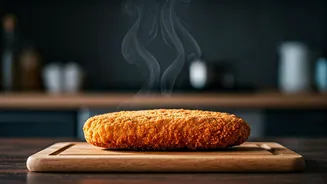
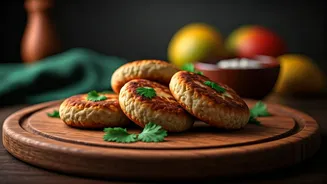
For generations of Indians, the cutlet is a taste of home. It’s the star of the birthday party snack plate, the reliable filler in a train journey tiffin, and the after-school treat that never failed to delight. Whether it's a simple potato and pea version
or a more elaborate mutton or fish cutlet, this crumb-fried patty holds a special place in the nation’s culinary heart. It represents a unique form of comfort—quick to make, endlessly versatile, and satisfying in a way that few other snacks can be. This deep-seated nostalgia is a powerful driver of its current revival, as people seek out familiar foods that offer a sense of warmth and security.
From Colonial Tables to Indian Kitchens
The cutlet's journey to Indian homes is a fascinating story of culinary adaptation. The term itself comes from the French ‘côtelette,’ meaning a small rib or slice of meat. During the British Raj, this Western concept was adapted to local conditions and palates. Given the difficulty of tenderising meat in the Indian climate without refrigeration, British households often preferred minced meat (keema). Indian cooks then took this idea, mixing the mince with mashed potatoes as a binder, shaping it into a patty, coating it in breadcrumbs, and frying it. This was a clever way to use leftovers and create a dish that was both presentable and delicious. The introduction of the potato to India, credited to Portuguese and Dutch traders, was the final piece of the puzzle, especially in Bengal, where the vegetable was embraced enthusiastically and paired with local spices.
The Anatomy of a Perfect Cutlet
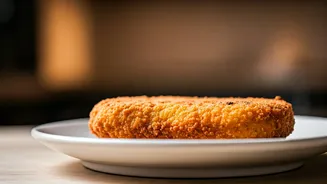
What makes a truly great cutlet? It’s a delicate balance of three key elements. First, the filling. While potatoes often form the base, the variations are endless. Classic vegetable cutlets feature a medley of finely chopped carrots, peas, and beans, seasoned with spices like cumin, coriander, and garam masala. Non-vegetarian versions use minced chicken, mutton, or fish, cooked with onions, ginger, and garlic. Second, the binding. Mashed potato is the traditional choice, but some recipes use breadcrumbs or even flattened rice (poha) to hold the mixture together. Finally, the all-important coating. A dip in a simple batter followed by a generous roll in breadcrumbs creates the signature crispy exterior that provides a perfect contrast to the soft, savory interior when fried to a perfect golden brown.
Why the Comeback Now?
While it never truly disappeared, the cutlet has seen a marked resurgence in popularity. Several factors are at play. In an increasingly complex world, there is a collective yearning for comfort food, and the cutlet is the culinary equivalent of a warm hug. It's a simple, unpretentious dish that evokes happy memories. The rise of social media food culture has also played a role, with home cooks and influencers sharing their own versions and reminding people of this forgotten favourite. Furthermore, there's a growing appreciation for home-cooked meals made from scratch, and the cutlet is an easy and rewarding dish to prepare at home. It’s a snack that is both a treat for kids and a nostalgic indulgence for adults, making it a perfect fit for family meals.
Modern Twists on a Timeless Classic
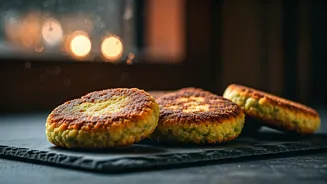
The returning cutlet is not just a carbon copy of its past self. It is being reimagined for the modern palate. Health-conscious cooks are experimenting with pan-frying, air-frying, or baking instead of deep-frying. The fillings are also getting a contemporary update, with ingredients like beetroot, sweet potato, paneer, spinach, and even quinoa making an appearance. These new versions offer enhanced nutritional value without sacrificing the core appeal of the dish. From paneer cutlets that offer a creamy texture to beetroot chops popular in West Bengal, the classic format proves to be an incredibly versatile canvas for culinary creativity. This ability to evolve is key to its enduring charm.